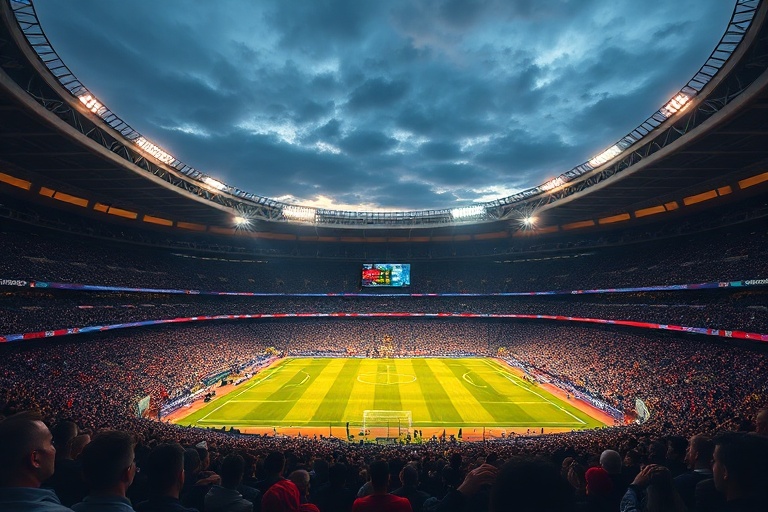
Stadiums have evolved from simple sports arenas into multifaceted entertainment hubs that shape urban landscapes and cultural experiences. No longer confined to hosting only sporting events, these colossal structures now serve as concert venues, conference centers, and even community gathering spaces. Their transformation reflects broader changes in how society consumes entertainment, values public space, and approaches architectural innovation.
The scale of modern stadiums is staggering. The largest stadium in the world, the Narendra Modi Stadium in Ahmedabad, India, accommodates over 132,000 spectators. Yet despite their massive size, the best stadiums balance grandeur with intimacy, ensuring every seat offers an experience worth the price of admission. This delicate equilibrium between spectacle and accessibility defines what makes a stadium truly exceptional.
The Evolution of Stadium Design
Stadium architecture has undergone a radical transformation over the past century. Early 20th-century stadiums like Yankee Stadium (1923) and the Los Angeles Memorial Coliseum (1923) prioritized functionality over aesthetics, with tiered seating and expansive field views taking precedence. These designs reflected the era’s focus on raw athletic competition rather than the holistic experience modern fans expect.
Contemporary stadiums embrace innovation at every level. The Mercedes-Benz Stadium in Atlanta, completed in 2017, features a retractable roof that splits into eight triangular petals, opening in just nine minutes. This engineering marvel not only accommodates Atlanta’s unpredictable weather but also creates a dynamic visual spectacle that enhances the venue’s identity. Similarly, the Tottenham Hotspur Stadium in London incorporates a fully retractable pitch that slides sideways to reveal a synthetic turf underneath, allowing for concerts and other events without damaging the natural grass surface.
Sustainability has become a cornerstone of modern stadium design. The 2022 FIFA World Cup venues in Qatar incorporated cutting-edge cooling technology to combat extreme temperatures, while the recently completed Banc of California Stadium in Los Angeles features a 44,000-square-foot rooftop park that reduces the urban heat island effect. These eco-conscious approaches demonstrate how stadiums can lead the way in sustainable urban development.
The Economic Impact of Stadiums
Stadiums are economic powerhouses that generate revenue through multiple channels. Ticket sales, concessions, and merchandise represent the most visible income streams, but savvy stadium operators increasingly monetize every aspect of the fan experience. Luxury suites, premium seating areas, and exclusive membership programs create lucrative opportunities for high-net-worth individuals and corporate clients.
The ripple effects extend far beyond game day. A well-planned stadium can catalyze urban renewal, attracting businesses, restaurants, and residential development to surrounding areas. The construction of SoFi Stadium in Inglewood, California—home to both the NFL’s Chargers and Rams—sparked a $5 billion investment in the surrounding community, transforming what was once an industrial zone into a vibrant entertainment district. This economic multiplier effect demonstrates how stadiums can serve as engines of regional growth.
However, the financial benefits don’t come without controversy. Public funding for stadium construction remains a contentious issue, with critics arguing that taxpayer dollars often subsidize private enterprises without guaranteeing adequate returns. A 2020 study by the Brookings Institution found that between 2000 and 2014, 36 professional sports stadiums were built in the U.S. with an average of $233 million in public subsidies per facility. The debate continues over whether these investments truly benefit local communities or primarily line the pockets of team owners and developers.
Controversies Surrounding Stadium Funding
- Public vs. Private Benefits: Stadiums often receive substantial public funding despite being owned by wealthy individuals or corporations, raising questions about equity and resource allocation.
- Long-Term Economic Promises: Projections of economic growth frequently overestimate benefits while underestimating maintenance costs and opportunity costs for other public services.
- Gentrification Concerns: Stadium construction can accelerate housing price inflation and displacement in nearby neighborhoods, particularly in cities with tight housing markets.
- Voter Disapproval: Many stadium funding deals have passed despite public opposition, often through complex financing arrangements that obscure true costs from voters.
Stadiums as Cultural Landmarks
Beyond their economic and architectural significance, stadiums hold deep cultural meaning for communities around the world. They serve as gathering places where collective memories are forged, from the “Miracle on Ice” at Lake Placid in 1980 to Liverpool FC’s Champions League triumph in 2005. These venues become repositories of shared history, where the boundaries between sport, art, and community blur.
Music has become an increasingly important function of modern stadiums. The ability to host massive concerts alongside sporting events has transformed these venues into year-round entertainment destinations. Wembley Stadium in London, with its iconic arch and 90,000 capacity, has hosted legendary performances by artists like Ed Sheeran, Taylor Swift, and Adele. The acoustic challenges of such large spaces have led to innovations like the Tottenham Hotspur Stadium’s intimate concert configuration, which can seat up to 65,000 while maintaining excellent sound quality.
Stadiums also play a crucial role in social movements. Wembley Stadium was the site of Nelson Mandela’s first public speech after his release from prison in 1990, while SoFi Stadium hosted the 2020 presidential debates amid heightened political tensions. These venues provide platforms for voices that extend far beyond sports, reinforcing their importance as civic spaces.
The Future of Stadiums
The next generation of stadiums will push boundaries in technology, sustainability, and fan engagement. Virtual reality and augmented reality are already being integrated into the stadium experience, with apps that provide real-time player statistics, interactive seat upgrades, and even virtual meet-and-greets with athletes. The Allianz Arena in Munich has experimented with AR navigation systems that help fans find their seats more efficiently.
Artificial intelligence is transforming stadium operations behind the scenes. Machine learning algorithms analyze crowd behavior patterns to optimize concession stand placement, restroom cleaning schedules, and even security personnel deployment. The Mercedes-Benz Stadium uses AI-powered systems to predict maintenance needs, reducing downtime and extending the lifespan of critical infrastructure.
Sustainability will remain a defining feature of future stadiums. The proposed new stadium for Inter Miami CF in Miami, Florida, aims to be the first net-zero carbon stadium in MLS, incorporating solar panels, rainwater harvesting systems, and a biodome that supports local wildlife. These innovations reflect a growing recognition that stadiums must operate in harmony with their environments rather than at their expense.
Perhaps most importantly, stadiums will continue to adapt to changing fan expectations. The COVID-19 pandemic accelerated trends that were already underway, from cashless transactions to personalized digital experiences. The future stadium will be a hybrid space that seamlessly blends physical and digital realities, creating experiences that are both immersive and inclusive.
Key Trends Shaping the Stadiums of Tomorrow
- Smart Stadium Technology: Integration of IoT sensors, facial recognition, and real-time data analytics to enhance security, operations, and fan experiences.
- Modular Design: Stadiums that can reconfigure their layouts for different events, from soccer matches to concerts to esports tournaments.
- Community Integration: Venues designed with year-round public access, featuring parks, retail spaces, and cultural programming that serve local neighborhoods.
- Health and Wellness: Incorporation of wellness centers, mental health resources, and fitness facilities that extend the stadium’s role beyond entertainment.
As stadiums continue to evolve, they will remain at the heart of our collective experiences. These monumental structures represent more than just bricks and mortar—they embody the aspirations of the communities they serve, the technological capabilities of their eras, and the enduring human desire to gather, celebrate, and be part of something larger than ourselves. Whether through the roar of a championship game, the hush of a moment of silence, or the collective joy of a shared concert experience, stadiums will continue to write the story of human connection for generations to come.
Explore more sports coverage on Dave’s Locker, or check out our in-depth analysis section for deeper insights into stadium economics and design.