Süper Lig: Turkey’s Premier Football League Rises to Global Prominence
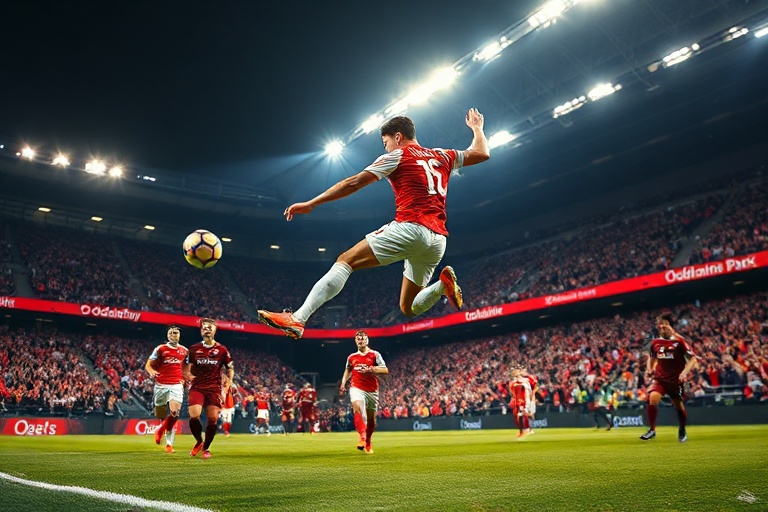
The Süper Lig stands as Turkey’s top professional football division, a league that has steadily evolved from a regional competition into a significant player on the international stage. While European giants like the Premier League and La Liga often dominate global football discussions, the Süper Lig has carved out its own identity, blending tactical depth with raw passion. Home to historic clubs such as Galatasaray, Fenerbahçe, and Beşiktaş, the league offers a unique blend of tradition, intense rivalries, and emerging talent.
In recent years, the Süper Lig has experienced a resurgence in both sporting and commercial terms. Clubs have invested in infrastructure, youth academies, and experienced coaching staff, while broadcast deals have expanded the league’s visibility beyond Turkey’s borders. This transformation reflects broader trends in global football, where leagues outside the traditional powerhouses are seeking to assert their influence.
The Clubs: Legacy, Rivalries, and Modern Aspirations
The Süper Lig’s identity is deeply tied to its clubs, each with its own storied history and passionate fanbase. Galatasaray, founded in 1905, holds the distinction of being Turkey’s oldest football club and has won the most Süper Lig titles. The club’s rivalry with Fenerbahçe, known as the “Intercontinental Derby,” is one of the most intense in world football, drawing massive crowds and global attention.
Beşiktaş, another founding member of the Süper Lig, has also played a pivotal role in shaping the league’s narrative. With a loyal following and a history of producing homegrown talent, Beşiktaş has remained a consistent force. Meanwhile, Trabzonspor has emerged as a dominant force in recent years, breaking the traditional “Big Three” (Galatasaray, Fenerbahçe, Beşiktaş) hegemony by securing multiple league titles.
The league’s competitiveness has improved significantly, with clubs like Başakşehir and Sivasspor challenging the traditional powerhouses. This shift has not only made the league more unpredictable but has also raised the quality of football on display. Clubs are increasingly focusing on sustainable growth, investing in academies and scouting networks to develop future stars.
- Galatasaray: 23 league titles, known for its European pedigree and iconic yellow-red colors.
- Fenerbahçe: 19 league titles, boasts one of the largest fanbases in the world.
- Beşiktaş: 16 league titles, famous for its passionate supporters and historic stadium.
- Trabzonspor: 7 league titles, a symbol of regional pride and recent dominance.
On-Field Dynamics: Tactical Evolution and Player Development
The Süper Lig has undergone a tactical revolution in recent years, moving away from the physical, direct style that once defined Turkish football. Modern coaches, many of whom have trained in Europe, have introduced pressing systems, positional play, and high-pressing tactics. This evolution has not only improved the league’s technical quality but has also made it a more attractive destination for foreign players and coaches.
Turkish clubs have also prioritized youth development, with academies like Galatasaray’s “Galatasaray U-19” and Fenerbahçe’s “Can Bartu Academy” producing top-tier talent. The league’s emphasis on homegrown players has helped maintain a strong national team, with the Turkish national side featuring several Süper Lig graduates in recent years.
Foreign influence, however, remains a key component of the Süper Lig’s appeal. Stars like Dzeko, Falcao, and Alexis Sánchez have graced the league, bringing global attention and raising the standard of play. These high-profile signings have not only elevated the league’s profile but have also provided local players with opportunities to learn from world-class talent.
Off-Field Growth: Commercial Expansion and Global Visibility
The Süper Lig’s commercial growth has been one of its most significant developments. Broadcast deals, particularly with international networks, have expanded the league’s reach, making matches accessible to audiences in Asia, the Middle East, and Europe. The league’s partnership with sports media giants has not only increased revenue but has also attracted sponsorship deals and investment.
Clubs have also embraced digital platforms, leveraging social media to engage with fans worldwide. Galatasaray, for example, has over 30 million followers across its social media channels, while Fenerbahçe’s digital content strategy has helped globalize its brand. This shift has transformed the Süper Lig into a 24/7 global entity, engaging fans beyond traditional matchdays.
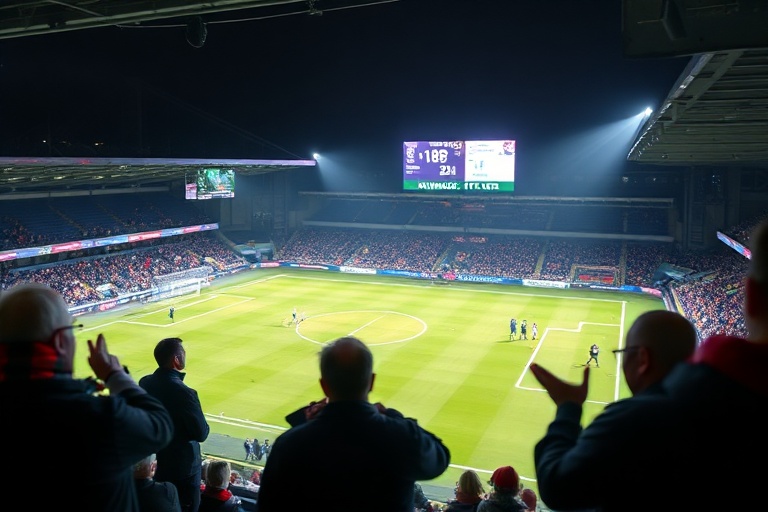
The league’s commercial success is further evidenced by its stadium attendance figures. Matches regularly draw crowds of over 30,000, with derbies often selling out weeks in advance. The electrifying atmosphere in stadiums like Fenerbahçe’s Şükrü Saracoğlu and Galatasaray’s Nef Stadium underscores the league’s unique cultural significance.
The Future: Challenges and Opportunities
The Süper Lig’s future is bright but not without challenges. Financial sustainability remains a concern for many clubs, particularly those without the resources of Europe’s elite leagues. The COVID-19 pandemic exposed vulnerabilities in revenue streams, forcing clubs to rethink their business models and reduce reliance on matchday income.
Another challenge is maintaining the league’s competitive balance. While recent years have seen more clubs competing for titles, the financial disparity between the traditional powerhouses and mid-table teams persists. Clubs like Adana Demirspor and Konyaspor have shown promise but struggle to compete with the financial muscle of Istanbul-based giants.
Despite these challenges, the Süper Lig is well-positioned for continued growth. The league’s appeal to young talent, combined with its rich cultural heritage, makes it an attractive destination for footballers and coaches alike. As global football becomes increasingly competitive, the Süper Lig’s ability to nurture talent and innovate tactically will be key to its long-term success.
For fans of the game, the Süper Lig offers a compelling blend of drama, skill, and tradition. Whether it’s the passion of a derby, the emergence of a young star, or the tactical battles between top coaches, the league continues to captivate audiences both in Turkey and abroad. As it evolves, the Süper Lig is not just a league—it’s a cultural phenomenon that reflects the spirit of Turkish football.
To stay updated on the latest Süper Lig news and analysis, visit our Sports and International categories.