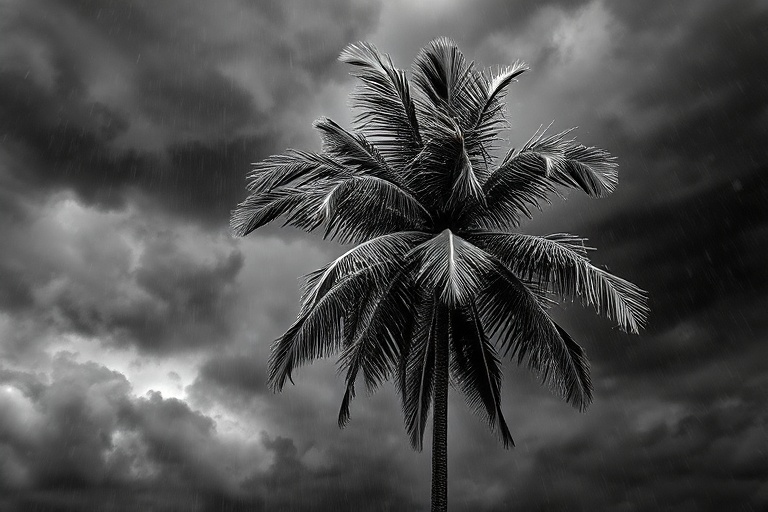
Tormenta: The Storm That Shapes Culture and History
Tormenta: The Storm That Shapes Cultures and Histories
From the Spanish word for “storm,” tormenta carries more weight than its meteorological definition suggests. It is a term that resonates across languages and cultures, symbolizing disruption, transformation, and renewal. Whether in literature, music, or everyday conversation, tormenta represents forces beyond human control—natural, emotional, or societal—that leave indelible marks on the world.
This duality of destruction and rebirth is what makes tormenta a recurring motif in global narratives. In Latin American folklore, storms often embody divine wrath or cosmic balance. In European traditions, they may signify impending doom or cleansing. The word itself, with its sharp consonants and rolling vowels, evokes both chaos and catharsis. To understand tormenta is to explore how humanity interprets the uncontrollable forces that shape its destiny.
The Linguistic Roots of Tormenta
The term tormenta traces its origins to Latin, where tormentum referred to a twisting or wringing instrument—apt imagery for the twisting winds of a storm. By the Middle Ages, the word had evolved in Romance languages to describe violent weather, retaining its connotations of suffering and turmoil. In Spanish, Portuguese, and Italian, tormenta is not just a weather event; it is a metaphor for life’s tempests.
Linguists note that the word’s phonetic structure mirrors its meaning. The hard “t” and rolling “r” create a sense of abruptness, while the open vowels (“o,” “e,” “a”) suggest openness—perhaps the aftermath of a storm’s fury. This linguistic duality reflects how cultures personify storms: as both enemies to be feared and phenomena to be revered.
Tormenta in Global Folklore and Mythology
Across continents, storms occupy a sacred space in oral traditions. In Norse mythology, Thor’s hammer, Mjölnir, summoned thunderstorms to punish wrongdoers, reinforcing the idea of storms as moral arbiters. Meanwhile, in West African traditions, storms were often linked to ancestral spirits, their rumbling voices carrying messages from the beyond. The Yoruba deity Shango, associated with lightning and justice, embodies this connection between tempest and divine retribution.
In the Americas, Indigenous narratives frequently portray storms as transformative agents. The Maya believed that Huracán, the god of storms, could both destroy and regenerate the earth. Similarly, in Native American traditions, thunderbirds—mythical creatures that control storms—were seen as protectors whose wrath ensured ecological balance. These stories reveal a universal truth: storms are not merely destructive; they are essential to the cycle of life.
Tormenta in Music and Literature: A Creative Force
The arts have long used tormenta as a symbol of turmoil, both external and internal. In Latin music, genres like ranchera and tango often feature lyrics about storms as metaphors for heartbreak or social upheaval. For example, the Mexican folk song “La Tormenta” tells the story of a lover’s betrayal, using the imagery of a storm to mirror emotional devastation.
Literature, too, embraces the storm as a narrative device. Shakespeare’s King Lear famously opens with the line, “Blow, winds, and crack your cheeks!”—a plea for nature to reflect the chaos of human folly. In Gabriel García Márquez’s One Hundred Years of Solitude, storms are recurring motifs that signal impending doom or magical realism’s surreal twists. These works demonstrate how storms transcend their physical reality to become symbols of human struggle.
Modern Interpretations: Climate Change and the New Tormenta
Today, the concept of tormenta has taken on urgent new meanings in the context of climate change. As extreme weather events become more frequent, the word has become shorthand for humanity’s confrontation with its own destructive tendencies. Hurricanes, wildfires, and floods—once seen as acts of God—are now scrutinized as consequences of environmental neglect.
This shift is reflected in global discourse. In 2023, the United Nations designated a “Decade of Ocean Science for Sustainable Development,” emphasizing the need to understand and mitigate the storms fueled by rising temperatures. Similarly, artists and activists are reimagining tormenta as a call to action. The 2022 documentary Fire in Paradise, which examines the devastating Camp Fire in California, uses storm imagery to highlight the intersection of natural disaster and climate policy.
The following list outlines key modern interpretations of tormenta:
- Environmental: Storms as indicators of ecological imbalance, demanding urgent policy responses.
- Cultural: The resurgence of storm motifs in art and music as metaphors for societal crises.
- Scientific: Meteorological advances in predicting and understanding extreme weather patterns.
- Philosophical: The existential questions storms raise about humanity’s relationship with nature.
Tormenta as a Metaphor for Human Emotion
Beyond its literal and environmental implications, tormenta serves as a powerful metaphor for the human psyche. In psychology, the term “emotional storm” describes intense feelings of anger, grief, or anxiety that overwhelm an individual. This metaphor underscores the uncontrollable nature of such emotions, much like a real storm.
Therapists often use storm imagery in cognitive-behavioral therapy to help patients visualize and manage their emotions. For example, a person experiencing anxiety might be guided to imagine themselves “riding out” a storm, recognizing that the turbulence will eventually pass. This approach highlights the therapeutic potential of reframing internal chaos as a natural, albeit temporary, phenomenon.
The Future of Tormenta: Between Fear and Reverence
As the world grapples with climate change, the concept of tormenta will likely evolve further. On one hand, storms may become increasingly feared as existential threats. On the other, they could reclaim their mythological status as forces of renewal, capable of reshaping ecosystems and societies in ways that foster resilience.
This duality is already evident in how communities respond to disasters. After Hurricane Maria devastated Puerto Rico in 2017, the island’s residents described the storm as both a destroyer and a catalyst for rebuilding. Similarly, in Australia, the phrase “fire and storm season” reflects a cultural acceptance of nature’s volatility as an inescapable part of life.
Ultimately, tormenta is more than a word—it is a lens through which humanity views its relationship with the natural world. Whether as a metaphor for emotional turmoil, a symbol of divine wrath, or a harbinger of climate change, storms remind us of our vulnerability and our capacity for adaptation. In embracing both the fear and reverence they inspire, we may find a path forward that honors the storm’s dual nature: destructive, yet essential to renewal.