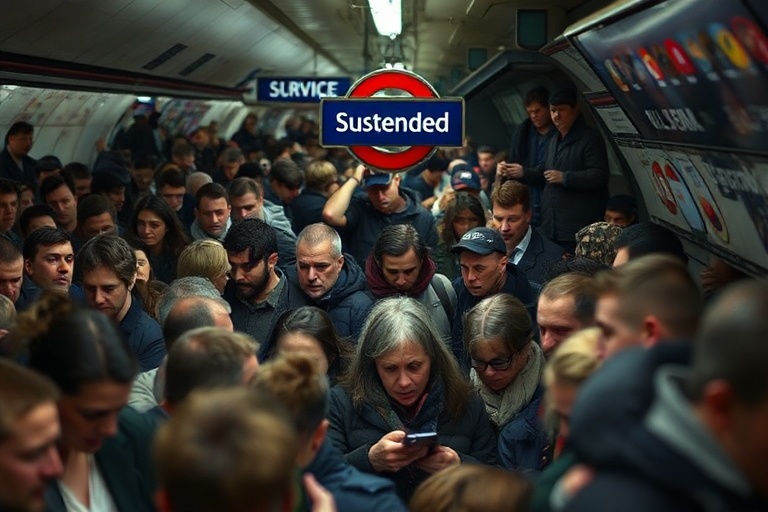
Tube Strikes Explained: Causes, Impact, and How to Cope
London’s Underground system is a vital artery for the city, carrying millions of passengers daily. When strikes disrupt this network, the consequences ripple through every aspect of urban life. These walkouts, often driven by disputes over pay, working conditions, or pensions, create immediate challenges for commuters, businesses, and the economy. Understanding the root causes, historical patterns, and practical solutions can help Londoners navigate these disruptions more effectively.
The Core Causes Behind Tube Strikes
Tube strikes rarely occur without warning. Most stem from disputes between Transport for London (TfL) and trade unions representing Underground staff. The most common triggers include:
- Pay disputes: Workers may demand wage increases to match inflation or industry standards, while employers push for cost controls to balance budgets.
- Pension concerns: Changes to pension schemes, such as reduced benefits or increased contributions, often spark union resistance.
- Working conditions: Issues like staffing levels, shift patterns, or safety protocols can lead to industrial action.
- Job security: Fears of automation or redundancies fuel demands for stronger protections.
Recent strikes have highlighted the tension between TfL’s financial constraints and workers’ expectations. For example, in 2023, a series of strikes over pay disputes left commuters facing severe delays. The unions argued that wages had stagnated despite rising living costs, while TfL cited budget shortfalls due to reduced ridership post-pandemic. This clash of priorities underscores the complexity of resolving such disputes.
How Strikes Disrupt London’s Daily Life
The impact of a Tube strike extends far beyond delayed journeys. Commuters often face overcrowded buses, longer travel times, and increased stress as they reroute their daily routines. Businesses, particularly those in central London, report lost productivity when employees arrive late or struggle to reach work. Small retailers and hospitality venues also suffer as foot traffic dwindles on strike days.
The economic cost is substantial. A 2022 report estimated that a single day of Tube strikes could cost London’s economy up to £100 million. This figure accounts for lost wages, reduced business revenue, and the ripple effects on supply chains. For sectors like finance and tech, where punctuality is critical, even minor disruptions can have outsized consequences.
Public transport alternatives, such as buses and bike-sharing schemes, often become overwhelmed during strikes. The resulting congestion clogs roads and slows emergency services, creating additional hazards. While TfL typically increases bus frequencies during strikes, the sheer volume of displaced commuters can overwhelm even the most robust contingency plans.
A Look Back at Recent Strike Waves
Tube strikes are not a new phenomenon, but their frequency and intensity have varied over the years. The most recent wave of industrial action began in earnest in 2022, when unions like the RMT (National Union of Rail, Maritime and Transport Workers) and ASLEF (Associated Society of Locomotive Engineers and Firemen) escalated their campaigns. These strikes were characterized by their duration and breadth, affecting multiple lines and services simultaneously.
In 2023, a series of 10-day strikes in the summer and autumn brought the Underground to a near standstill on several occasions. The strikes targeted key lines, including the Central, Jubilee, and Piccadilly, which serve some of London’s busiest hubs. Commuters reported waits of up to an hour for replacement buses, with some opting to work from home or adjust their schedules entirely.
Historically, the most disruptive strikes occurred in the 1980s and 1990s, when industrial action was more frequent and prolonged. The 1989 strike, for instance, lasted 11 days and paralyzed the city. While today’s strikes are typically shorter, their cumulative effect remains significant. The 2018 strikes over ticket office closures saw over 100 walkouts in just three months, demonstrating how quickly disputes can escalate.
Navigating Strikes: Practical Advice for Commuters
For Londoners, preparation is key to minimizing the impact of a Tube strike. Here are some strategies to consider:
- Plan ahead: Use journey planning tools like Citymapper or TfL’s Live Travel Updates to explore alternative routes. Check strike dates in advance, as they are often announced weeks or even months ahead.
- Adjust your schedule: If possible, shift your working hours to avoid peak strike times. Flexible or remote work arrangements can help mitigate delays.
- Explore alternatives: Walking or cycling may be viable options for shorter distances. Santander Cycles (formerly Boris Bikes) offers a cost-effective way to cover ground, though demand soars during strikes.
- Stay informed: Sign up for TfL’s email alerts or follow their social media channels for real-time updates. Apps like Citymapper also provide strike-specific notifications.
- Consider carpooling: Services like BlaBlaCar or local carpooling groups can help share the burden of travel costs and reduce congestion.
For those who must travel during a strike, patience and adaptability are essential. Buses and trams will be busier, and roads will be more congested. Allow extra time for your journey and consider carrying water and snacks, as delays can extend travel times unpredictably.
Employers can also play a role in easing the strain. Encouraging remote work on strike days or offering flexible start times can reduce the pressure on public transport systems. Some companies have even partnered with TfL to provide discounted travel vouchers for employees, a move that helps both staff and the broader network.
The Future of Tube Strikes: Can This Cycle Be Broken?
The recurring nature of Tube strikes suggests that systemic issues lie at the heart of these disputes. While short-term solutions, such as temporary pay deals or service adjustments, may provide temporary relief, long-term resolution requires addressing the underlying tensions. This includes sustainable funding for TfL, fair wage agreements, and transparent negotiations between unions and management.
Some experts advocate for greater investment in London’s transport infrastructure to reduce reliance on strike-prone services. Expanding the Overground network or increasing the frequency of buses could provide commuters with more options during industrial action. However, such projects require significant funding and political will, which are not always forthcoming.
Another potential solution is reforming the strike ballot process. Current regulations allow unions to call strikes with relatively low thresholds of support, which can lead to frequent and disruptive action. Tightening these rules might reduce the number of strikes, though critics argue it could weaken workers’ bargaining power.
Ultimately, the future of Tube strikes depends on the willingness of all parties to engage in meaningful dialogue. Unions must balance their members’ demands with the realities of TfL’s financial constraints, while employers must recognize the human cost of prolonged disputes. Only through compromise can London avoid the recurring chaos that strikes bring to its daily life.
Related Coverage
For more insights into London’s transport challenges, explore our coverage of News and Analysis.