we bury the dead
We Bury the Dead: Rituals That Shape Humanity
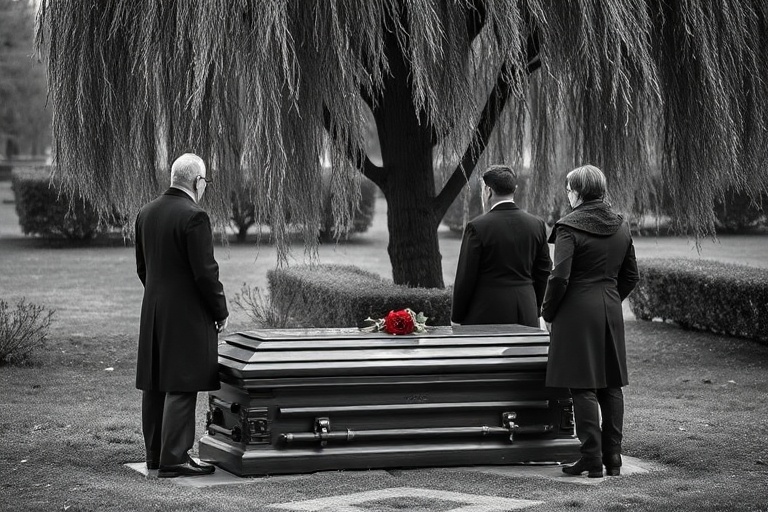
The act of burying the dead is one of humanity’s oldest and most universal practices. From the frozen tundras of Siberia to the arid deserts of Egypt, cultures across time and geography have developed intricate rituals to honor the deceased. These customs do more than dispose of remains—they reinforce social bonds, transmit values, and offer a framework for grief.
Anthropologists trace the earliest intentional burials to Neanderthals over 100,000 years ago. These early graves, often containing tools or flowers, suggest a recognition of the dead as more than mere corpses. Today, burial practices vary dramatically, reflecting religious beliefs, environmental constraints, and cultural identity. Yet, despite these differences, the core impulse remains the same: to acknowledge death as a transition rather than an end.
The Sacred and the Secular: How Different Cultures Honor the Departed
In Hinduism, cremation dominates, with the belief that fire liberates the soul for its next incarnation. The Antyesti (last rites) are performed with meticulous precision, from the washing of the body to the lighting of the pyre. Ashes are often scattered in the Ganges, a river considered sacred. This process isn’t just about disposal; it’s a spiritual journey, one that prepares both the living and the dead for what comes next.
Contrast that with the Jewish tradition of kever Israel, where burial in the ground is non-negotiable. Jewish law mandates swift interment, ideally within 24 hours, in a simple wooden coffin to symbolize equality in death. The body is never left alone until burial, a practice known as 守灵 (shou ling) in Chinese culture, where family members keep vigil to ensure the deceased’s spirit isn’t abandoned.
In some cultures, the dead are never truly gone. The Māori of New Zealand practice tangihanga, where the deceased’s body is displayed for days of mourning, allowing the community to pay respects. The body is then interred, but the spirit remains connected to the living through oral histories and ancestral landmarks. This continuity between past and present is a cornerstone of Māori identity.
The Environmental Dilemma: Modern Burial vs. Sustainability
Traditional burial methods face growing scrutiny in an era of climate awareness. Conventional cemeteries consume vast amounts of land and embalming fluids, like formaldehyde, leach into the soil. In the United States alone, cemeteries occupy over 1 million acres of land—a figure expected to double by 2050. The environmental toll has spurred innovation, with alternatives like green burials gaining traction.
Green burials eschew embalming, use biodegradable caskets, and avoid concrete vaults. Instead, bodies are interred in shrouds or simple wooden boxes, allowing decomposition to nourish the earth. Countries like Sweden and the UK have embraced this model, with dedicated natural burial grounds. Even in Japan, where space is scarce, companies now offer tree burials, where ashes are interred at the base of trees, turning memorials into living ecosystems.
Yet resistance persists. Religious and cultural traditions often prioritize existing practices over ecological concerns. For instance, the Catholic Church has historically opposed cremation, though it now allows it under certain conditions. The debate isn’t just about sustainability—it’s about reconciling tradition with progress.
The Business of Death: How Funerals Became an Industry
Funerals are a multi-billion-dollar industry, with the U.S. market alone valued at over $20 billion annually. The modern funeral home emerged in the 19th century, as industrialization and urbanization disrupted traditional burial practices. Embalming, popularized during the Civil War to preserve soldiers’ bodies for transport, became a staple of American funerals. Today, the industry is dominated by conglomerates like Service Corporation International, which owns over 2,000 funeral homes worldwide.
Critics argue that the commercialization of death strips away its sacredness. Caskets priced at $10,000, elaborate floral arrangements, and costly memorial services prioritize profit over purpose. In response, a movement toward death positivity has emerged, advocating for simpler, more personalized farewells. DIY funerals, where families handle burial or cremation themselves, are on the rise in countries like Australia and New Zealand.
Digital memorials are another growing trend. Platforms like AfterVite allow users to create online tributes, share memories, and even livestream funerals. These tools democratize remembrance, making it accessible to those separated by distance. Yet, they also raise questions about authenticity—can a digital space truly capture the weight of loss?
What We Bury, We Carry: The Legacy of Memorialization
Burial practices aren’t just about the dead; they’re about the living. Monuments, like the Taj Mahal or the Pyramids of Giza, stand as testaments to love and power. Smaller gestures—family plots, roadside shrines, or even tattoos commemorating the deceased—reveal how deeply grief shapes identity.
In Mexico, Día de los Muertos transforms cemeteries into vibrant celebrations. Families clean graves, decorate them with marigolds, and share meals with the dead. This isn’t morbid; it’s a defiant embrace of mortality. Similarly, in Bali, the Ngaben ceremony sends the deceased on a spiritual journey via cremation, ensuring their soul doesn’t linger as a lost spirit.
Yet, not all cultures bury their dead in the traditional sense. In Tibetan Buddhism, sky burials expose bodies to vultures, a practice rooted in the belief that the earth is too sacred to be violated by burial. The ritual highlights the impermanence of life and the interdependence of all beings. It’s a stark contrast to Western norms, yet equally profound in its symbolism.
The act of burying the dead is a mirror held up to society. It reflects our fears, our faith, and our need for meaning. Whether through fire, earth, or the open sky, humanity has always found ways to say, “You mattered.” And in doing so, we give ourselves permission to grieve, to remember, and to carry the past into the future.
As cultures evolve and environmental crises deepen, the rituals of death will continue to adapt. But one truth remains constant: the way we bury our dead reveals who we are—and who we aspire to be.