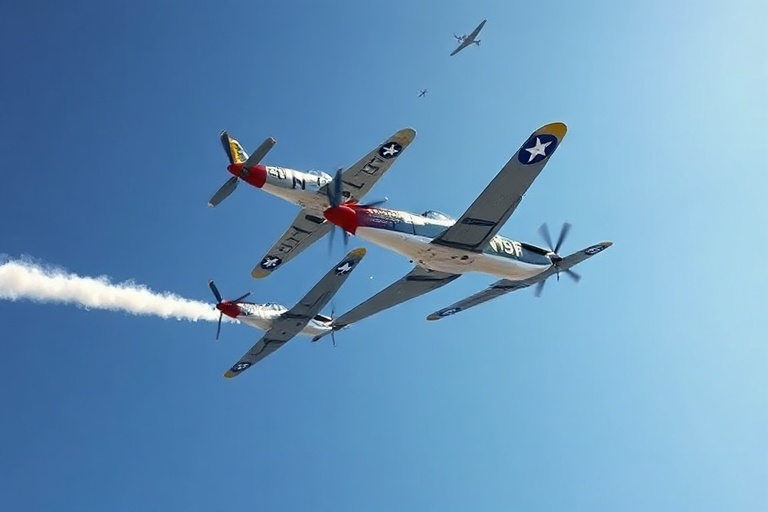
air show
The roar of jet engines shakes the ground as sleek aircraft streak across the sky, leaving trails of smoke in their wake. Air shows transform the ordinary into the extraordinary, blending raw power with artistic precision. These events aren’t just about entertainment—they’re a celebration of human ingenuity, aeronautical skill, and the relentless pursuit of excellence in aviation.
The Evolution of Air Shows: From Military Displays to Global Spectacles
Air shows trace their origins to early 20th-century military exhibitions, where pilots demonstrated aircraft capabilities to potential buyers and the public. The first official air show, the Paris Air Show of 1909, marked a turning point. It wasn’t just about selling planes—it was about inspiring awe in what aircraft could achieve.
By the mid-20th century, air shows had evolved into full-fledged spectacles. The advent of jet engines and aerobatic teams like the Red Arrows turned these events into must-see performances. Today, air shows like Oshkosh’s EAA AirVenture and Farnborough International Airshow draw hundreds of thousands of spectators, blending military might with civilian innovation.
What began as a niche interest has grown into a global phenomenon. Air shows now serve multiple purposes: they showcase cutting-edge aviation technology, honor military service, and foster community engagement. The transition from military-only displays to family-friendly events reflects broader changes in how society views flight—no longer just a tool of war, but a symbol of progress and freedom.
What Makes an Air Show? The Anatomy of a Spectacular Event
Air shows are meticulously planned, often spanning several days. They feature a mix of static displays and dynamic performances, each designed to highlight different aspects of aviation. Here’s what typically unfolds:
- Aerobatic Teams: Groups like the U.S. Navy’s Blue Angels or the French Patrouille de France perform precision maneuvers that push the limits of what aircraft can do. These routines require split-second timing and flawless execution.
- Military Demonstrations: Fighter jets such as the F-35 Lightning II or the Eurofighter Typhoon showcase their agility, firepower, and advanced avionics. These displays often include high-speed passes, steep climbs, and simulated combat scenarios.
- Civilian Aircraft: From vintage warbirds to futuristic electric planes, civilian aircraft highlight innovation. Companies like Boeing and Airbus often debut new models or technologies at these events.
- Interactive Experiences: Many air shows now offer simulators, drone races, and meet-and-greets with pilots. These elements engage younger audiences and demystify aviation.
- Static Displays: Ground exhibitions allow attendees to get up close to aircraft, often climbing into cockpits or exploring maintenance hangars. These displays educate visitors about the mechanics and history behind the machines.
The logistics behind an air show are staggering. Organizers must coordinate with pilots, secure airspace permissions, manage crowd control, and ensure safety protocols are in place. Weather also plays a critical role—wind, rain, or low visibility can ground entire performances. Yet, when everything aligns, the result is a breathtaking fusion of sound, speed, and spectacle.
The Broader Impact: Education, Economy, and Inspiration
Air shows are more than just entertainment; they serve as powerful educational tools. For many attendees, particularly children, these events spark an interest in STEM fields. The hands-on exhibits, flight simulators, and interactions with engineers and pilots make abstract concepts tangible. Organizations like the Experimental Aircraft Association use air shows to promote aviation education, offering scholarships and training programs.
Economically, air shows are major drivers for local and regional economies. The Farnborough Airshow, for example, generates hundreds of millions in contracts and tourism revenue. Cities hosting these events see spikes in hotel bookings, restaurant patronage, and retail sales. In 2018, the Paris Air Show alone attracted over 3,000 exhibitors from 48 countries, underscoring its role as a global marketplace for aerospace innovation.
Culturally, air shows foster a sense of community. They bring together aviation enthusiasts, families, and curious onlookers, creating shared experiences. The sight of a vintage B-17 Flying Fortress flying in formation with a modern F-22 Raptor bridges generations, reminding audiences of aviation’s rich history and its relentless march forward. These events also serve as platforms for advocacy, raising awareness about issues like pilot shortages, airport infrastructure, and environmental sustainability in aviation.
The Future of Air Shows: Innovation and Challenges
As aviation technology advances, so too do air shows. The rise of electric and hybrid aircraft is beginning to appear on the circuit, with companies like Heart Aerospace and Airbus showcasing their sustainable designs. Drones, once a novelty, are now integral to performances, with swarms lighting up the night sky in choreographed displays.
However, challenges loom. Climate change has prompted scrutiny over the carbon footprint of air shows, particularly those featuring fuel-guzzling jets. Organizers are responding with greener initiatives, such as offsetting emissions, promoting alternative fuels, and highlighting electric aircraft. The tension between tradition and innovation will define the next era of air shows.
Another challenge is accessibility. High ticket prices and remote locations can exclude some audiences. To combat this, many shows now offer virtual attendance options, live streams, and community outreach programs. The goal is to ensure these events remain inclusive while preserving their core appeal.
Looking ahead, air shows will likely continue evolving into hybrid experiences—part entertainment, part technology showcase, part educational forum. The enduring appeal lies in their ability to inspire wonder, a quality that transcends generations. Whether it’s the thunderous roar of a jet breaking the sound barrier or the graceful arc of a biplane’s wing, air shows remind us that flight is one of humanity’s greatest achievements.
For those who’ve never attended, the experience is difficult to describe. It’s visceral, emotional, and unforgettable—a reminder that the sky is not the limit, but merely the beginning.
Explore more about aviation and entertainment on Dave’s Locker. For insights into military history and technology, visit our News section.