Atlético-PR vs Flamengo: Brazil’s Football Philosophy Clash
The matchup between Atlético Paranaense (Atlético-PR) and Flamengo isn’t just another game in Brazil’s Campeonato Brasileiro. It represents a collision of two distinct football philosophies that have shaped the country’s sporting identity. One club embodies the grit of Southern Brazil, while the other carries the weight of Rio de Janeiro’s glamour and global ambitions. This rivalry transcends regional pride, offering a window into Brazil’s complex football culture.
The Origins and Identities of Two Giants
Atlético-PR, founded in 1924, hails from Curitiba, the capital of Paraná state in Southern Brazil. Known for its disciplined, defensive football, the club has historically relied on tactical organization and physicality. The team’s nickname, O Furacão (The Hurricane), suggests a different identity—one built on relentless pressing and counterattacks. This duality reflects the club’s evolution from a regional underdog to a consistent force in Brazilian football.
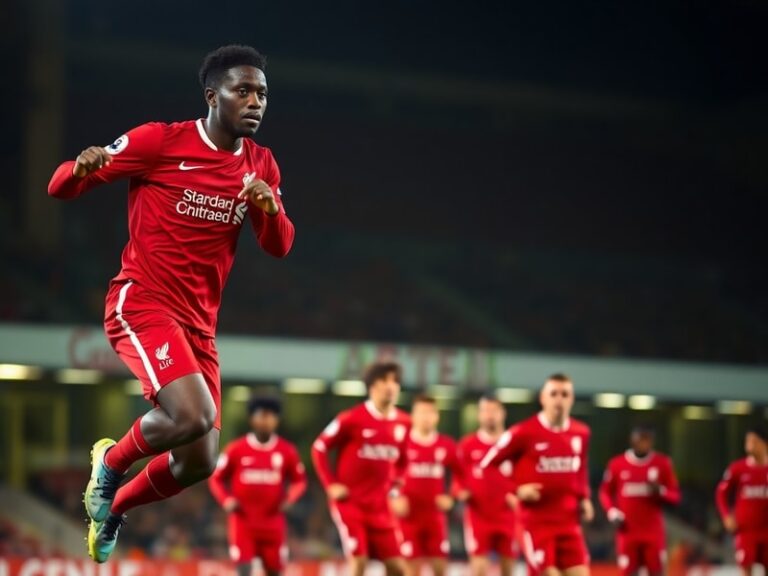
Flamengo, by contrast, was established in 1911 in Rio de Janeiro and has grown into one of South America’s most recognizable institutions. With a global fanbase and a history of attacking flair, Flamengo blends technical skill with star power. The club’s identity is tied to its ability to produce and showcase elite talent, from Zico in the 1980s to today’s superstars like Gabigol. While Atlético-PR represents the unrelenting work ethic of Southern Brazil, Flamengo embodies the samba-infused creativity of Rio’s football culture.
A Rivalry Rooted in Contrasting Styles
The contrast between these two teams extends beyond their origins. Atlético-PR often deploys a pragmatic, possession-based system that prioritizes structure. Their midfielders act as metronomes, controlling tempo while wingers stretch play with explosive runs. This approach has earned them admiration for its efficiency, even if it lacks the flair of more offensive-minded sides.
Flamengo, meanwhile, thrives on spontaneity. Under managers like Jorge Jesus and Tite, the team has perfected a high-pressing, possession-heavy style that suffocates opponents. Their attacking trio—often featuring a creative playmaker, a clinical finisher, and a dynamic winger—mirrors the fluid, improvisational nature of Rio’s street football. This clash of styles makes their encounters unpredictable, often decided by moments of individual brilliance.
Key Matches and Turning Points
One of the most memorable clashes between Atlético-PR and Flamengo occurred in the 2018 Copa Libertadores semifinals. Flamengo, led by a young Vinícius Júnior, dismantled Atlético-PR 4-0 on aggregate, showcasing their attacking prowess. The second leg, played in Rio, was particularly brutal, with Flamengo’s relentless pressure overwhelming Atlético-PR’s defense.
In contrast, their 2020 Campeonato Brasileiro encounter was a tactical masterclass. Atlético-PR frustrated Flamengo with a deep defensive block, limiting their space and forcing errors. A late winner from Léo Cittadini sealed a 1-0 victory, proving that Atlético-PR’s disciplined approach could triumph over Flamengo’s star-studded lineup.
These matches highlight a broader trend: when Atlético-PR’s structure meets Flamengo’s creativity, the outcome often hinges on which philosophy adapts better to the moment. Flamengo’s ability to break down low blocks has made them a dominant force, but Atlético-PR’s resilience ensures they’re never truly out of a game.
The Global Impact of Brazilian Football’s Duality
This rivalry isn’t just a domestic spectacle; it reflects Brazil’s broader football identity. The country has long been a proving ground for contrasting styles—European pragmatism versus South American flair, defensive organization versus attacking freedom. Atlético-PR and Flamengo embody this duality, representing two sides of Brazil’s football coin.
Atlético-PR’s success has also influenced how Brazilian clubs approach European football. Their participation in the 2020 Copa Libertadores final, where they lost to Palmeiras, demonstrated that Southern Brazil’s footballing principles could compete on the continent’s biggest stage. Meanwhile, Flamengo’s 2019 Libertadores triumph underlined Rio’s enduring ability to produce spectacle and star power.
For global fans, these matches offer more than just entertainment—they provide insight into Brazil’s footballing DNA. Whether it’s Atlético-PR’s tactical discipline or Flamengo’s breathtaking attacks, each encounter is a reminder of why Brazilian football remains unmatched in its diversity.
What the Future Holds
The next chapter of this rivalry will likely be shaped by two factors: Flamengo’s ability to maintain its attacking identity amid financial constraints, and Atlético-PR’s quest to balance pragmatism with ambition. With both clubs investing in youth development and modern infrastructure, their clashes will continue to reflect Brazil’s evolving football landscape.
For neutrals, these matches are a reminder that football isn’t just about winning—it’s about identity. Atlético-PR and Flamengo may represent different philosophies, but together, they define the soul of Brazilian football.
As the two clubs continue to evolve, their rivalry will remain a microcosm of Brazil’s footballing spirit—a blend of discipline, creativity, and unrelenting passion.