Fever vs Storm: How Global Cultures Face Adversity
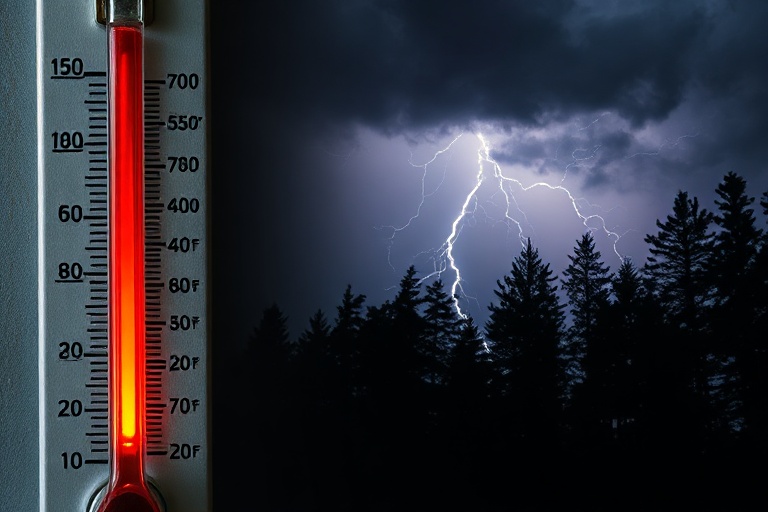
The world has always been shaped by two kinds of challenges—those that strike from within and those that rage from without. Fever and storm represent these forces in their most elemental forms. One is a silent invader, creeping through the body’s defenses, while the other announces itself with thunder and fury, bending nature to its will. Across continents and centuries, humanity has responded to these dual threats with rituals, remedies, and resilience.
From the feverish plagues of medieval Europe to the cyclones that reshape the coastlines of Southeast Asia, adversity has forced societies to adapt. These challenges are not just biological or meteorological events; they are deeply cultural, economic, and psychological. How different cultures interpret and confront fever and storm reveals much about their values, traditions, and collective memory.
The Body’s Rebellion: Fever in Historical and Cultural Context
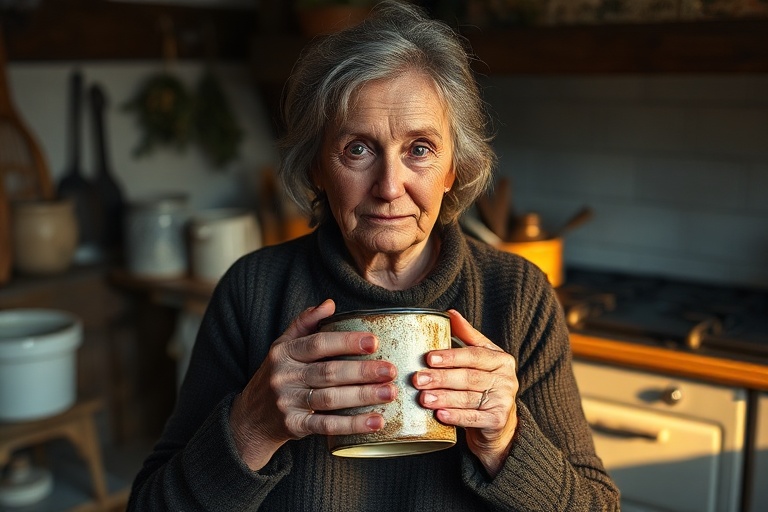
Fever has long been seen not just as a symptom but as a message—sometimes a divine warning, other times a test of endurance. In ancient Greece, Hippocrates viewed fever as an imbalance of the body’s humors, a perspective that shaped medical thought for millennia. Traditional Chinese medicine, meanwhile, interpreted fever as a disruption in the flow of qi, the vital energy that sustains life.
In India, the Ayurvedic tradition treats fever (jvara) as both a disease and a purification process. Ayurveda emphasizes balancing the three doshas—vata, pitta, and kapha—through diet, herbs, and lifestyle. The holistic approach reflects a belief that illness, including fever, is part of life’s natural cycles. This view persists in modern India, where households still rely on home remedies like tulsi (holy basil) tea and turmeric milk to ward off fever during monsoon season.
Across the Atlantic, African spiritual traditions often frame fever as a spiritual affliction. In Yoruba culture, for instance, fever may be attributed to curses, ancestral displeasure, or witchcraft. Healing rituals involve offerings, drumming, and consultations with traditional healers (babalawo). These practices endure despite the spread of Western medicine, illustrating how deeply rooted cultural narratives shape responses to illness.
Modern science has demystified fever to a large extent, but cultural perceptions linger. In Western societies, fever is often medicalized immediately—reaching for antipyretics at the first sign of a temperature rise. This reflects a broader cultural emphasis on control and efficiency. Yet, even in these societies, alternative approaches like acupuncture or infrared therapy are gaining traction, signaling a return to more integrative models of health.
Nature’s Wrath: Storms as Cultural Mirrors
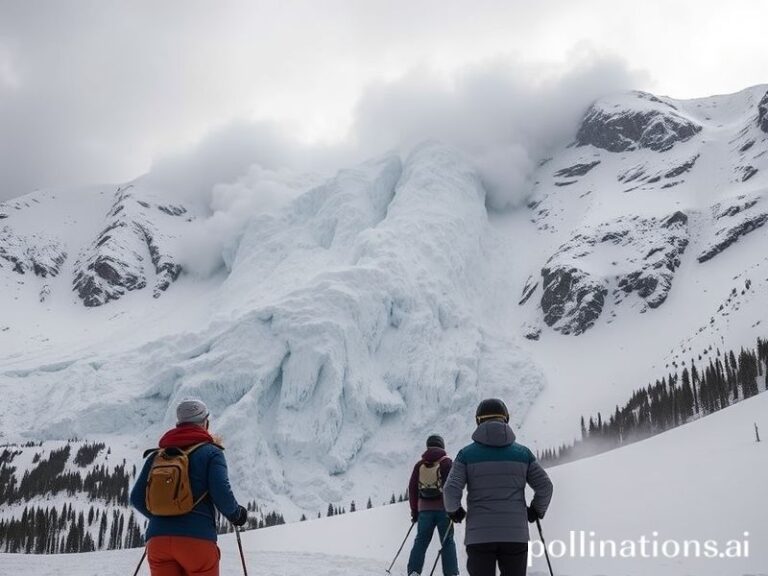
Storms, unlike fevers, are impossible to ignore. They arrive with force, reshaping landscapes and lives in hours. How cultures prepare for and interpret storms reveals their relationship with nature—whether as a conqueror, a partner, or an unstoppable force. In the Pacific Northwest, Indigenous communities like the Haida and Tlingit have long viewed storms as part of a sacred balance. Their oral histories describe storms as the breath of ancestral spirits, a reminder of nature’s power and humanity’s place within it.
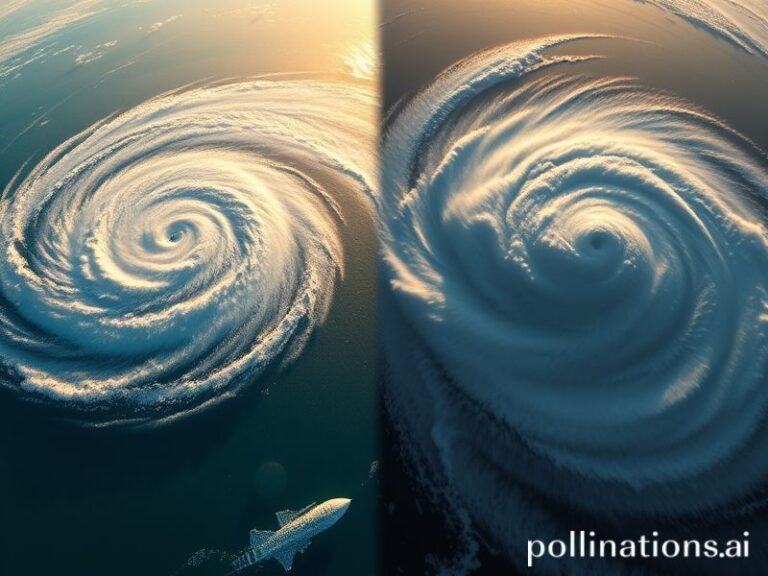
Contrast this with the Western scientific view, which categorizes storms by intensity and tracks their paths with satellites and models. While this approach saves lives through early warnings, it can also foster a sense of detachment. Nature becomes an object of study rather than a living entity with which humans interact. This duality is evident in how coastal cities in the United States prepare for hurricanes. Evacuation orders are issued based on data, but the emotional weight of leaving one’s home behind is a cultural experience shared by generations.
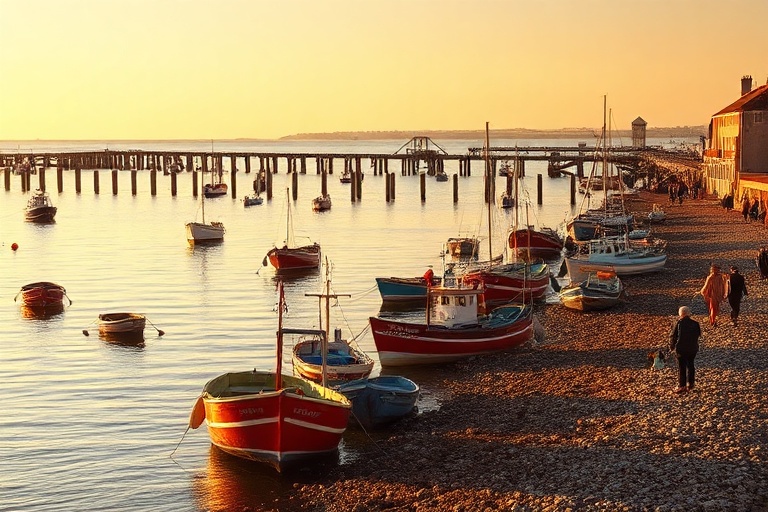
In the Caribbean, storms are woven into the fabric of daily life. Islanders have developed a rhythm of resilience—boarding up homes, securing boats, and gathering supplies—passed down through families and reinforced by communal support. The phrase “shelter in place” takes on a literal meaning here, where the home itself is fortified against the storm’s fury. After the hurricane passes, communities rebuild together, reinforcing social bonds that are as vital as physical infrastructure.
In Japan, typhoons are met with a blend of stoicism and preparation rooted in centuries of adaptation. The concept of gaman—enduring hardship with patience and dignity—is central to how the Japanese face natural disasters. Public infrastructure reflects this philosophy, with underground flood tunnels and elevated highways designed to minimize damage. Yet, traditional practices like kamakura (snow huts) in rural areas show how older methods of resilience endure alongside modern technology.
When Fever and Storm Collide: Global Lessons in Crisis Response
The intersection of fever and storm is where crises become compounded. The COVID-19 pandemic arrived amid a storm of misinformation and political division, while also unleashing a global fever of illness and loss. The pandemic revealed stark disparities in how societies respond to overlapping crises. Wealthier nations with advanced healthcare systems struggled to contain the virus, while poorer regions faced the dual burden of disease and climate-related displacement.
In the Philippines, a country frequently battered by typhoons, the pandemic forced a reevaluation of disaster preparedness. Clinics in typhoon-prone areas became dual-purpose spaces—hospitals during outbreaks and shelters during storms. Community health workers, already trained in disaster response, took on additional roles in contact tracing and vaccination drives. This integration of health and disaster management is now seen as a model for other vulnerable regions.
In Africa, where both infectious diseases and extreme weather events are common, NGOs and local leaders have developed innovative hybrid approaches. During the Ebola outbreak in West Africa, for example, traditional healers worked alongside medical teams to combat misinformation and stigma. Similarly, in the Sahel region, communities facing drought and disease have turned to agroecological practices that build resilience against both environmental and health shocks.
These examples highlight a crucial lesson: resilience is not a one-size-fits-all solution. It requires blending traditional knowledge with modern science, local leadership with global support, and short-term aid with long-term adaptation strategies. The interplay between fever and storm teaches us that adversity is multifaceted—and so must be our responses.
Building Resilience: Lessons for the Future
As climate change intensifies storms and global travel spreads diseases faster than ever, the need for integrated resilience strategies has never been clearer. Governments, communities, and individuals must adopt a holistic approach that acknowledges both the physical and cultural dimensions of crisis.
Here are key principles drawn from global experiences with fever and storm resilience:
- Local Knowledge is Invaluable: Traditional healing practices and indigenous ecological knowledge provide time-tested solutions that modern science cannot replicate overnight. Supporting and integrating these practices strengthens community resilience.
- Infrastructure Must Serve Multiple Needs: Buildings designed for dual purposes—such as clinics that double as storm shelters—maximize resources and save lives in overlapping crises.
- Communication is Critical: Clear, culturally sensitive messaging during health and weather emergencies reduces panic and fosters cooperation. Missteps in communication, such as downplaying risks or neglecting local languages, can exacerbate crises.
- Equity Must Guide Response: Vulnerable populations—whether due to poverty, age, or geographic isolation—are hit hardest by both disease and natural disasters. Targeted support ensures no one is left behind.
- Adaptation is Ongoing: Resilience is not a one-time achievement but a continuous process. Regular drills, community training, and investment in flexible systems prepare societies for whatever comes next.
The stories of fever and storm are, in many ways, the stories of humanity itself—fragile yet enduring, individual yet interconnected. They remind us that while we cannot control every challenge that comes our way, we can control how we face them together. Whether through the quiet strength of a healer brewing herbal tea or the collective effort of neighbors boarding up a home, culture shapes our response to adversity in profound ways.
In the end, fever and storm are not just threats to be endured. They are forces that teach us how to live—with humility, with ingenuity, and with each other.
Explore more on global resilience and cultural traditions:
- Cultural Traditions that shape community responses to crises.
- Health and Wellness practices from around the world.