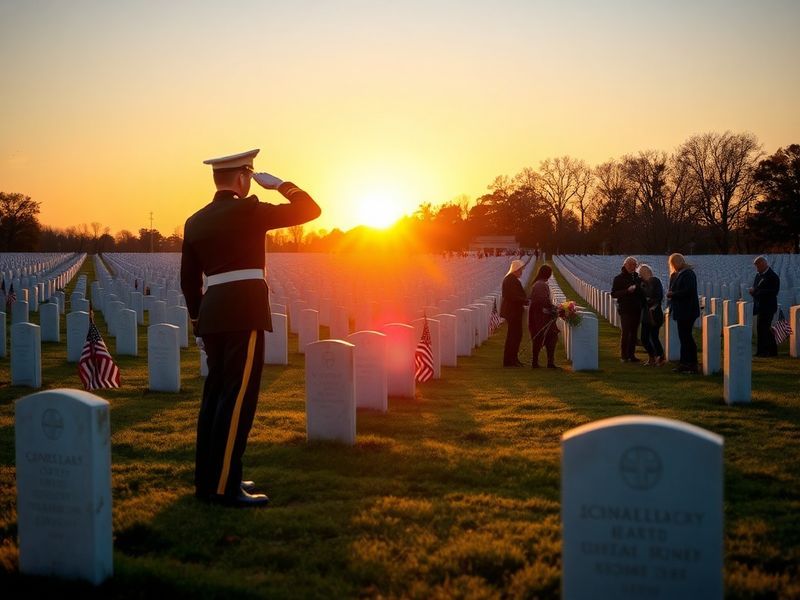
As 2026 approaches, Memorial Day Weekend continues to evolve beyond its origins as a solemn American observance. What began in the late 19th century as a day to honor fallen soldiers has transformed into a global moment of reflection, travel, and cultural expression. This three-day weekend in late May—observed in the United States on the last Monday of the month—has quietly gained resonance in other nations, particularly in Commonwealth countries and parts of Europe, where similar remembrance traditions coincide with the onset of summer.
The convergence of memory and leisure during Memorial Day Weekend offers a unique lens into how cultures reconcile grief with celebration. While the United States remains the epicenter of the holiday, its influence is spreading through media, migration, and modern tourism. This shift raises important questions: How do different societies interpret remembrance when the weather turns warm and outdoor festivals beckon? And what does it mean when a day meant for quiet reflection becomes intertwined with barbecues, beach trips, and blockbuster movie premieres?
The Evolution of Memorial Day: From Solemnity to Summer Ritual
Originally known as Decoration Day, Memorial Day was established after the Civil War as a time to decorate graves of Union soldiers with flowers and flags. Over the decades, it expanded to honor all American military personnel who died in service, and in 1971, it became a federal holiday observed on the last Monday in May. The Uniform Monday Holiday Act, which moved several holidays to create three-day weekends, transformed Memorial Day from a midweek observance into a cultural fixture.
This change had unintended consequences. While the holiday retained its patriotic core, the long weekend became an economic driver—kickstarting the summer travel season, fueling retail sales, and shaping leisure culture. By 2026, the tension between remembrance and recreation will likely intensify. As climate change extends warm weather earlier into May, outdoor gatherings will grow larger and more frequent. Cities from Washington, D.C., to Los Angeles are expected to host expanded memorial ceremonies, but these will compete with festivals, concerts, and sporting events for public attention.
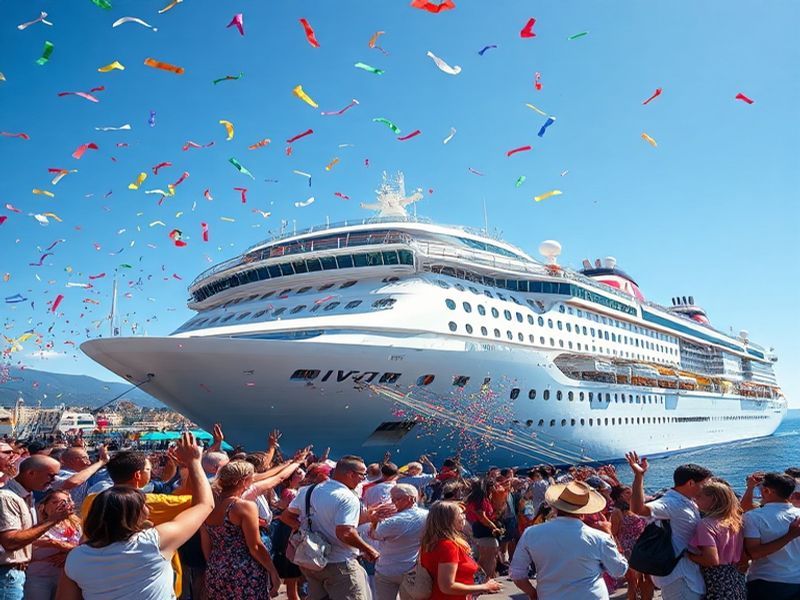
According to tourism projections from Travel industry analysts, over 40 million Americans are expected to travel during Memorial Day Weekend 2026, with domestic road trips and coastal getaways dominating. Airlines and Amtrak have already announced expanded schedules, signaling that the holiday’s travel demand continues to grow. Yet beneath the surface of these statistics lies a deeper narrative: the challenge of preserving meaning in a culture that increasingly equates long weekends with consumption and entertainment.
Global Echoes: How Other Countries Observe Late May Remembrance
While Memorial Day is uniquely American, its themes resonate internationally, especially in nations with similar histories of war and loss. In Canada, Victoria Day—celebrated on the Monday preceding May 25—marks the unofficial start of summer and honors Queen Victoria’s birthday, but it also carries undertones of remembrance for military service members. Similarly, in the United Kingdom, the late May bank holiday (observed on the last Monday of the month) is often used for remembrance events, particularly in towns with war memorials.
In Australia and New Zealand, Anzac Day on April 25 is the primary day of military remembrance, but many veterans’ groups use the extended weekends in late May to host educational events and community gatherings. These observances highlight a shared global impulse: the need to remember, even as modern life accelerates. In Japan, where Memorial Day does not exist, the country observes several days dedicated to war dead, including the Autumn Equinox Day and the more recent Peace Memorial Day in Okinawa. These events, though rooted in national context, reflect a universal rhythm of grief and commemoration.
What connects these observances is not just the calendar, but the timing. Late May in the Northern Hemisphere coincides with blooming landscapes and rising temperatures—a natural invitation to gather outdoors. This seasonal alignment creates a powerful paradox: nature’s renewal juxtaposed with human loss. As climate change alters weather patterns, Memorial Day Weekend 2026 may see even more communities blending remembrance with outdoor festivals, from memorial concerts in city parks to candlelit vigils under starlit skies.
Pop Culture and Commerce: The Commercialization of Remembrance
One of the most visible shifts in Memorial Day Weekend is its entanglement with pop culture and commercialism. Retailers launch “summer sale” campaigns weeks in advance. Movie studios time major film releases to capitalize on the long weekend. Musicians schedule outdoor festivals, and social media platforms see a surge in patriotic and memorial-related posts. This commercialization is not inherently negative—it reflects how society processes meaning through shared experiences—but it does raise ethical questions.
Consider the rise of “Memorial Day sales” that began in the 1980s. Today, these promotions are a billion-dollar industry, with auto dealerships, furniture stores, and e-commerce giants offering steep discounts. While some consumers view these deals as harmless holiday perks, critics argue that they risk trivializing the holiday’s purpose. In 2026, brands will likely double down on digital campaigns, using targeted ads and influencer partnerships to drive engagement. Yet, there are signs of resistance. A growing number of nonprofits and veteran organizations are launching counter-campaigns, urging consumers to “remember first” before shopping.
Another cultural layer is the integration of Memorial Day Weekend into the entertainment calendar. Blockbuster movies often premiere over the holiday, and in 2026, studios are expected to focus on action films, superhero franchises, and patriotic dramas. The juxtaposition of war-themed films with a day honoring the dead can feel jarring, though some productions aim to balance entertainment with respect. Streaming platforms, too, will curate playlists of war documentaries, veteran interviews, and historical dramas, ensuring the holiday remains visible in the digital realm.
Looking Ahead: The Future of Memorial Day in a Changing World
By 2026, Memorial Day Weekend will likely face new challenges and opportunities. Climate change could alter travel patterns, with extreme weather forcing cancellations or inspiring alternative observances. Meanwhile, social media will continue to shape how the holiday is perceived, both at home and abroad. Platforms like Instagram and TikTok may amplify personal stories of service members, creating a more intimate connection to the holiday for younger generations.
Technology will also play a role in redefining remembrance. Virtual reality memorial tours, online tribute walls, and AI-generated tributes could become mainstream, allowing people to honor the dead in immersive ways. However, these innovations risk further distancing individuals from physical acts of remembrance, such as visiting gravesites or attending parades.
One trend to watch is the rise of “hybrid observances”—events that blend remembrance with celebration. For example, cities might host memorial runs in the morning followed by community festivals in the afternoon. This approach could help strike a balance, ensuring that the holiday remains both meaningful and inclusive. Veterans’ groups and cultural organizations are already experimenting with such models, and their success in 2026 may influence future observances.
Ultimately, Memorial Day Weekend 2026 will reflect the broader tensions of our time: between past and present, grief and joy, solitude and community. As societies grow more diverse and globalized, the holiday’s meaning will continue to evolve. What remains constant is the human need to remember—to pause, to honor, and to connect across generations. Whether through a moment of silence at a backyard barbecue or a candlelit vigil on a distant shore, the act of remembrance endures, even as the world around it changes.
For travelers, families, and communities, Memorial Day Weekend offers a chance to reflect on what we value most—not just in summer, but in life. And in an age of constant motion, that pause may be more precious than ever.