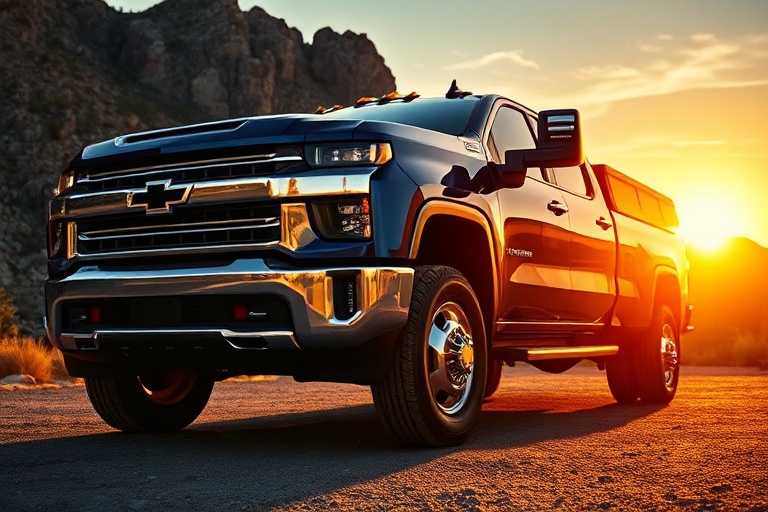
Chevrolet Silverado: A Global Icon of American Truck Culture
The Chevrolet Silverado has long stood as a symbol of rugged reliability, raw power, and unmistakable American engineering. Since its introduction in 1999, this full-size pickup has evolved from a regional favorite into a worldwide presence, shaping not just automotive markets but cultural narratives across continents. Whether hauling freight across the Australian outback, dominating construction sites in Europe, or cruising the boulevards of Latin America, the Silverado embodies a versatile spirit that transcends borders.
What began as a replacement for the aging C/K series has grown into a family of trucks that cater to work, recreation, and everything in between. The Silverado’s journey reflects broader shifts in global automotive demand—where durability meets digital sophistication, and tradition meets innovation. It is more than a vehicle; it’s a rolling testament to American industrial heritage, now embraced in diverse terrains and economies.
The Evolution of a Legend: From 1999 to Today
The first-generation Silverado debuted in 1999, marking Chevrolet’s bold step into the new millennium with a redesigned frame, improved towing capacity, and a more refined interior. It was built on the GMT800 platform, offering a smoother ride and quieter cabin than its predecessors. This generation quickly became a favorite among tradespeople and families alike, thanks to its balance of capability and comfort.
The second generation (2007–2013) introduced the GMT900 architecture, featuring a stiffer frame, stronger engines, and advanced safety features like rollover stability control. The Silverado became a global contender, especially in markets like Canada, Mexico, and the Middle East, where American trucks were gaining traction. By 2014, the third generation arrived with a more aerodynamic design, aluminum hoods to reduce weight, and the introduction of the high-performance Silverado SS.
Today’s fourth-generation model, launched in 2019, represents a fusion of tradition and technology. It features a fully boxed high-strength steel frame, a 10-speed automatic transmission, and a suite of advanced driver-assistance systems. The Silverado is no longer just a workhorse—it’s a connected machine, integrating telematics and app-based controls that appeal to a new generation of tech-savvy owners.
Global Markets, Local Needs: How the Silverado Adapts
The Silverado’s success abroad hinges on its ability to adapt to regional demands. In Australia, where utes (utility vehicles) dominate, the Silverado competes with models like the Ford Ranger and Toyota Hilux. Chevrolet has tailored its marketing to emphasize durability in harsh outback conditions, partnering with local businesses for promotions in mining and agriculture sectors.
In the Middle East, the Silverado is prized for its robust air conditioning systems and compatibility with diesel engines, which align with local fuel preferences and extreme heat. Dealers in Saudi Arabia and the UAE emphasize towing performance for desert adventures and family travel.
Europe presents a different challenge. While full-size trucks face stricter emissions regulations, the Silverado has found a niche among enthusiasts and off-road adventurers. In countries like Norway and Germany, where electric vehicles are mainstream, Chevrolet markets the Silverado as a hybrid-capable option through its Silverado 1500 with eAssist mild hybrid system.
Latin America, particularly Brazil and Argentina, has embraced the Silverado as both a work vehicle and a status symbol. The Brazilian market, in particular, has seen a surge in demand for the Silverado 2500HD, used in logging, farming, and even urban delivery services. Chevrolet has responded by increasing local production and offering flexible financing plans to make the truck accessible to a broader audience.
Cultural Impact: More Than Just a Truck
The Silverado has woven itself into the fabric of American storytelling. It appears in country music lyrics, Hollywood films, and even political rhetoric as a symbol of hard work and independence. Songs like Toby Keith’s “American Ride” and Blake Shelton’s “God’s Country” celebrate the truck’s rugged individualism, while movies like Transformers and John Wick feature Silverados as part of their visual lexicon.
Beyond the United States, the Silverado has become a cultural ambassador. In Mexico, it’s often associated with ranching culture and is a common sight at rodeos and charreadas. In Africa, where infrastructure can be unreliable, the Silverado is valued for its ability to traverse rough terrain, earning it nicknames like “El Rey de la Carretera” (The King of the Road) in some regions.
The truck’s presence in motorsports further cements its cultural relevance. The Silverado is a dominant force in NASCAR’s Truck Series, where its performance on oval tracks mirrors its capabilities on dirt roads and highways. This racing pedigree enhances its appeal to younger, performance-oriented buyers who see the truck as both a work tool and a plaything.
Technology and Innovation: The Modern Silverado
Recent advancements in the Silverado lineup reflect broader trends in automotive technology. The 2024 Silverado 1500 offers a range of powertrains, including the turbocharged 2.7L EcoTec3, the 5.3L V8, and the available 3.0L Duramax turbo-diesel. These engines are paired with a 10-speed automatic transmission, delivering improved fuel efficiency and towing performance.
Inside the cabin, the Silverado features a 12-inch touchscreen infotainment system with wireless Apple CarPlay and Android Auto, a 12.3-inch digital instrument cluster, and available Super Cruise hands-free driving technology. These features cater to drivers who demand connectivity without compromising the truck’s utilitarian roots.
The Silverado’s towing and payload capacities remain industry-leading. The Silverado 3500HD can tow up to 36,000 pounds when properly equipped, making it a favorite for contractors and towing businesses. The truck’s Multi-Flex Tailgate, which can be opened in six different configurations, is a practical innovation that enhances usability for both work and recreation.
Safety is another area of focus. The Silverado comes standard with a rearview camera and offers available features like forward collision alert, automatic emergency braking, and lane-keeping assist. These technologies address global safety regulations and consumer expectations, particularly in markets like Japan and the European Union.
A Lasting Legacy in a Changing World
The Chevrolet Silverado’s enduring appeal lies in its ability to balance tradition with innovation. It honors a legacy of American craftsmanship while embracing the demands of a globalized, tech-driven world. Whether parked in a suburban driveway, hauling equipment across a construction site, or racing through the desert, the Silverado remains a versatile icon.
As automotive industries shift toward electrification and autonomy, the Silverado continues to evolve. The upcoming Silverado EV, set for release in 2025, promises to bring electric power to the full-size truck segment without compromising capability. This move signals Chevrolet’s commitment to staying relevant in a rapidly changing market.
For millions of drivers around the world, the Silverado is more than a vehicle—it’s a partner in progress. It reflects the values of hard work, resilience, and adaptability that resonate across cultures. From the plains of Texas to the cities of China, the Silverado’s story is still being written, one mile at a time.
For those interested in exploring the broader world of trucks and their cultural significance, visit our Automotive section for more insights and reviews.