Austin Police: Balancing Community Trust and Public Safety in a Rapidly Changing City
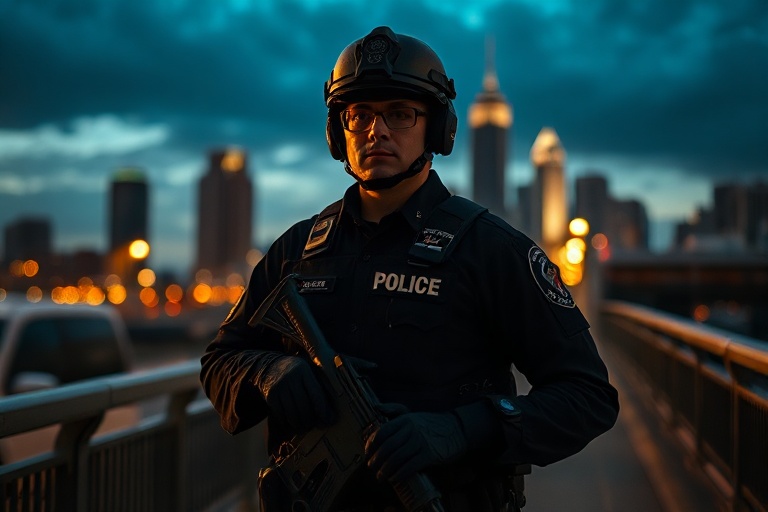
The Austin Police Department (APD) operates in one of America’s fastest-growing urban centers, where the tension between rapid demographic shifts and evolving public safety needs creates a complex backdrop for law enforcement. Unlike older cities with entrenched policing models, Austin faces unique challenges shaped by tech-driven migration, cultural diversity, and shifting public attitudes toward authority. The department’s approach reflects broader national debates about police reform, community engagement, and the role of law enforcement in modern society.
With a population nearing 1 million and a median age under 35, Austin’s youthful, progressive demographic often clashes with traditional policing methods. The city’s reputation as a haven for technology workers, artists, and young families has drawn global attention—but it has also intensified scrutiny of how police respond to issues like homelessness, mental health crises, and social justice protests. These pressures have forced APD to adapt, blending reform initiatives with the demands of maintaining public order in a city that values both innovation and inclusivity.
The Evolution of Policing in Austin: From Reform to Response
The Austin Police Department has undergone significant changes over the past decade, driven by both internal reviews and external pressures. In 2017, after a series of high-profile incidents and community complaints, the city council approved a $3.4 million settlement for a class-action lawsuit alleging unconstitutional stops and searches. This settlement marked a turning point, pushing APD toward greater transparency and accountability. Since then, the department has implemented body-worn cameras for all officers, revised use-of-force policies, and expanded de-escalation training programs.
These reforms align with broader national trends in policing, particularly in progressive cities where community trust is prioritized over aggressive enforcement. However, Austin’s approach is distinct in its integration of technology and data-driven strategies. The department’s Real-Time Crime Center, for example, uses predictive analytics to allocate resources more efficiently. While critics argue that such tools can reinforce biases, APD officials highlight their role in reducing response times and improving crime-solving rates. The balance between innovation and equity remains a defining challenge for the force.
Another notable shift has been the expansion of alternative response teams. In 2020, Austin launched its Community Response Team, a group of unarmed responders trained to handle mental health crises, homelessness-related calls, and non-violent disputes. This initiative reflects a growing recognition that police officers are not always the best equipped to address the root causes of social issues. Similar programs have emerged in cities like Denver and Portland, but Austin’s model emphasizes collaboration with local nonprofits and healthcare providers, setting a precedent for integrated public safety solutions.
Cultural Clashes and Community Relations: A Global Perspective
Austin’s policing challenges are not isolated; they mirror tensions seen in cities worldwide. In Berlin, for instance, police face criticism for their handling of protests and gentrification-driven displacement, while in Tokyo, officers navigate a society where public trust in law enforcement remains high but cultural norms often discourage direct confrontation. Austin’s situation is unique in its blend of American policing traditions and the city’s distinct cultural identity—a mix of Southern hospitality, West Coast liberalism, and a strong DIY ethos.
The city’s large Latino population, which makes up nearly 34% of residents, adds another layer of complexity. While APD has made efforts to recruit bilingual officers and engage with Hispanic communities, language barriers and cultural misunderstandings still occasionally strain relations. Meanwhile, the rapid influx of international tech workers, many from Europe and Asia, has introduced new expectations for police conduct, particularly around issues like privacy and due process. These dynamics underscore how policing in Austin is not just a local issue but a microcosm of global urban challenges.
One striking example of this cultural intersection occurred during the 2021 winter storm crisis. As residents struggled without power or water, APD’s role expanded to include welfare checks and resource distribution. The department’s ability to adapt to this humanitarian crisis highlighted its capacity for community-oriented policing—but it also revealed vulnerabilities, such as underfunded emergency response systems. Comparable situations in cities like Houston and Dallas during the same storm showed how climate-related disasters can strain police resources, regardless of a city’s progressive reputation.
Technology, Transparency, and the Future of APD
Technology continues to reshape how Austin Police operate, from surveillance systems to social media monitoring. The department’s use of facial recognition software has sparked debate, with civil liberties groups arguing that it disproportionately targets minorities. In response, APD has implemented strict guidelines, including requiring judicial warrants for searches and regular audits of its technology use. These measures reflect a cautious approach to innovation, balancing efficiency with ethical concerns.
Transparency has become a cornerstone of APD’s public relations strategy. The department now publishes regular reports on officer-involved shootings, traffic stops, and complaints, a move that contrasts with the opacity of some other U.S. police forces. Internationally, cities like Amsterdam and Barcelona have adopted similar open-data policies, though Austin’s efforts stand out for their granularity. Critics, however, point out that data alone cannot repair trust; systemic issues like racial profiling persist despite improved reporting.
Looking ahead, APD faces several critical questions. How will it address the rising cost of living and its impact on crime rates? Can it maintain community trust amid political polarization? And what role will technology play in shaping the future of policing? One thing is clear: Austin’s police force is at a crossroads, where the choices made today will reverberate for years to come. Whether those choices lead to greater harmony or deeper divides may well define the city’s identity for decades.
Lessons for Other Cities: What Austin’s Experience Teaches Us
Austin’s policing model offers valuable lessons for cities worldwide grappling with similar challenges. The success of its alternative response teams, for example, demonstrates how specialized units can reduce the burden on traditional law enforcement while improving outcomes for vulnerable populations. Cities like San Francisco and Los Angeles have taken note, though implementation has varied widely based on local politics and funding.
Another key takeaway is the importance of community input in shaping policing strategies. Austin’s Citizen Review Panel, which allows residents to review officer misconduct cases, is one of the most advanced models in the U.S. Comparable initiatives exist in cities like London and Toronto, where civilian oversight boards play a crucial role in maintaining public confidence. However, Austin’s panel has faced criticism for its limited power, highlighting the need for meaningful oversight—not just symbolic participation.
Finally, Austin’s experience underscores the global relevance of local policing reforms. As cities everywhere confront issues like inequality, climate change, and technological disruption, the way they manage public safety will determine their resilience. Austin’s journey—marked by both progress and setbacks—serves as a reminder that policing is not just about law enforcement; it’s about building the kind of society we want to live in.
Austin’s police department stands at the intersection of tradition and transformation. Its ability to navigate this terrain will shape not only the city’s future but also the broader conversation about what effective, equitable policing looks like in the 21st century.