Austin’s Shelter-in-Place: How One City Navigated a Global Crisis
The COVID-19 pandemic reshaped daily life in cities worldwide, and Austin, Texas, was no exception. As governments scrambled to contain the virus, the concept of a shelter-in-place order became a defining moment in urban resilience. Unlike the densely packed metropolises of New York or San Francisco, Austin’s approach reflected its unique blend of urban culture and sprawling suburban landscapes.
Texas’ capital is known for its live music, tech boom, and outdoor lifestyle. Yet when the pandemic hit, these very traits presented both challenges and opportunities. The city’s shelter-in-place policies had to balance public health with economic survival, all while preserving the essence of what makes Austin distinct. This is the story of how one city adapted—and what it reveals about urban life in a post-pandemic world.
The Origin of Austin’s Shelter-in-Place Order
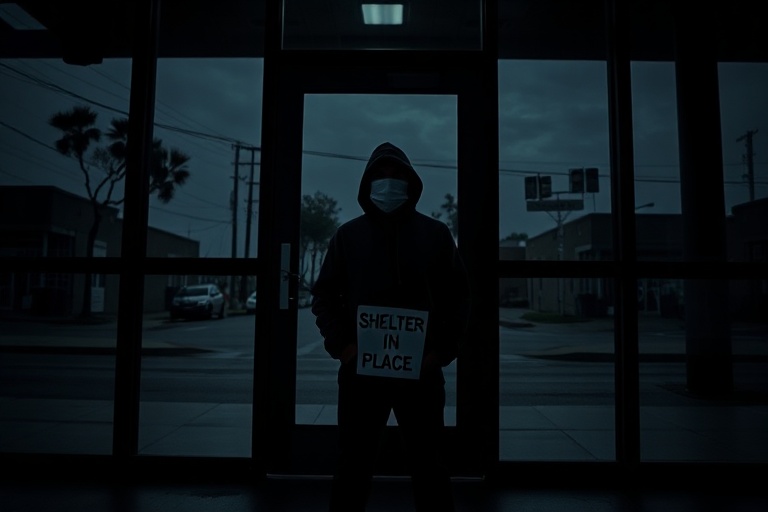
On March 24, 2020, Austin Mayor Steve Adler issued one of the first shelter-in-place orders in Texas. At the time, the city had just over 50 confirmed COVID-19 cases, but officials feared a rapid surge without intervention. The order, which went into effect on March 26, required residents to stay home except for essential activities like grocery shopping or medical visits.
Unlike stricter lockdowns in countries like Italy or Spain, Austin’s approach was relatively measured. The city allowed outdoor exercise, curbside pickup at businesses, and even drive-in church services. This reflected both Texas’ conservative governance style and Austin’s progressive-leaning urban culture. The order also included a provision for “essential workers,” a term that would later spark debates about who truly qualified.
Internationally, Austin’s response mirrored strategies in cities like Berlin and Melbourne, where local governments prioritized gradual restrictions over immediate lockdowns. However, Austin’s order came with a twist: its emphasis on individual responsibility over strict enforcement. Police were instructed to issue warnings rather than fines, a decision that later drew criticism from some public health experts.
The Cultural Divide: Urban vs. Suburban Responses
Austin’s shelter-in-place order exposed deep cultural and economic divides. The city’s core—home to tech workers, artists, and students—largely complied with restrictions. But in suburban areas like Round Rock or Cedar Park, compliance varied widely. Some residents viewed the order as an overreach, while others saw it as a necessary precaution.
This divide wasn’t unique to Austin. In cities across the U.S., suburban and rural areas often resisted shelter-in-place orders more than urban centers. A 2020 Pew Research study found that urban Americans were more likely to support strict lockdown measures than their rural counterparts. In Austin, this played out in real time, with debates over mask mandates and business closures dominating local news cycles.
The city’s vibrant music and arts scene also faced an existential threat. Venues like the Continental Club and ACL Live had to pivot quickly, hosting virtual concerts and fundraisers. Meanwhile, tech companies like Dell and Apple adapted by shifting to remote work almost overnight. These adaptations highlighted Austin’s economic diversity—and its vulnerability to sudden disruptions.
For a city that thrives on its “Keep Austin Weird” ethos, the pandemic forced a reckoning. Could Austin maintain its identity while enforcing public health measures? The answer, at least temporarily, was yes—but the cost was steep.
Economic Fallout and the Road to Recovery
The economic impact of Austin’s shelter-in-place order was immediate and severe. Small businesses, particularly in the hospitality and retail sectors, struggled to survive. A report from the Austin Chamber of Commerce estimated that over 20,000 jobs were lost in the first three months of the pandemic. Restaurants like Franklin Barbecue and Torchy’s Tacos relied on takeout and delivery to stay afloat, while others shut down permanently.
Yet Austin’s tech sector provided a lifeline. Companies like Tesla, which opened a massive Gigafactory in nearby Pflugerville, continued hiring despite the downturn. Remote work also accelerated Austin’s reputation as a tech hub, with major firms like Apple and Oracle expanding their local presence. This influx of workers, however, drove up housing prices and strained an already tight rental market.
The city’s recovery was uneven. While downtown offices remained ghost towns, suburban areas saw a surge in demand for single-family homes. Parks like Zilker and Lady Bird Lake became crowded as residents sought outdoor distractions. By mid-2021, Austin’s unemployment rate had improved, but the pandemic left lasting scars on its economy.
Internationally, Austin’s experience mirrored that of cities like Lisbon and Seoul, where tech-driven economies helped cushion the blow. However, Austin’s reliance on tourism and live events made its recovery more precarious. The city’s famous South by Southwest (SXSW) festival, for example, was canceled for the first time in its history—a decision that cost local businesses an estimated $350 million.
Lessons for the Future: What Austin’s Shelter-in-Place Taught the World
Austin’s shelter-in-place order was more than a public health measure; it was a case study in urban resilience. The city’s approach—balancing strictness with flexibility—offered lessons for other municipalities. Here are three key takeaways:
- Local leadership matters: Austin’s response was shaped by its mayor, public health officials, and community leaders. Unlike states where governors imposed blanket rules, Austin’s order reflected local priorities.
- Economic diversity is a strength—and a weakness:
- Austin’s mix of tech, arts, and small businesses helped some sectors thrive while others collapsed. This uneven recovery highlighted the need for targeted support.
- Cultural identity is adaptable: The pandemic forced Austin to rethink its reliance on live events and gatherings. The city’s ability to pivot to virtual experiences kept its spirit alive, even if its soul felt distant.
Globally, cities like Melbourne and Barcelona drew similar lessons. Melbourne’s strict lockdowns, for example, were credited with controlling the virus but also led to widespread mental health struggles. Barcelona, meanwhile, used its shelter-in-place order to accelerate digital nomad visas, attracting remote workers to fill its empty streets.
Austin’s story is a reminder that even in crisis, cities can adapt. Whether through tech innovation, community solidarity, or sheer stubbornness, Austin proved that resilience isn’t just about survival—it’s about reinvention.
As the world moves forward, Austin’s shelter-in-place order remains a testament to the power of local action. In an era where global pandemics and climate change loom large, cities will need to draw on these lessons to navigate an uncertain future.
Looking Ahead: Austin in a Post-Pandemic World
Today, Austin is in many ways back to normal—its streets hum with music, its restaurants buzz with diners, and its tech campuses buzz with activity. Yet the pandemic left an indelible mark. The city’s housing crisis deepened, its inequality became more visible, and its identity was forced to evolve.
For a city that prides itself on innovation, Austin’s next challenge is ensuring that growth doesn’t come at the cost of its soul. The lessons of the shelter-in-place era—about resilience, adaptability, and community—will shape its future for years to come.
As the rest of the world watches, Austin’s story offers a blueprint for what’s possible when a city chooses to prioritize both health and humanity. Whether it’s through sports events returning to full capacity or its legendary music scene finding new ways to thrive, Austin’s journey is far from over.
One thing is certain: in a city that never stops moving, the pandemic was just another chapter in its endless reinvention.