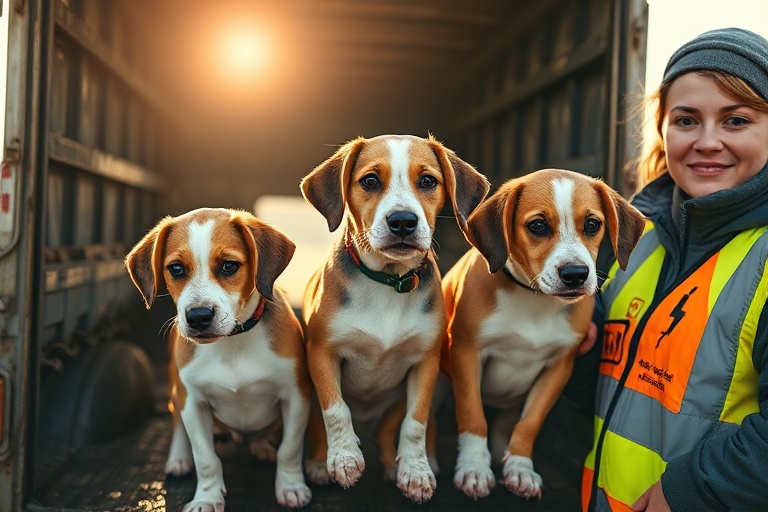
beagles rescued
From laboratory releases to backyard rescues, these small scent hounds have found new beginnings through determined efforts.
The Rise of Beagle Rescues in the U.S.
Beagles have long been popular pets, but their reputation as America’s favorite scent hound has also made them targets for exploitation. Over the past decade, rescue organizations have seen a surge in beagles needing homes—especially those released from research facilities, breeding operations, and puppy mills. These dogs often arrive with physical and emotional scars, but dedicated volunteers work tirelessly to heal and rehome them.
According to the American Society for the Prevention of Cruelty to Animals (ASPCA), beagles are among the most commonly surrendered breeds due to their high energy and stubborn nature—traits that, when misunderstood, lead to abandonment. However, rescue groups like Dave’s Locker Animal Rescues have stepped in to change that narrative. By providing behavioral training, medical care, and foster homes, these organizations are giving beagles a second chance at life.
Why Beagles End Up in Rescues
- Laboratory releases: After the 2000s crackdown on animal testing, many beagles were freed from research labs but lacked socialization skills.
- Puppy mill overpopulation: Breeding facilities often produce more beagles than they can sell, leading to surrenders when demand drops.
- Owner mismanagement: Their strong hunting instincts and vocal tendencies frustrate some owners, prompting abandonment.
How Rescue Organizations Make a Difference
Rescue groups don’t just save beagles—they transform their lives through structured rehabilitation. The process typically begins with a medical evaluation to address issues like malnutrition, dental disease, or injuries from neglect. Behavioral specialists then assess each dog’s temperament, identifying whether they’re better suited for family life, single-person households, or even therapy work.
One standout example is the Beagle Freedom Project, which has rescued thousands of beagles from laboratories. Their model involves working with institutions to facilitate adoptions post-release, ensuring dogs receive proper training before adoption. Many of these beagles go on to become certified therapy dogs, proving that rehabilitation is possible even after years of confinement.
Key Steps in Beagle Rescue and Rehabilitation
- Intake and assessment: Dogs are scanned for microchips, vaccinated, and spayed/neutered.
- Behavioral evaluation: Experts test for aggression, anxiety, and socialization levels.
- Foster care: Volunteers provide a home environment to rebuild trust and confidence.
- Adoption matching: Potential adopters undergo screenings to ensure compatibility.
Success Stories: Beagles Thriving After Rescue
Not all rescue stories end happily, but the ones that do highlight the resilience of these dogs. Take Max, a beagle rescued from a puppy mill in Ohio. He arrived with severe anxiety and matted fur, but after six months in a foster home, he became a certified therapy dog visiting children’s hospitals. His story is one of many documented by Dave’s Locker Animal Stories, where adopters share updates on their rescued pets.
Another inspiring case is Luna, a former lab beagle who was so fearful of humans that she hid under furniture for weeks. With patience and positive reinforcement, her foster family helped her learn to trust again. Today, Luna lives with a family who adopted her through a local rescue and has even passed her Canine Good Citizen test.
“Rescuing a beagle isn’t just about saving a life—it’s about giving them the chance to experience love for the first time.” — Sarah Chen, Beagle Rescue Volunteer
How to Support Beagle Rescues in Your Community
Whether you’re looking to adopt, volunteer, or donate, there are many ways to contribute to beagle rescue efforts. The most direct way is to adopt from a reputable rescue group, ensuring you’re prepared for the breed’s energy and training needs. If adoption isn’t feasible, fostering is another critical role—many rescues rely on temporary homes to rehabilitate dogs before adoption.
Financial donations also make a significant impact. Funds often cover medical emergencies, spay/neuter surgeries, or emergency rescues. Some organizations, like the National Mill Dog Rescue, even accept in-kind donations like blankets, toys, and cleaning supplies. Advocacy plays a role too—spreading awareness about responsible pet ownership and the ethics of breeding can reduce future surrenders.
Ways to Get Involved
- Adopt or foster: Many rescues have a “beagle-only” adoption process to streamline matching.
- Donate supplies: Check local rescue websites for wish lists of needed items.
- Volunteer time: Walk dogs, help with events, or provide transport for rescued beagles.
- Advocate for change: Support legislation against puppy mills and unethical breeding practices.
Final Thoughts
Beagles rescued from tough circumstances often become some of the most loyal and loving pets. Their stories remind us that every dog deserves a chance to thrive, regardless of their past. By supporting rescue organizations, whether through adoption, donations, or advocacy, we can help turn rescue beagles into beloved family members.
For those considering adding a beagle to their family, it’s important to research the breed’s needs—high energy, social nature, and a strong prey drive. But for those willing to put in the work, the reward is a lifetime of wagging tails, happy barks, and endless snuggles.