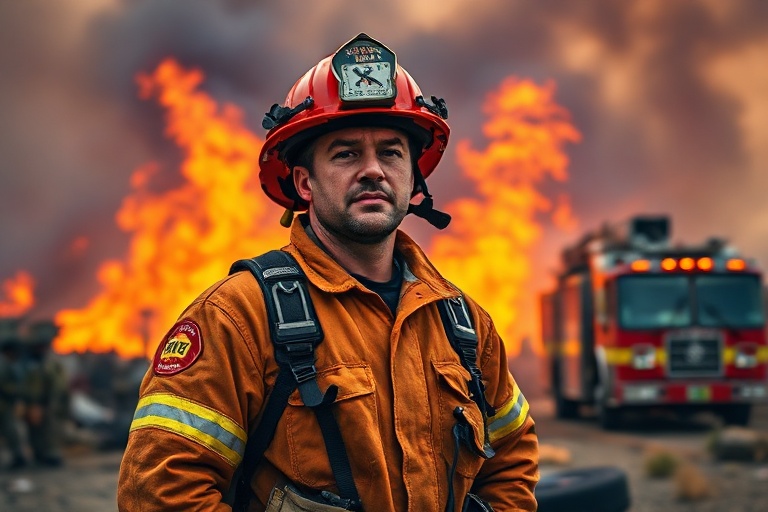
Cal Fire: Protecting California from Wildfire Threats
Understanding Cal Fire: Guardians of California’s Wilderness
Cal Fire, officially known as the California Department of Forestry and Fire Protection, plays a critical role in protecting the state’s diverse ecosystems and communities from the perils of wildfires. Established in 1885, this agency has evolved into a multifaceted organization that not only combats wildfires but also engages in fire prevention and emergency response across California.
The Role of Cal Fire in Wildfire Management
Cal Fire’s primary responsibility is to manage and suppress wildfires throughout California. With a state that is often susceptible to dry conditions and high winds, the agency faces significant challenges. Here are some of the key functions of Cal Fire:
- Fire Suppression: Utilizing ground and aerial resources to combat active wildfires.
- Prevention Programs: Implementing educational campaigns to reduce fire risks in communities.
- Emergency Response: Coordinating responses to various natural disasters, including floods and earthquakes.
- Resource Management: Overseeing forest management practices to maintain healthy ecosystems.
In addition to these functions, Cal Fire collaborates with local fire departments, federal agencies, and non-profit organizations to enhance its effectiveness. This cooperation is vital, especially during peak wildfire seasons when resources are stretched thin.
Wildfire Season: Challenges and Innovations
Every year, California faces a significant wildfire season, typically peaking during the summer and fall months. Factors such as climate change, drought, and urban development contribute to the intensity and frequency of these fires. In recent years, the state has experienced some of the most devastating wildfires in its history, leading to loss of life, property, and ecological damage.
To combat these challenges, Cal Fire has adopted innovative strategies, including:
- Advanced Technology: Utilizing drones and satellite imagery to monitor fire conditions and predict potential outbreaks.
- Firebreaks: Creating controlled burns and clearing vegetation to establish barriers that can slow the spread of fires.
- Community Engagement: Encouraging residents to create defensible space around their homes and participate in local fire safety programs.
These innovations aim not only to enhance firefighting capabilities but also to foster a culture of preparedness among residents living in fire-prone areas.
The Impact of Cal Fire on Communities and Ecosystems
The work of Cal Fire extends beyond immediate firefighting efforts. The agency’s initiatives have profound implications for both local communities and the environment. By implementing fire prevention strategies, Cal Fire aims to reduce the risk of wildfires, thereby safeguarding homes and lives.
Moreover, the agency’s focus on ecological health helps maintain biodiversity within California’s unique ecosystems. Many of the state’s native species depend on fire for regeneration, and responsible fire management can support these natural cycles.
However, the agency faces criticism as well. Some argue that fire suppression efforts can disrupt natural processes, leading to the accumulation of combustible materials that can fuel larger wildfires in the future. Balancing fire management with ecological preservation remains a complex challenge.
Looking Ahead: The Future of Fire Management
As climate change continues to influence weather patterns, the future of fire management in California will likely require adaptability and innovation. Cal Fire is already exploring various strategies to enhance its response capabilities. This includes:
- Increased Funding: Advocating for more financial resources to support firefighting efforts and community education.
- Research Collaboration: Partnering with academic institutions to study wildfire behavior and develop predictive models.
- Policy Advocacy: Engaging with lawmakers to create effective fire management policies that prioritize public safety and environmental health.
Cal Fire’s commitment to evolving its strategies is crucial in the face of unpredictable wildfire seasons. The agency must continue to learn from past experiences while integrating new technologies and practices to protect California’s landscapes and its residents.
Conclusion
Cal Fire stands as a pivotal institution in California’s fight against wildfires. Through its diverse functions, innovative approaches, and community engagement, the agency not only addresses immediate threats but also fosters long-term resilience. As the state grapples with the realities of climate change, the role of Cal Fire will become even more essential in safeguarding both people and nature for generations to come.
For more insights on related topics, visit our Sports or explore News for the latest updates.