Nestled in the Mediterranean Sea, Corsica stands apart from its European neighbors. Often overshadowed by the glamour of the French Riviera or the historic charm of Italy, this rugged island offers something far more authentic: a landscape of towering mountains, dense forests, and crystal-clear waters that have shaped a culture as distinct as its terrain. While tourism has grown in recent years, Corsica remains a place where tradition runs deep, where the pace of life slows to match the rhythm of the waves.
Unlike many Mediterranean destinations shaped by mass tourism, Corsica retains a raw, unfiltered identity. Its identity is not a carefully curated postcard but a living, breathing culture forged over centuries of isolation and resilience. This is an island that demands to be experienced—not just seen. From the coastal villages clinging to cliffs to the alpine pastures where shepherds still tend flocks, Corsica offers a journey through time as much as space.
The Land and Its Legends: A Geography That Defines Identity
Corsica is a paradox—a place of both gentleness and severity. Its geography tells a story of isolation and defiance. The island is dominated by the Massif du Monte Cinto, home to the highest peak in the region, Monte Cinto, which rises to 2,706 meters. These mountains have historically acted as both a barrier and a refuge, shaping the island’s communities into fiercely independent enclaves.
To the east, the coastline stretches in a near-unbroken arc of white sand and turquoise waters, punctuated by small harbors and fishing villages. Calvi, with its Genoese citadel, and Porto-Vecchio, with its luxury marinas, represent the island’s dual identity: one foot in tradition, the other in modern comfort. Yet even in these more accessible areas, the wild heart of Corsica remains close at hand.
- Montane Core: Over 80% of the island is mountainous, with deep valleys and gorges like the Gorges de la Restonica cutting through the landscape.
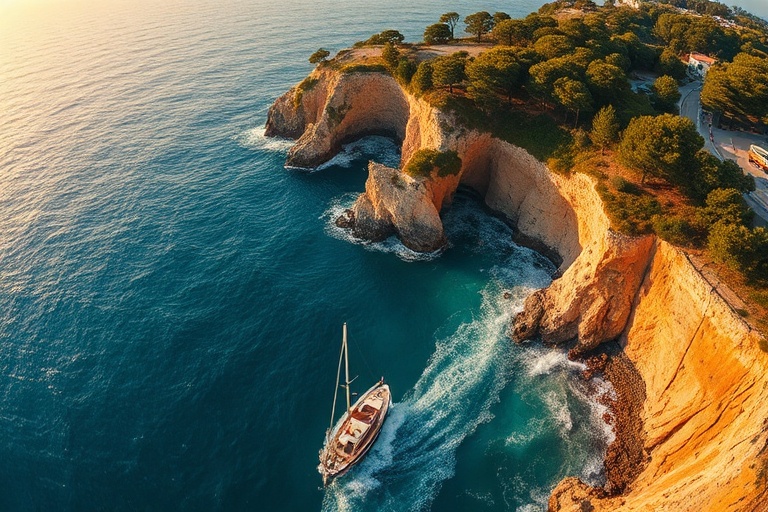
- Coastal Contrasts: While the east coast is gentle and sheltered, the west coast faces the open sea, with dramatic cliffs and hidden coves.
- Biodiversity Hotspot: Corsica is home to 2,000 plant species, including rare Corsican pines and the endemic Corsican mouflon, a wild sheep.
- Climate Variability: From snow-capped peaks in winter to sun-drenched beaches in summer, the island experiences rapid shifts in weather across short distances.
The terrain has not only shaped the island’s ecology but its culture. Isolation led to the development of distinct dialects, customs, and even a legal code—the Corsican Customary Law—that governed life for centuries before French administration took hold. This legal tradition, rooted in Roman and medieval practices, still influences local governance in some rural areas.
Culture and Traditions: A Society That Resists Assimilation
Corsican identity is not merely about geography—it is a living culture. The island has long resisted cultural assimilation, even as it has been passed between powers including the Republic of Genoa, France, and brief periods under Aragon and Britain. This resistance is visible in the language, music, and festivals that remain deeply rooted in pre-modern traditions.
Corsican, a Romance language closely related to Tuscan Italian, is spoken by about 40% of the population. It is not a dialect but a distinct language, with its own literature and oral traditions. The poetry of u cantu in paghjella—a form of polyphonic singing—has been recognized by UNESCO as an Intangible Cultural Heritage. These chants, often performed in churches or during festivals, blend sacred and secular themes, echoing the island’s layered history.
Food is another pillar of Corsican identity. The cuisine is rustic, hearty, and unapologetically local. Cheeses like Brocciu—a fresh sheep’s milk cheese—are central to many dishes. Wild game, chestnuts, and herbs such as maquis (a shrubland typical of the Mediterranean) define the flavors. Even the island’s wine, particularly Patrimonio and Ajaccio, reflects the terroir of steep, sun-baked slopes.
Festivals are communal expressions of identity. The Fiera di u Casgiu (Cheese Fair) in Niolu celebrates Brocciu and shepherding traditions. The Santa di u Niolu, a pilgrimage to a mountain sanctuary, draws thousands in a display of faith and endurance. These events are not tourist spectacles but authentic rituals that bind communities together.
Modern Challenges: Tourism, Autonomy, and Environmental Pressures
Corsica’s growing popularity presents both opportunity and threat. In 2023, the island welcomed over 3 million visitors—a record high. While tourism brings economic benefits, it also strains infrastructure, inflates property prices, and risks eroding cultural authenticity. Coastal areas like Bonifacio and Palombaggia have become emblematic of this tension, where pristine beaches now sit beside crowded promenades.
Environmental concerns loom large. The island’s ecosystems are fragile. Invasive species, coastal erosion, and pollution from cruise ships threaten biodiversity. The Parc Naturel Régional de Corse, established in 1972, protects nearly a third of the island, but enforcement remains inconsistent. Meanwhile, climate change is altering weather patterns, increasing the frequency of wildfires—a devastating issue that has scarred the landscape in recent years.
Politically, Corsica has long sought greater autonomy. The nationalist movement, represented by parties like Femu a Corsica, has pushed for recognition of the Corsican language in the constitution, more control over local governance, and even calls for independence. In 2022, a landmark agreement granted Corsica official recognition of its language in the French constitution, a symbolic but meaningful step. Yet full autonomy remains a distant goal, complicated by France’s centralized political system.
These challenges reflect broader tensions across Europe: balancing economic development with environmental stewardship, honoring tradition while embracing modernity, and managing regional identity within national frameworks. Corsica is not just a microcosm of these issues—it is a testing ground for how they might be resolved.
A Call to Responsible Exploration
Corsica is more than a destination. It is an experience that demands respect. Travelers who venture beyond the resorts and into the interior are rewarded with something rare: a sense of discovery that feels both timeless and urgent. The island’s future depends on how its people, leaders, and visitors navigate the delicate balance between preservation and progress.
For those seeking authenticity, Corsica offers a model of resilience. Its people have survived invasions, economic hardship, and environmental change by relying on community, tradition, and ingenuity. In an age of rapid globalization, Corsica reminds us that culture is not a relic—it is a living force, capable of adaptation and renewal.
As tourism continues to grow, the onus is on visitors to travel thoughtfully. Supporting local businesses, respecting protected areas, and engaging with the island’s culture rather than consuming it as a product are essential steps. Corsica does not need to be “discovered.” It needs to be understood.
For those who make the journey, Corsica leaves an indelible mark—not just in memories of sunsets over the Mediterranean, but in the quiet realization that some places are not meant to be conquered, but experienced. And perhaps, in that experience, we discover something about ourselves.
To explore more about Mediterranean cultures and travel experiences, visit the Travel and Culture sections of Dave’s Locker.