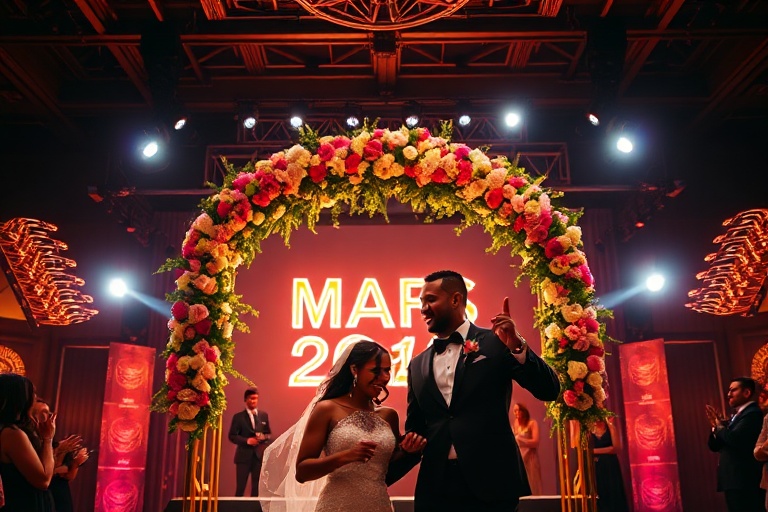
With the success of mainstream reality television in the UK, Married at First Sight UK has become a cultural touchstone for viewers who crave love stories with a twist. As the franchise prepares for its 2026 season, industry insiders and fans alike are speculating about what the next chapter will bring. Will it continue to dominate streaming charts? How will changing social attitudes toward marriage and relationships shape the show’s narrative? These questions matter not just to producers, but to a global audience invested in the drama of modern romance.
The Evolution of MAFS UK: From Experiment to Cultural Institution
Since its debut in 2016, Married at First Sight UK has undergone a significant transformation. Initially marketed as a social experiment, the show has grown into a fully realized reflection of contemporary dating struggles, societal expectations, and the complexities of modern love. The format, which pairs strangers in marriage ceremonies after brief meetings with relationship experts, has sparked conversations about compatibility, consent, and the institution of marriage itself.
By 2026, the series will have completed a decade on air. This longevity is no small feat in a television landscape that increasingly favors short-lived viral content. The show’s endurance speaks to a sustained public fascination with the idea of love as both a gamble and a calculated decision. While earlier seasons leaned into shock value—highlighting dramatic breakups and explosive confrontations—recent iterations have focused more on emotional authenticity. This shift reflects broader cultural trends, including the rise of “slow TV” and a growing preference for content that prioritizes substance over spectacle.
Cultural Context: Why MAFS UK Resonates Worldwide
Although Married at First Sight originated in Denmark, its UK adaptation has developed a distinct identity. British audiences, known for their dry humor and emotional restraint, have embraced the show’s blend of vulnerability and unpredictability. The series taps into universal themes: the desire for connection, the fear of loneliness, and the hope that love can conquer all—even when logic suggests otherwise.
Internationally, the franchise has thrived in countries with strong reality TV cultures, including Australia, the United States, and now the UK. Each version adapts to local values and social norms, but the core premise remains the same: can strangers build a lasting relationship based solely on expert guidance and initial chemistry? In 2026, as debates about arranged marriages, digital dating, and the decline of long-term commitment intensify, MAFS UK positions itself not just as entertainment, but as a cultural commentary.
What’s New in 2026: Format Changes and Industry Shifts
Producers have hinted at several changes for the 2026 season, aiming to refresh the format while maintaining its core appeal. One major shift involves the role of the experts. After criticism in past seasons about lack of diversity among psychologists and matchmakers, the casting team has promised a more inclusive lineup. This reflects a broader industry trend toward representation in reality TV, where authenticity is increasingly prioritized over manufactured drama.
Another anticipated change is the integration of digital elements. With social media influencing every aspect of modern relationships, the show may incorporate live audience polls, behind-the-scenes content on streaming platforms, and interactive episodes where viewers vote on key decisions. This would align MAFS UK with the growing trend of “second-screen experiences,” where audiences engage with content across multiple platforms simultaneously.
Behind the Scenes: The Psychology of MAFS UK
The success of Married at First Sight hinges on the expertise of its relationship professionals. In 2026, expect to see a stronger emphasis on psychological assessment. Experts may use advanced compatibility algorithms, personality profiling, and even AI-driven matchmaking tools to guide the couples. While this could enhance the show’s credibility, it also raises ethical questions: to what extent should television producers influence real-life relationships, even with consent?
Previous seasons have seen participants form genuine emotional bonds, while others ended in public heartbreak. The 2026 season will likely continue this duality—balancing scientific methodology with the unpredictability of human emotion. As one longtime viewer noted, “The best seasons aren’t the ones with the most fights, but the ones where you actually believe the love might last.”
The Global Impact: How MAFS UK Influences Love and Media
Married at First Sight UK is more than just a TV show. It has become part of a larger cultural conversation about love, commitment, and personal agency. In Japan, where arranged marriages still hold cultural weight, the show has sparked debates about tradition versus modernity. In the United States, where divorce rates remain high, it offers a counter-narrative: could expert-guided marriage work in a society skeptical of lifelong partnerships?
Social media has amplified this discourse. Memes, hot takes, and fan theories circulate daily, turning participants into overnight celebrities. Some critics argue that the show exploits vulnerability for profit, while supporters defend it as a celebration of human connection in an increasingly isolated world. The 2026 season will face scrutiny not just for its entertainment value, but for its moral implications.
Looking Ahead: The Future of Reality TV and MAFS UK
As streaming platforms compete for audience attention, MAFS UK must evolve to stay relevant. The rise of short-form video content and interactive storytelling presents both challenges and opportunities. Will the show embrace shorter episodes? Could it experiment with unscripted formats or hybrid reality-documentary styles? One thing is certain: the demand for authentic, emotionally engaging content is stronger than ever.
The 2026 season arrives at a pivotal moment. With declining trust in traditional media and rising interest in “real” human stories, Married at First Sight UK has the chance to redefine itself—not just as a guilty pleasure, but as a meaningful exploration of love in the 21st century.
Whether it succeeds will depend on the choices made behind the scenes, the authenticity of its participants, and the willingness of audiences to believe in the idea that love, even when forced at first sight, can still find a way.