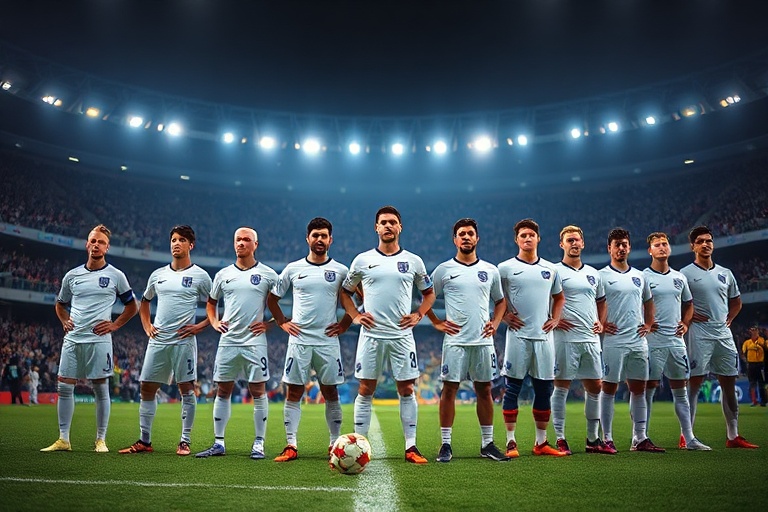
England World Cup Squad: Key Players and Tactical Outlook
“`html
England World Cup Squad: Key Players and Tactical Outlook
The England national football team has always carried the weight of high expectations in World Cup tournaments. As the squad gathers for another attempt at glory, the blend of experience and emerging talent creates an intriguing dynamic. This year’s selection reflects a deliberate strategy to balance proven performers with fresh legs, aiming for both resilience and innovation on the global stage.
The squad’s preparation has been closely scrutinized, with particular attention on how the coaching staff will deploy their resources. Tactical flexibility remains a cornerstone of England’s approach, allowing the team to adapt to different opponents and in-game scenarios. With a core of players who have already tasted major tournament football, the question now is whether this group can elevate their performances when it matters most.
The Core Players Driving England’s Ambitions
At the heart of England’s World Cup ambitions is a nucleus of players who have consistently delivered in high-pressure environments. Harry Kane, the team’s captain and record goalscorer, leads by example. His ability to read the game, combined with his lethal finishing, makes him a constant threat. Kane’s leadership is complemented by the creativity of Jude Bellingham, whose box-to-box energy and technical ability provide balance in midfield.
The defensive backbone is anchored by John Stones and Kyle Walker, whose experience and composure under pressure offer stability. Stones, in particular, has evolved into a more assertive presence, capable of stepping out of defense to dictate play. Meanwhile, Walker’s recovery pace and positional awareness remain vital in transition moments.
Up front, Bukayo Saka and Phil Foden bring a blend of pace and creativity. Saka’s direct running and crossing ability have made him a fan favorite, while Foden’s versatility allows him to operate across multiple attacking roles. The squad’s depth is further bolstered by the emergence of young talents like Jarrod Bowen and Eberechi Eze, who have impressed in domestic competitions and offer tactical alternatives.
Key Strengths of the Current Squad
England’s World Cup squad is characterized by several key strengths that set it apart from previous iterations. One of the most notable is the depth of quality across all positions. Unlike past tournaments where injuries or form issues left the team vulnerable, this squad boasts multiple options for every role, reducing the risk of reliance on a single player.
The team’s physicality and pressing intensity remain defining traits. Under the current management, England has adopted a high-pressing system that disrupts opponents early in their buildup. This approach not only forces turnovers but also creates scoring opportunities through quick transitions. The squad’s fitness levels, honed during a demanding domestic season, suggest they are well-equipped to sustain this intensity over the course of a tournament.
Another advantage is the squad’s tactical versatility. The coaching staff has demonstrated a willingness to experiment with formations, including variations of a 4-3-3, 3-5-2, and even a fluid 4-2-3-1. This adaptability ensures that England can adjust their approach based on the opposition, whether they need to dominate possession or rely on counterattacking.
Tactical Challenges and Areas for Improvement
Despite the squad’s strengths, there are tactical challenges that could hinder England’s progress. One concern is the lack of a natural defensive midfielder who can shield the backline while providing a reliable passing option. While Declan Rice is a capable ball-winner, his absence leaves a gap that could be exploited by teams with strong midfield control.
The team’s reliance on set-pieces also presents a risk. England has historically been strong in dead-ball situations, but opponents are increasingly aware of this threat. If teams manage to neutralize England’s aerial dominance, they may force the team to create chances through open play, an area where consistency has been an issue in recent tournaments.
Another area of concern is the squad’s mental resilience in knockout stages. England has a history of underperforming in penalty shootouts and tight encounters, which has become a psychological burden. While the squad includes players who have thrived in high-pressure moments, the collective experience of navigating these situations remains a work in progress.
Preparation and Tournament Readiness
The build-up to the World Cup has been meticulously planned, with a focus on gradual integration of key players and tactical refinements. The squad has participated in a series of high-intensity training camps, designed to simulate the demands of tournament football. Friendly matches against top opposition have provided valuable insights into the team’s readiness, particularly in identifying areas for improvement.
Injury management has also been a priority. The medical staff has implemented advanced recovery protocols to ensure that players are at peak fitness for the tournament. This approach has paid dividends, with key squad members avoiding prolonged absences due to injury—a recurring issue in previous campaigns.
The team’s accommodation and training facilities have been upgraded to replicate the conditions they will face in the host country. This attention to detail reflects a broader commitment to optimizing every aspect of performance, from nutrition to recovery and mental conditioning.
Looking Ahead: Expectations and Realities
The expectations surrounding England’s World Cup squad are undeniably high. The team is widely regarded as one of the favorites, thanks to their blend of talent, experience, and tactical sophistication. However, the realities of tournament football demand more than just potential—they require execution under pressure.
One of the biggest challenges will be managing the weight of expectations. The media and fanbase often place immense pressure on the team, which can lead to overthinking and hesitation in critical moments. The squad’s leadership group, including Kane and Stones, will play a crucial role in maintaining focus and fostering a positive environment.
Another factor to consider is the draw. England’s path to the knockout stages will significantly influence their chances of success. A favorable group stage could provide momentum, while a tougher route might test the team’s adaptability and depth. The squad’s ability to handle adversity will be a key determinant of their tournament trajectory.
Ultimately, England’s World Cup ambitions hinge on their ability to perform consistently at the highest level. While the squad possesses all the ingredients for success, the margins between victory and disappointment are razor-thin in football’s biggest stage. The coaching staff and players will need to harness their collective strengths while addressing their weaknesses to stand a chance of lifting the trophy.
As the tournament approaches, the focus will shift to final preparations. The squad’s cohesion, tactical flexibility, and mental fortitude will be put to the test. For England fans, the hope is that this iteration of the team can deliver the success they crave, building on the lessons of previous tournaments and writing a new chapter in the nation’s footballing history.
For those interested in deeper tactical breakdowns or historical context, explore our Analysis and Sports sections on Dave’s Locker. These resources provide additional insights into England’s World Cup journey and the broader landscape of international football.