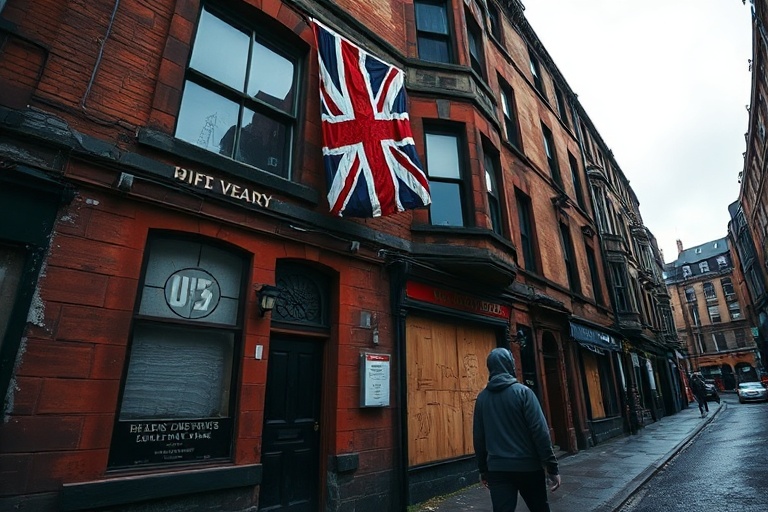
Explore Glasgow: Scotland’s Lively Cultural Capital Uncovered
“`html
Discover Glasgow: Scotland’s Vibrant Cultural Capital
Glasgow, Scotland’s largest city, stands as a dynamic hub of creativity, history, and urban energy. Unlike Edinburgh’s medieval charm, Glasgow pulses with a raw, industrial past transformed into a modern cultural powerhouse. The city’s reputation as a creative and artistic center has grown significantly over recent decades, drawing visitors eager to explore its museums, music scene, and architectural marvels.
With a population exceeding 635,000, Glasgow is not just Scotland’s largest city—it’s a living museum of architectural evolution, from Gothic Revival to cutting-edge contemporary design. The River Clyde, once the backbone of the city’s shipbuilding industry, now reflects Glasgow’s reinvention as a destination for culture and commerce. Whether you’re drawn by music, art, or history, Glasgow offers experiences that linger long after the visit ends.
The Architectural Legacy of Glasgow
Glasgow’s architecture tells a story of ambition, innovation, and resilience. The city boasts more listed buildings than any other in the UK outside London, with over 1,800 structures protected for their historical and artistic significance. At the heart of this legacy is Charles Rennie Mackintosh, one of the most influential architects and designers of the early 20th century. His work, characterized by geometric lines and floral motifs, defines Glasgow’s unique aesthetic.
Key landmarks include:
- The Glasgow School of Art: Mackintosh’s masterpiece, a symbol of Art Nouveau architecture. Though damaged by fires in 2014 and 2018, ongoing restoration efforts aim to preserve its legacy.
- The Kelvingrove Art Gallery and Museum: A stunning example of Spanish Baroque architecture, housing one of Europe’s finest civic art collections.
- The Clyde Auditorium: Nicknamed “The Armadillo,” this modern structure by Foster + Partners is a testament to Glasgow’s contemporary design prowess.
- The University of Glasgow: A Gothic Revival gem that has educated seven Nobel laureates and remains a cornerstone of the city’s intellectual life.
The juxtaposition of old and new is evident throughout Glasgow. Victorian tenements stand alongside sleek, modern developments, while the Clyde’s waterfront has been revitalized with glass-fronted offices and residential towers. This architectural diversity reflects Glasgow’s ability to honor its past while embracing the future.
Glasgow’s Cultural Renaissance: Music, Art, and Festivals
Glasgow’s cultural scene is as diverse as it is vibrant. The city has earned a reputation as a UNESCO City of Music, a title bestowed in 2008 in recognition of its rich musical heritage and thriving contemporary scene. From indie bands to orchestral performances, Glasgow’s music venues cater to every taste.
The city’s live music venues are legendary. Dave’s Locker has documented many of these iconic spots, including:
- The Barrowland Ballroom: A Glasgow institution since the 1930s, known for its legendary Saturday night gigs and the iconic “Barras” sign.
- The Garage: Scotland’s largest nightclub, hosting everything from underground DJs to chart-topping acts.
- The SSE Hydro: A state-of-the-art arena that has welcomed global superstars like Ed Sheeran and Taylor Swift.
- The King Tut’s Wah Wah Hut: The birthplace of Oasis’ fame after the Gallagher brothers famously sent a demo tape from its walls.
Beyond music, Glasgow’s art scene is thriving. The city is home to over 20 art galleries, including the Kelvingrove Art Gallery and Museum, which attracts over 1 million visitors annually. The Gallery of Modern Art (GOMA) showcases contemporary works, while smaller galleries like The Modern Institute highlight cutting-edge local artists.
Glasgow’s festivals are another draw, offering year-round entertainment. The Glasgow International Comedy Festival, one of the largest in the UK, brings laughter to venues across the city. The Glasgow Film Festival celebrates indie cinema, while the West End Festival transforms the city’s west end into a hub of street performances and cultural events. Winter brings the Glasgow Christmas Markets, a festive extravaganza complete with mulled wine, artisanal crafts, and a giant Ferris wheel.
Exploring Glasgow’s Neighborhoods: From Historic to Hip
Glasgow’s neighborhoods each offer a distinct flavor, from the bohemian charm of the West End to the gritty authenticity of the East End. The West End, centered around Byres Road and Ashton Lane, is the city’s cultural epicenter. Here, independent cafes, vintage shops, and bookstores line the streets, while Kelvingrove Park provides a lush green escape. The area is also home to the University of Glasgow, adding a youthful energy to its streets.
The East End, once the heart of Glasgow’s industrial might, has undergone a remarkable transformation. The Glasgow 2014 Commonwealth Games left a lasting legacy in the form of the Emirates Arena and Sir Chris Hoy Velodrome. Meanwhile, the Barras Market remains a symbol of the area’s working-class roots, offering everything from antiques to street food. The nearby Barras Art and Design (BAaD) center has become a creative hotspot, hosting galleries, studios, and pop-up shops.
In the city center, George Square stands as the heart of Glasgow’s civic life. Surrounded by grand buildings like the City Chambers, the square is a focal point for protests, celebrations, and public gatherings. Nearby, Buchanan Street is the city’s premier shopping destination, lined with high-street brands and department stores.
The Southside, particularly the Shawlands area, has seen a surge in popularity among young professionals and families. Its eclectic mix of cafes, pubs, and independent shops gives it a village-like feel, while the nearby Pollok Country Park offers a peaceful retreat with its woodlands and gardens.
Culinary Delights: Glasgow’s Food Scene
Glasgow’s food scene has evolved dramatically in recent years, moving beyond its reputation for deep-fried delicacies like haggis bonbons and deep-fried pizza. Today, the city boasts a thriving culinary landscape that reflects its multicultural influences. From Michelin-starred restaurants to street food markets, Glasgow’s dining options are as diverse as its neighborhoods.
The city’s multicultural communities have contributed to a rich tapestry of flavors. The West End’s Great Western Road is a melting pot of cuisines, with Italian trattorias, Indian curry houses, and Middle Eastern eateries jostling for space. Meanwhile, the Merchant City district has become a hotspot for fine dining, with restaurants like Cail Bruich and The Gannet earning accolades for their innovative menus.
For those seeking a more casual experience, Glasgow’s street food scene is thriving. The Glasgow Market at SWG3 hosts regular events featuring local vendors, while the Platform food hall in the city center offers a curated selection of global street food. The city’s love affair with coffee is evident in its burgeoning specialty coffee scene, with independent roasters like Dear Green Coffee and Laboratorio Espresso earning devoted followings.
No visit to Glasgow would be complete without sampling its traditional fare. While deep-fried pizza may not be to everyone’s taste, dishes like Cullen skink (a creamy smoked haddock soup) and stovies (a hearty potato and meat dish) offer a taste of Scotland’s culinary heritage. For a modern twist, many restaurants are reimagining these classics with locally sourced ingredients.
Conclusion: Why Glasgow Stands Out
Glasgow is a city of contrasts, where industrial grit meets artistic flair and historic charm collides with contemporary innovation. Its architectural marvels, thriving cultural scene, and diverse neighborhoods make it a destination unlike any other in the UK. Whether you’re exploring the legacy of Charles Rennie Mackintosh, catching a gig at the Barrowland Ballroom, or indulging in a multi-course tasting menu, Glasgow promises experiences that are as memorable as they are unique.
The city’s ability to reinvent itself while honoring its past is what sets it apart. Glasgow is not just a stop on a travel itinerary; it’s a place that invites you to dive deeper, whether that means striking up a conversation with a local in a pub, wandering through an independent gallery, or simply soaking in the atmosphere of a bustling street market. As Scotland’s cultural capital, Glasgow continues to evolve, ensuring that every visit offers something new to discover.