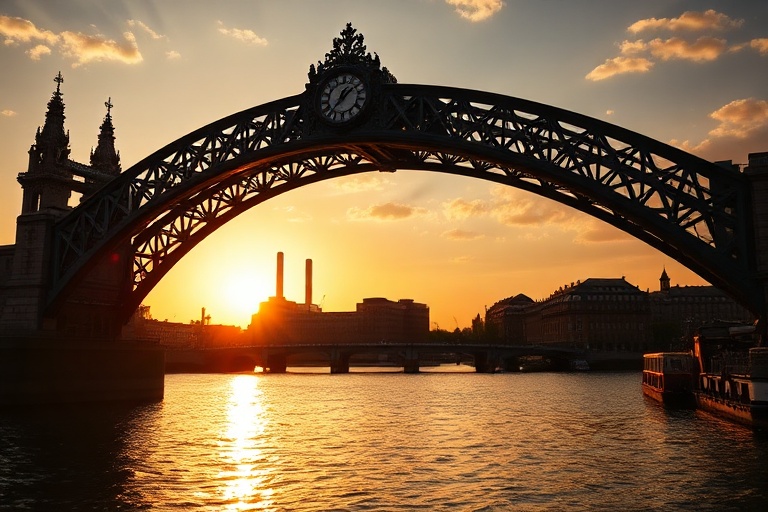
Nestled between the bustling districts of Chelsea and Battersea, Battersea Bridge stands as one of London’s most understated yet historically rich landmarks. Unlike its more famous counterparts such as Tower Bridge or Westminster Bridge, this five-span stone bridge offers a quieter, more intimate connection across the River Thames. Its unassuming presence belies a past filled with controversy, innovation, and a touch of London’s ever-evolving character.
The History Behind the Bridge
Battersea Bridge’s origins trace back to the late 18th century, a time when London’s growth demanded new crossings over the Thames. The first iteration, a toll bridge authorized in 1771, was designed by Henry Holland and initially constructed as a wooden structure. This version, however, was plagued by issues—its narrow width and steep approaches made it both impractical and dangerous for pedestrians and vehicles alike. By the mid-19th century, the bridge had earned a notorious reputation, often described as one of the most accident-prone in London.
The bridge we see today is the result of a complete redesign in the 1880s. Sir Joseph Bazalgette, the engineer behind London’s sewer system, was tasked with creating a safer, more durable crossing. The new bridge, completed in 1890, was built from Cornish granite and Portland stone, featuring ornate decorative elements that still stand today. Bazalgette’s design prioritized both functionality and aesthetics, blending Victorian engineering with a touch of elegance that set it apart from other Thames crossings.
Key Moments in Battersea Bridge’s History
- 1771: The first wooden toll bridge is authorized and constructed.
- 1840s: The bridge gains a reputation as one of London’s most hazardous crossings.
- 1880s: Sir Joseph Bazalgette redesigns the bridge, replacing the wooden structure with a granite and stone version.
- 1890: The new Battersea Bridge opens to the public, becoming a symbol of Victorian engineering.
- 1970: The bridge is declared a Grade II listed structure, preserving its architectural significance.
Architectural Features and Design
Battersea Bridge’s design reflects the Victorian era’s penchant for blending utility with ornamentation. The bridge’s five spans are supported by robust granite piers, each adorned with decorative ironwork that adds a touch of sophistication. The balustrades, featuring intricate patterns, are complemented by ornate lampposts that line the bridge, casting a warm glow over the Thames at night.
Unlike many of London’s bridges, which prioritize grandeur, Battersea Bridge exudes a more understated charm. Its relatively narrow width—just 27 feet—reflects the limitations of 19th-century engineering, yet this very feature contributes to its intimate atmosphere. The bridge’s modest scale makes it a favorite among pedestrians, offering a peaceful respite from the city’s relentless pace.
From an engineering perspective, Battersea Bridge is a testament to the durability of its materials. Over 130 years after its construction, the granite and stone structure remains largely intact, a rare feat in a city where infrastructure is constantly evolving. This longevity speaks to the foresight of Bazalgette and his contemporaries, who prioritized quality and craftsmanship in their designs.
Battersea Bridge in the Modern Era
Today, Battersea Bridge serves as more than just a functional crossing—it is a cultural touchstone in a rapidly changing city. The bridge’s proximity to Battersea Park and Chelsea’s residential areas makes it a popular route for locals and visitors alike. Its serene setting provides a stark contrast to the crowded streets of central London, offering a moment of tranquility alongside the Thames.
For photographers and artists, Battersea Bridge presents an irresistible subject. The play of light on the water, the reflections of passing boats, and the bridge’s elegant lines create a picturesque scene that has inspired countless works of art. Even in an era dominated by modern skyscrapers and digital distractions, the bridge retains a timeless appeal, serving as a reminder of London’s rich history.
The bridge’s role in the community extends beyond its aesthetic value. It connects two vibrant neighborhoods, fostering social and economic ties between Chelsea and Battersea. Local businesses, from riverside cafes to art galleries, benefit from the steady flow of pedestrians who traverse the bridge daily. This economic ripple effect underscores the bridge’s importance as more than just an architectural landmark—it is a vital artery in the city’s urban fabric.
The Broader Implications of Preserving London’s Bridges
Battersea Bridge’s survival in an era of constant redevelopment raises important questions about the preservation of London’s historic infrastructure. As the city expands and modernizes, how do we balance progress with the need to protect its architectural heritage? Battersea Bridge, with its Grade II listing, represents a delicate compromise—a structure that has been adapted for contemporary use while retaining its historical character.
This challenge is not unique to Battersea Bridge. Across London, bridges like Waterloo and Blackfriars face similar pressures, caught between the demands of modern transportation and the need to preserve their historical significance. The preservation of these structures requires a thoughtful approach, one that considers not only their physical durability but also their cultural value. In an age where new developments often prioritize speed and efficiency over tradition, Battersea Bridge stands as a reminder of the importance of preserving the past.
Moreover, Battersea Bridge’s story highlights the role of local advocacy in protecting historical landmarks. Community groups and heritage organizations have played a crucial part in ensuring that the bridge remains a cherished part of London’s identity. Their efforts underscore the power of collective action in safeguarding the city’s cultural treasures for future generations.
Why Battersea Bridge Matters Today
- Cultural Preservation: It represents a tangible link to London’s Victorian past, offering a glimpse into the city’s architectural and engineering history.
- Community Connection: The bridge fosters social and economic ties between Chelsea and Battersea, enhancing the livability of both neighborhoods.
- Urban Resilience: Its durability demonstrates the value of quality construction in an era of disposable infrastructure.
- Inspiration for Future Design: The bridge’s blend of functionality and ornamentation offers lessons for contemporary urban planning.
Conclusion
Battersea Bridge may not command the same attention as London’s more iconic crossings, but its quiet elegance and historical depth make it a vital part of the city’s identity. From its tumultuous origins as a hazardous wooden toll bridge to its current status as a Grade II listed landmark, Battersea Bridge embodies the resilience and adaptability of London itself. In an era of rapid change, it serves as a reminder of the importance of preserving the past while embracing the future.
For residents and visitors alike, a walk across Battersea Bridge offers more than just a passage over the Thames—it is an opportunity to connect with London’s history, appreciate its architectural beauty, and reflect on the enduring value of its cultural heritage. As the city continues to evolve, bridges like this one will remain essential in maintaining the delicate balance between progress and preservation.
Next time you find yourself in Chelsea or Battersea, take a moment to traverse this understated gem. You may discover that the most rewarding experiences in London are often the ones that lie just off the beaten path.