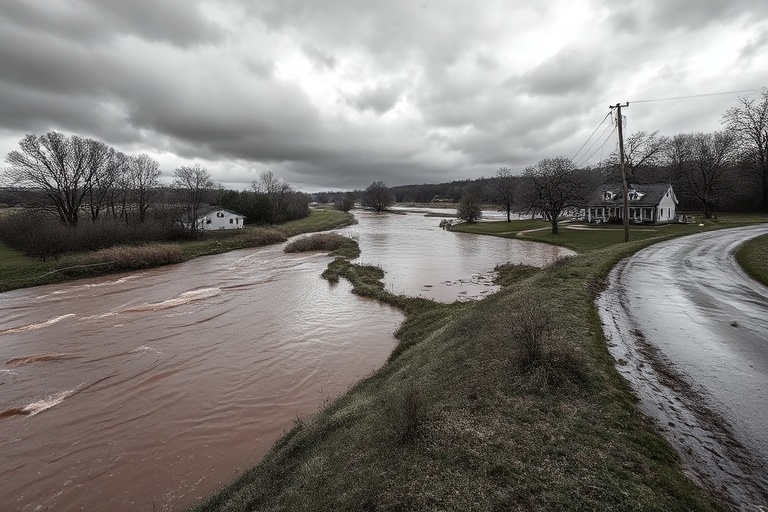
Flood Watch Explained: Risks, Preparedness, and Long-Term Solutions
“`html
Understanding Flood Watch: Risks, Preparedness, and Response
The National Weather Service issues a Flood Watch when conditions are favorable for flooding, though the timing or exact location may still be uncertain. This alert serves as an early warning, urging residents to stay vigilant and prepare for potential threats. Flood watches differ from warnings, which indicate imminent danger. Yet, the distinction often blurs in public perception, leaving many unsure about how to respond. Understanding the nuances of these alerts can significantly reduce risks and save lives.
What Triggers a Flood Watch?
Flood watches are typically issued when meteorologists detect conditions that could lead to flooding within the next 24 to 72 hours. These conditions often include prolonged rainfall, rapid snowmelt, or saturated soil unable to absorb additional water. The National Weather Service (NWS) relies on a combination of radar data, river gauges, and weather models to determine the likelihood of flooding.
Several factors contribute to the issuance of a flood watch:
- Heavy Rainfall: Intense or prolonged rain, especially in areas with poor drainage, increases flood risks.
- Snowmelt: Rapid warming after a heavy snowfall can cause rivers and streams to overflow.
- Dam or Levee Failure: Structural breaches can release large volumes of water unexpectedly.
- Flash Flood Watch: Issued for areas prone to sudden, severe flooding, often due to intense rainfall over a short period.
Flood watches cover broad regions, giving authorities time to mobilize resources and residents time to prepare. However, not all areas under a watch will experience flooding, which can lead to complacency. The key is to treat the alert seriously, as conditions can change rapidly.
Real-World Implications of Flood Watches
Flood watches have far-reaching consequences beyond immediate safety concerns. Economically, they can disrupt supply chains, damage infrastructure, and lead to costly evacuations. In 2021, multiple flood watches across the Midwest forced farmers to delay planting, resulting in millions of dollars in losses. Similarly, urban areas with aging drainage systems face heightened risks when flood watches are issued, as seen in Houston during Hurricane Harvey.
Environmental impacts are equally significant. Floodwaters can carry pollutants into waterways, harming ecosystems and contaminating drinking supplies. Agricultural runoff during floods contributes to algal blooms, further straining local water systems. The long-term effects of repeated flooding, such as soil erosion and habitat destruction, can reshape landscapes for years.
Communities must also consider the psychological toll. Repeated flood watches can create anxiety, particularly in regions with a history of severe flooding. Residents may experience stress from constant alerts, while businesses face uncertainty about operations. Local governments must balance transparency with avoiding alarm fatigue, ensuring the public remains informed without becoming desensitized to warnings.
How to Prepare When a Flood Watch is Issued
Preparation is the best defense against flooding. While a flood watch does not guarantee disaster, taking proactive steps can mitigate risks. Here’s a checklist to follow when one is announced:
- Stay Informed: Monitor updates from the NWS, local news, and emergency alerts. Sign up for community warning systems if available.
- Review Evacuation Routes: Identify multiple escape routes in case roads become impassable. Practice the route with family members.
- Prepare an Emergency Kit: Include water, non-perishable food, medications, flashlights, batteries, and important documents. Aim for at least 72 hours of supplies.
- Protect Your Property: Move valuables to higher floors, secure outdoor items, and consider installing sandbags or flood barriers if you live in a high-risk zone.
- Check Insurance Coverage: Standard homeowner’s policies often exclude flood damage. Purchase separate flood insurance through the National Flood Insurance Program (NFIP) if available.
- Communicate a Plan: Ensure all household members know what to do, including where to meet if separated and how to contact each other.
Technology plays an increasingly vital role in flood preparedness. Apps like Weather Underground and FEMA’s Emergency Manager provide real-time alerts and localized forecasts. Drones and satellite imagery help authorities assess damage and deploy resources more efficiently. However, technology is only as effective as the response it triggers. Communities must invest in infrastructure upgrades, such as improved drainage systems and floodplain management, to reduce long-term risks.
Beyond the Watch: Long-Term Solutions
While flood watches are critical for short-term safety, addressing the root causes of flooding requires long-term strategies. Climate change is intensifying rainfall patterns, increasing the frequency of extreme weather events. Urbanization exacerbates the problem by replacing permeable surfaces with concrete, reducing the land’s ability to absorb water. To combat these trends, cities are turning to green infrastructure, such as rain gardens and permeable pavements, to manage stormwater more sustainably.
Policy changes also play a role. The Federal Emergency Management Agency (FEMA) has updated flood maps to reflect rising sea levels and more intense storms, though critics argue these updates often lag behind actual risks. Local governments must enforce stricter building codes in flood-prone areas and consider buyout programs for repeatedly damaged properties. Incentivizing relocation away from high-risk zones could save lives and reduce economic losses in the long run.
Community engagement is equally important. Neighborhoods that organize flood preparedness workshops or volunteer sandbagging efforts build resilience. Schools can incorporate flood safety into their curricula, ensuring the next generation understands the threats and knows how to respond. The goal is to shift from reactive measures to proactive planning, reducing the need for constant flood watches.
Conclusion
A flood watch is more than a weather alert—it’s a call to action. While not every watch leads to flooding, the potential consequences demand respect and preparation. From safeguarding property to protecting lives, the steps taken during a flood watch can make a critical difference. Yet, the broader challenge lies in addressing the systemic issues that exacerbate flooding, from climate change to urban planning. By combining immediate vigilance with long-term strategies, communities can build resilience against the rising tide of extreme weather.
Stay informed, stay prepared, and advocate for solutions that go beyond the watch.