Flood Watch: How to Prepare and Stay Safe During Watches
Understanding Flood Watch: Preparation and Response
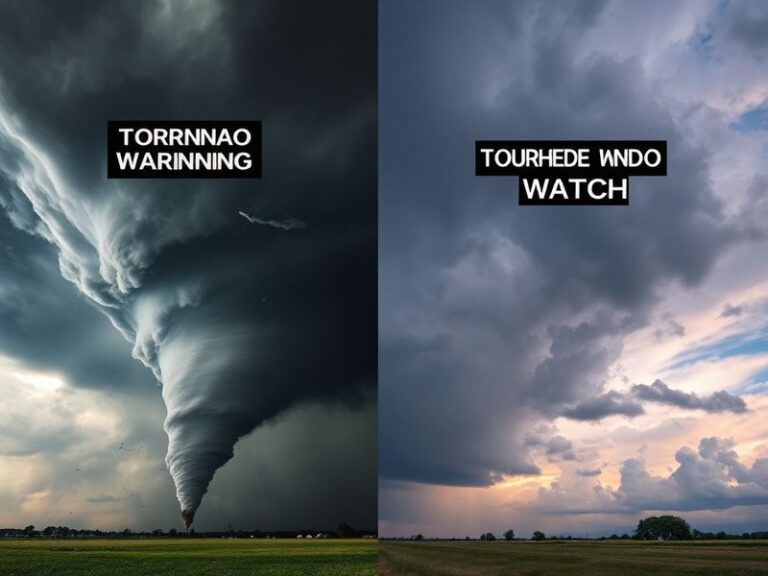
Flood watches are issued by the National Weather Service (NWS) to alert communities about the potential for flooding within the next 36 hours. Unlike flood warnings, which indicate imminent danger, a watch signals that conditions are favorable for flooding. This distinction is critical for residents and emergency responders, as it provides time to prepare without the immediate pressure of an active crisis. The difference between a watch and a warning often comes down to timing and certainty, with watches serving as an early heads-up.
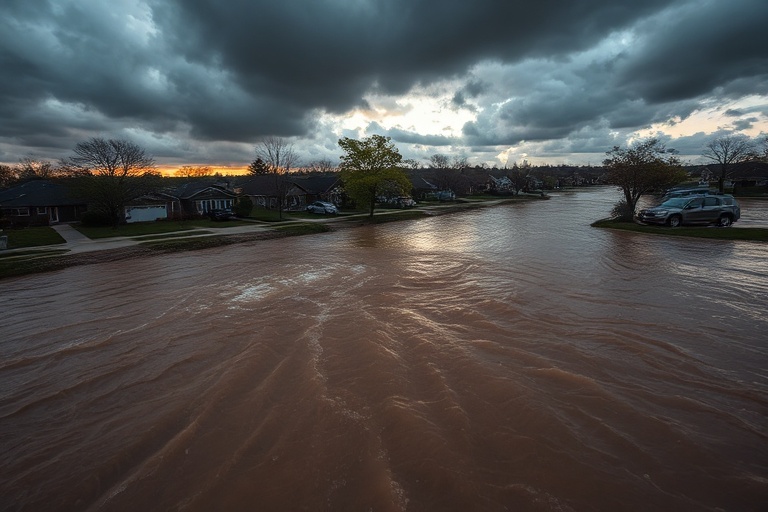
The NWS bases these alerts on a combination of meteorological data, including rainfall forecasts, soil saturation levels, and river or stream flow rates. For example, a watch might be issued after a forecast predicts heavy rainfall exceeding two inches in areas where the ground is already saturated from prior storms. These conditions increase runoff, raising the risk of flash flooding in low-lying or poorly drained areas. Urban environments, with their abundance of concrete and limited green spaces, are particularly vulnerable to rapid flooding during intense rainfall events.
The Science Behind Flood Watches
Meteorologists use advanced modeling tools to predict flooding potential. These models incorporate data from weather satellites, Doppler radar, and ground-based sensors. One key metric is the Flash Flood Guidance (FFG), which estimates the amount of rainfall needed over a specific period to cause flooding in a given watershed. If forecasted rainfall exceeds the FFG, a flood watch is likely to be issued. This scientific approach ensures that watches are not issued arbitrarily but are grounded in measurable risk factors.
Another critical factor is the antecedent moisture condition of the soil. Areas that have experienced prolonged or recent rainfall may reach saturation faster during a new storm, leading to increased runoff. Urban drainage systems, designed to handle typical rainfall, can become overwhelmed when precipitation rates exceed their capacity. In rural areas, saturated soils may lead to landslides or debris flows, especially in hilly or mountainous regions.
Climate change has introduced additional complexity to flood prediction. Warmer temperatures can increase the atmosphere’s capacity to hold moisture, leading to more intense rainfall events. Studies have shown that the frequency of extreme precipitation events has risen in many parts of the world, including the United States. This trend underscores the importance of heeding flood watches, as the likelihood of severe flooding may be higher than historical averages suggest.
How to Prepare When a Flood Watch Is Issued
When a flood watch is declared, taking proactive steps can significantly reduce risks to life and property. The first priority is to stay informed by monitoring updates from the NWS and local authorities. Signing up for community alert systems, such as Wireless Emergency Alerts (WEA) or local emergency notification apps, ensures that you receive real-time updates. These systems can provide critical information about evacuation routes, shelter locations, and road closures.
A well-prepared emergency kit is another essential component of flood readiness. This kit should include at least three days’ worth of water, non-perishable food, medications, and important documents stored in waterproof containers. Additional items to consider are flashlights with extra batteries, a portable phone charger, and a first-aid kit. For households with pets, include supplies for their care as well. Keeping this kit in an accessible location ensures that you can evacuate quickly if necessary.
Assessing your property for flood risks is also advisable. If you live in a low-lying area or near a body of water, consider installing sandbags or flood barriers around entry points to your home. Ensure that your sump pump is in working order and that drains are clear of debris. For those in rented accommodations or apartments, familiarize yourself with the building’s flood protocols and locate the nearest higher ground or designated safe area.
It’s also wise to plan an evacuation route in advance. Identify multiple paths to higher ground and avoid routes that cross rivers or streams, which can become impassable during flooding. If you have mobility challenges or live with elderly family members, coordinate with neighbors or local services to ensure assistance is available. Communities often set up emergency shelters in advance of expected flooding, so knowing their locations can be invaluable.
Historical Context: Lessons from Past Flood Watches
Analyzing past flood events provides valuable insights into the importance of heeding watches and preparing effectively. One notable example is the 2015 Texas Memorial Day Floods, where a flood watch was issued for central Texas ahead of severe thunderstorms. Despite the warning, many residents were caught off guard by the rapid onset of flooding, which resulted in 24 fatalities and over $2 billion in damages. The event highlighted gaps in public awareness and the need for clearer communication from authorities about the urgency of flood risks.
In contrast, the 2017 Hurricane Harvey response demonstrated the value of early preparation. Flood watches and warnings were issued days in advance as Harvey stalled over Texas, dumping unprecedented rainfall. Residents who evacuated or moved valuables to higher ground were better positioned to weather the storm. The event also showcased the role of community resilience, with neighbors assisting one another in flood-prone areas like Houston’s Meyerland neighborhood.
Another case study is the 2021 European Floods, which affected Germany, Belgium, and neighboring countries. Forecasters issued flood watches days before the disaster, but the scale of the flooding exceeded expectations due to a combination of extreme rainfall and saturated soils. The event underscored the challenges of predicting localized flooding, particularly in regions with complex topography. It also emphasized the need for international cooperation in flood response, as rivers like the Meuse and Rhine crossed borders, complicating evacuation efforts.
Community and Government Response
The role of local governments and community organizations in flood preparedness cannot be overstated. Many municipalities conduct floodplain mapping to identify high-risk areas and implement zoning laws to restrict development in flood-prone zones. For example, communities in flood-prone regions often enforce building codes that require structures to be elevated or equipped with flood-resistant materials. These measures are designed to reduce long-term risks and lower insurance premiums for residents.
Emergency services also play a critical role in flood response. Fire departments, police, and search and rescue teams are often the first responders during flooding events. In some areas, specialized units like swift-water rescue teams are trained to handle flood-related emergencies. These teams work closely with the NWS to coordinate rescues and provide real-time updates to the public. Their efforts are complemented by public works departments, which manage infrastructure like drainage systems and road closures.
Non-profit organizations and volunteer groups also contribute to flood preparedness and recovery. Organizations like the American Red Cross and Team Rubicon provide shelter, supplies, and support to affected communities. Volunteers often assist with sandbagging efforts, debris removal, and distributing emergency kits. Their involvement highlights the importance of community solidarity in the face of natural disasters.
Common Misconceptions About Flood Watches
One of the most pervasive misconceptions about flood watches is that they are not as urgent as warnings. While it’s true that a watch does not indicate immediate danger, it is a critical window for preparation. Ignoring a watch can leave residents unprepared for a sudden escalation to a warning. The NWS advises treating a flood watch with the same seriousness as a warning until conditions are clarified.
Another myth is that only residents in floodplains need to take flood watches seriously. In reality, flooding can occur anywhere, particularly in urban areas where drainage systems are overwhelmed. Even properties located miles from a river or stream can experience flash flooding due to localized heavy rainfall. The 2013 Colorado floods, which affected areas far from traditional floodplains, serve as a stark reminder of this reality.
Some people also believe that sandbags alone can fully protect a property from flooding. While sandbags can reduce damage, they are not foolproof. Proper floodproofing requires a combination of measures, including sealing basements, installing check valves in sewer lines, and elevating utilities. Relying solely on sandbags may provide a false sense of security and lead to greater losses.
Conclusion: Staying Ahead of the Water
Flood watches serve as an essential tool for communities to prepare for potential disasters. By understanding the science behind these alerts and taking proactive steps, residents can significantly reduce the risks associated with flooding. Whether it’s assembling an emergency kit, reviewing evacuation routes, or reinforcing property defenses, preparation is key. The historical examples of past floods demonstrate both the importance of heeding watches and the need for continuous improvement in flood prediction and response strategies.
As climate change continues to influence weather patterns, the frequency and intensity of flooding events may increase. This makes it more important than ever for individuals, communities, and governments to work together in managing flood risks. By staying informed, prepared, and resilient, we can mitigate the impacts of flooding and protect lives and livelihoods.