Tameside: A Hidden Gem in Greater Manchester’s Cultural Tapestry
Nestled in the northeastern corner of Greater Manchester, Tameside often escapes the spotlight despite its rich industrial heritage and evolving modern identity. The borough, which includes towns like Ashton-under-Lyne, Stalybridge, and Hyde, has long been overshadowed by its more glamorous neighbors. Yet, beneath its unassuming exterior lies a community that has shaped—and continues to shape—the cultural and economic landscape of Northern England.
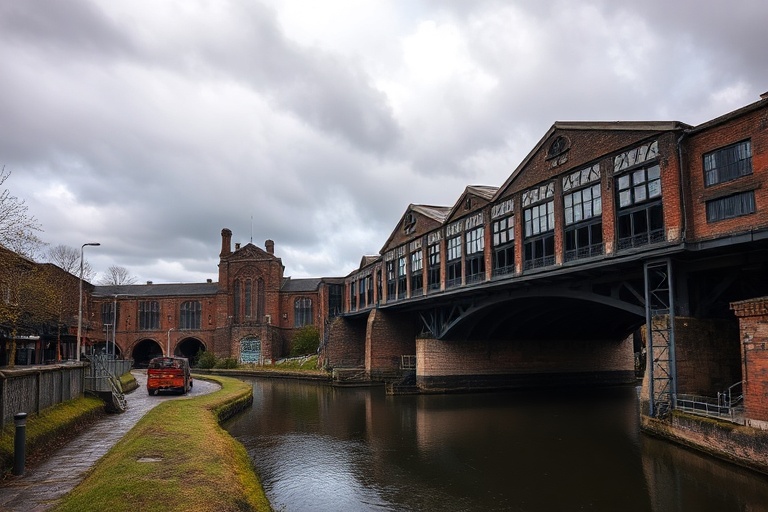
Tameside’s history is deeply rooted in the Industrial Revolution, a period that transformed the region from a collection of rural villages into a bustling hub of textile manufacturing and engineering. The Ashton Canal, completed in 1797, once served as a vital artery for transporting coal and goods, symbolizing the borough’s strategic importance. Today, remnants of this industrial past coexist with contemporary developments, creating a unique blend of old and new.
Globally, post-industrial regions like Tameside face the challenge of reinvention. As manufacturing declined in the 20th century, the borough had to adapt to a changing economic environment. This transition has not been without its struggles, but it has also opened doors to new opportunities in retail, leisure, and digital innovation. The rise of the entertainment sector, for instance, has seen Tameside become a cultural hotspot, hosting events that draw visitors from across the UK.
The Influence of Migration and Diversity in Tameside
Like many urban areas in the UK, Tameside has experienced significant demographic shifts over the past century. The arrival of South Asian communities in the 1960s and 1970s, particularly from Pakistan and Bangladesh, has left an indelible mark on the borough’s cultural fabric. These communities have not only enriched the local food scene—think of the vibrant curry houses in Stalybridge—but have also contributed to the social and political landscape.
Religious and cultural institutions have flourished as a result. Mosques, temples, and community centers serve as focal points for social cohesion, while festivals like Eid and Diwali are celebrated with enthusiasm. This multicultural dynamic is a microcosm of broader trends in the UK, where diversity is increasingly seen as a strength rather than a challenge. Tameside’s ability to integrate these influences while maintaining its distinct identity offers valuable lessons for other post-industrial regions grapanying similar transitions.
The borough’s educational institutions also reflect this diversity. Schools in Tameside often rank among the best in Greater Manchester for pupil progress, according to Ofsted reports. Programs that promote intercultural understanding are embedded in the curriculum, preparing young people for a globalized world. This focus on education aligns with the borough’s long-term strategy to foster social mobility and economic resilience.
Tameside’s Cultural and Recreational Scene: From Heritage to Modernity
Tameside’s cultural offerings extend far beyond its industrial past. The borough is home to several notable landmarks, including the Astley Green Colliery Museum, one of the few remaining coal mining museums in the country. This site offers a glimpse into the lives of miners who once powered the nation’s industries. Meanwhile, the Tameside Local Studies and Archives Centre preserves the borough’s history through documents, photographs, and oral histories, ensuring that future generations can connect with their roots.
For those seeking modern entertainment, Tameside does not disappoint. The Tameside Hippodrome, a Grade II-listed theatre, hosts a variety of performances, from musicals to comedy shows. Its restoration in the 1990s was a testament to the community’s commitment to preserving its cultural assets. The venue has since become a cornerstone of the local arts scene, attracting performers and audiences alike.
The borough also boasts an impressive array of green spaces. The 180-acre Dukinfield Park and the Tameside Canal Towpath provide residents and visitors with opportunities for leisure and exercise. These spaces are not just recreational; they play a crucial role in promoting mental well-being and fostering a sense of community. In an era where urbanization often leads to isolation, Tameside’s commitment to accessible public spaces is noteworthy.
Here’s a snapshot of Tameside’s key cultural and recreational attractions:
- Astley Green Colliery Museum: A historic mining museum that offers guided tours and educational programs.
- Tameside Hippodrome: A historic theatre hosting live performances, from plays to music concerts.
- Dukinfield Park: A sprawling green space perfect for picnics, sports, and family outings.
- Tameside Canal Towpath: A scenic route for walking, cycling, and enjoying nature.
- Local Studies and Archives Centre: A repository of Tameside’s history, open to researchers and the public.
The Economic Landscape: Challenges and Opportunities
Tameside’s economy has undergone significant transformations over the decades. The decline of traditional industries like textiles and coal mining forced the borough to diversify. Today, retail, healthcare, and logistics are among the top employment sectors. The Tameside Retail Park and Ashton Market are vital hubs for local commerce, while the Tameside Hospital serves as a major employer and healthcare provider.
However, economic challenges persist. Like many post-industrial areas, Tameside grapples with issues such as deprivation and unemployment. According to the latest data from the Office for National Statistics, Tameside’s unemployment rate remains slightly above the national average. Efforts to address this include initiatives to upskill the workforce and attract new businesses. The borough’s proximity to Manchester city center—just a short tram or train ride away—positions it well to benefit from the city’s economic growth.
The digital economy is another area of potential growth. Tameside has seen a rise in tech startups and remote working opportunities, particularly in the wake of the COVID-19 pandemic. Co-working spaces and digital hubs are emerging, catering to freelancers and entrepreneurs. This shift could redefine Tameside’s economic identity, moving it beyond its industrial roots and into a future driven by innovation and technology.
Local authorities and community groups are also focusing on sustainable development. Projects like the Tameside Sustainable Housing Initiative aim to improve energy efficiency in homes, reducing carbon footprints and lowering living costs. These initiatives align with broader environmental goals, demonstrating Tameside’s commitment to a greener future.
A Borough on the Rise: Looking to the Future
Tameside may not always grab headlines, but its quiet evolution offers a compelling narrative of resilience and adaptation. The borough’s ability to balance its industrial heritage with modern aspirations is a testament to its character. As Greater Manchester continues to grow as a global city, Tameside is carving out its own niche, whether through cultural preservation, economic innovation, or community-driven initiatives.
Looking ahead, several key priorities will shape Tameside’s trajectory. First, continued investment in education and skills training will be critical to ensuring that residents are prepared for the jobs of tomorrow. Second, the borough must build on its cultural strengths, further developing its arts and entertainment scene to attract tourism and investment. Finally, sustainable development must remain at the forefront, ensuring that Tameside grows in a way that is both economically viable and environmentally responsible.
For those who call Tameside home, the borough represents more than just a place on the map. It is a community that has weathered economic storms, embraced diversity, and fostered creativity. As the world continues to change, Tameside stands ready to meet the challenges—and seize the opportunities—that lie ahead.