Subaru Outback Sales Expected to Drop in 2026: Key Factors and Implications
The Subaru Outback has long been a staple of the rugged wagon segment, prized for its blend of practicality and adventure-ready design. But industry analysts are forecasting a notable decline in sales for 2026. This shift isn’t happening in a vacuum—it reflects broader changes in consumer preferences, economic pressures, and evolving automotive trends. As automakers adapt to shifting demand, the Outback’s traditional appeal may face new challenges.
Why Analysts Are Predicting a Decline in Outback Sales
Several interconnected factors are contributing to the projected drop in Subaru Outback sales for 2026. First, the SUV market continues to dominate, with crossovers and traditional SUVs accounting for a growing share of consumer purchases. The Outback, while technically classified as a wagon, competes in a segment that has seen declining interest among younger buyers.
Automotive data firm Edmunds highlights that wagon sales have fallen by nearly 30% over the past five years. The Outback’s boxy design, once a selling point, now feels outdated to some consumers who prefer the sleek profiles of modern SUVs. Additionally, rising interest rates have made larger vehicle purchases less affordable, pushing buyers toward smaller, more economical options.
Subaru’s own product lineup may also play a role. The introduction of the all-electric Solterra and the redesigned Forester could divert attention—and budget—away from the Outback. While the Forester appeals to families needing space, its rugged styling overlaps with Outback’s positioning, creating internal competition.
Key Factors Contributing to the 2026 Sales Decline
- Market Shift to SUVs: Crossovers now account for over 50% of new vehicle sales in the U.S., siphoning demand from wagons.
- Economic Pressures: Higher borrowing costs reduce affordability for mid-size vehicles like the Outback.
- Changing Consumer Preferences: Younger buyers prioritize tech features and fuel efficiency over traditional wagon utility.
- Internal Competition: Subaru’s own Forester and Solterra may cannibalize Outback sales.
- Design Evolution: The Outback’s retro-inspired look no longer aligns with modern automotive aesthetics.
Subaru’s Response: Can the Outback Adapt?
Subaru has built its brand on reliability, all-wheel drive capability, and outdoor-oriented appeal—all strengths that the Outback embodies. However, the company faces a critical juncture. To counter the projected sales decline, Subaru may need to rethink the Outback’s positioning, pricing, or even its fundamental design.
One potential strategy is leaning harder into the Outback’s adventure credentials. Subaru already markets the vehicle with slogans like “Built to Go,” but expanding this theme with off-road packages or integrated camping solutions could attract buyers seeking escapism without the bulk of an SUV. The recently introduced Outback Wilderness trim is a step in this direction, offering lifted suspension and all-terrain tires.
Another angle is electrification. While the Solterra targets a different audience, a hybrid Outback could bridge the gap between traditional buyers and eco-conscious consumers. Rumors of a plug-in hybrid Outback for 2025 suggest Subaru is exploring this path. However, timing will be crucial—consumers are increasingly skeptical of electric vehicles due to charging infrastructure concerns and higher upfront costs.
The Broader Implications for the Wagon Segment
The Outback’s struggles reflect a larger crisis for wagons in the U.S. market. Once a dominant force in the 1990s and early 2000s, wagons have been steadily edged out by SUVs, which offer higher seating positions, greater cargo versatility, and perceived safety advantages. Even automakers like Volvo, which built its reputation on wagons, have pivoted to SUVs.
Globally, wagons remain popular in Europe and Japan, where fuel efficiency and urban practicality are prioritized. But in the U.S., the segment’s decline seems irreversible without a major shift in consumer sentiment. The Outback’s resilience until now has been due to its unique blend of car-like handling and SUV-like ruggedness, but that balance may no longer be enough.
For Subaru, the stakes are high. The Outback is one of the brand’s top-selling models, contributing significantly to its revenue and market presence. A sustained drop in sales could force Subaru to reconsider its entire product strategy, potentially accelerating its transition to electric vehicles or further expanding its SUV lineup.
What This Means for Buyers and the Used Market
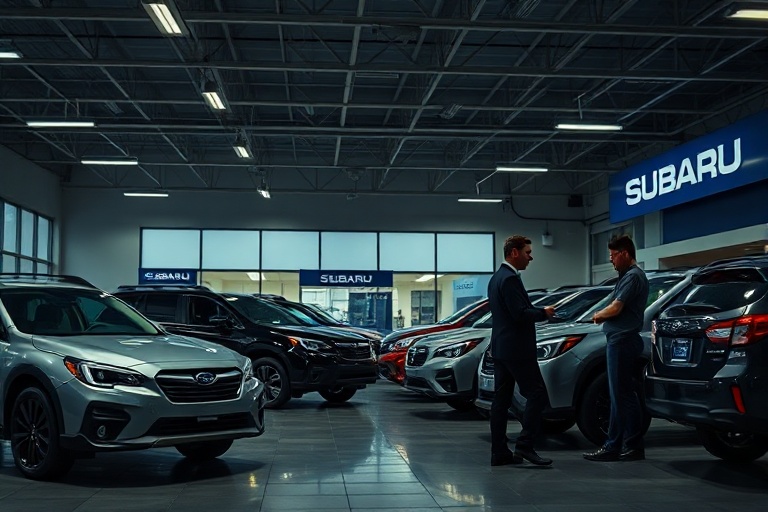
For consumers eyeing an Outback purchase, the projected sales dip could translate into better deals. Dealerships may offer deeper discounts or incentives to clear inventory, particularly as 2026 models approach. Additionally, the used Outback market could see increased supply, providing budget-conscious buyers with more options.
However, long-term ownership considerations are also worth noting. Subaru’s reputation for durability remains strong, but if the Outback’s sales decline accelerates, resale values could soften. Buyers should weigh whether the Outback’s current strengths—such as its standard all-wheel drive and safety ratings—justify the purchase, even as the model faces an uncertain future.
For enthusiasts and outdoor adventurers, the Outback’s potential downsizing could be a concern. The Wilderness trim has carved out a niche for overlanding enthusiasts, but a broader retreat from the wagon segment might leave fewer options for those who prioritize cargo space and fuel efficiency over SUV versatility.
Should You Buy an Outback in 2025 or Wait?
- Buy Now If: You prioritize AWD capability, safety features, and Subaru’s reliability. Current deals may offer significant savings.
- Wait If: You’re eyeing a hybrid or electric Outback—Subaru’s next-gen models may address efficiency concerns.
- Consider Alternatives: The Forester or even non-Subaru crossovers like the Honda CR-V may offer similar practicality with fresher designs.
- Monitor Resale Values: If sales drop sharply, used Outbacks could become more affordable, but long-term depreciation may increase.
Looking Ahead: The Future of the Outback
The Subaru Outback’s role in the automotive landscape is at a crossroads. While the 2026 sales dip is a cause for concern, it also presents an opportunity for Subaru to redefine the model’s purpose. Whether through electrification, adventure-focused trims, or a radical redesign, the company must act decisively to retain the Outback’s relevance.
For now, the Outback remains a compelling choice for those who value its unique blend of comfort and capability. But the clock is ticking. As consumer tastes evolve and competitors adapt, Subaru’s iconic wagon may need to transform—or risk fading into automotive history.
One thing is certain: the story of the Outback’s decline (or reinvention) will be a telling case study in how even the most beloved vehicles must adapt to survive in an ever-changing market.