Flood Watch: What It Means and How to Prepare
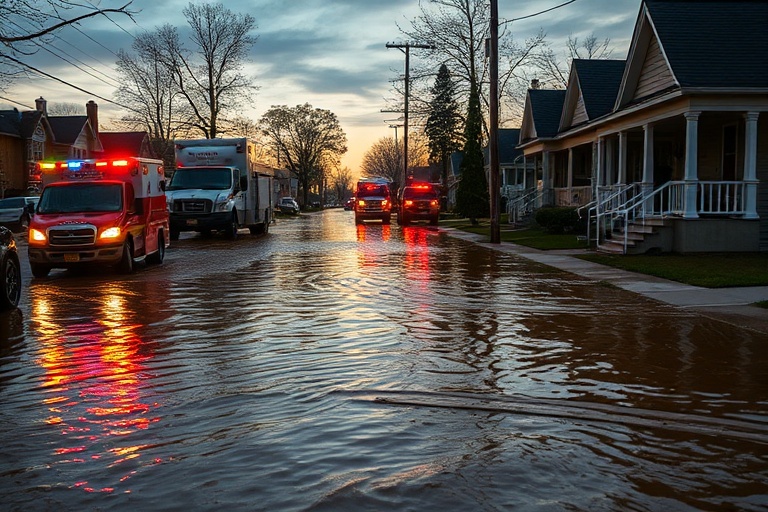
Flood watches are issued by the National Weather Service when conditions are favorable for flooding to develop. These alerts serve as early warnings, giving communities time to prepare before rising waters become a threat. Unlike flood warnings, which indicate imminent flooding, a watch signals potential danger within the next 36 hours. This distinction is critical for residents and local authorities to understand as they decide whether to take proactive steps.
Flooding remains one of the most frequent and costly natural disasters in the United States, causing billions in damages annually. According to the National Flood Insurance Program, just one inch of water can cause up to $25,000 in damage to a home. The financial and emotional toll underscores why flood watches deserve serious attention, even when conditions seem uncertain.
How Flood Watches Are Issued
The National Weather Service (NWS) uses a combination of meteorological data, river gauges, and computer models to determine when a flood watch should be issued. Forecasters analyze factors such as prolonged rainfall, snowmelt, saturated soil, and ground conditions that prevent absorption. When multiple indicators suggest a heightened risk, the NWS elevates the alert from a flood advisory to a watch. This process is not arbitrary—it follows strict criteria defined in the NWS Operations Handbook.
There are two types of flood watches:
- Flash Flood Watch: Issued when heavy rainfall could trigger sudden flooding in low-lying areas, urban environments, or small streams. These events develop rapidly, often within minutes to hours.
- River Flood Watch: Applies when rising river levels or stream flows may exceed flood stage due to sustained rainfall, snowmelt, or ice jams. These floods develop more slowly but can last days or weeks.
Forecasters also consider geographic vulnerabilities. Areas with poor drainage, recent wildfires, or urban development are more prone to flooding. For example, burn scars from wildfires can lead to debris flows when heavy rain falls on unstable soil. Understanding these local factors helps communities interpret watches more effectively.
What to Do When a Flood Watch Is Active
Receiving a flood watch means it’s time to prepare—not panic. The first step is to stay informed. Sign up for local emergency alerts, monitor the NWS website, and follow trusted local news outlets. Avoid relying solely on social media for real-time updates, as misinformation can spread quickly during severe weather events.
Residents should take several key actions:
- Prepare an emergency kit: Include water, non-perishable food, flashlights, batteries, a first-aid kit, and copies of important documents. A portable charger and battery-powered radio are also essential.
- Review evacuation routes: Know the safest and quickest paths out of flood-prone areas. Practice the route with family members, especially if children or elderly relatives are involved.
- Protect property: Move valuables to higher floors or secure them in waterproof containers. Elevate outdoor equipment, and consider installing sandbags or flood barriers if time allows.
- Check on neighbors: Vulnerable individuals, such as the elderly or disabled, may need assistance preparing or evacuating. Offer help if it’s safe to do so.
It’s also wise to review your insurance coverage. Standard homeowners’ insurance policies typically do not cover flood damage. However, flood insurance through the National Flood Insurance Program (NFIP) can provide protection. Policies often take 30 days to go into effect, so waiting until a watch is issued is often too late.
The Broader Impact of Flood Watches on Communities
Beyond individual preparedness, flood watches have ripple effects across entire regions. Local governments activate emergency response plans, which may include road closures, school cancellations, or sandbag distribution centers. Emergency services prepare for potential rescues, especially in areas with a history of flooding.
Economically, flood watches can disrupt businesses, transportation, and supply chains. Ports, highways, and airports may delay operations due to safety concerns. Farmers face losses when fields become waterlogged, and small businesses in flood-prone areas may experience downturns during extended watches. The financial strain can last long after the water recedes.
Public health is another critical concern. Floodwaters can contaminate drinking water, damage sewage systems, and create breeding grounds for mosquitoes carrying diseases like West Nile virus. The Centers for Disease Control and Prevention (CDC) warns that floodwaters may contain harmful bacteria, chemicals, or even biohazards from overflowing septic systems. Avoiding contact with floodwater is strongly advised.
Climate change is intensifying the frequency and severity of flood watches. According to a 2023 report from the NOAA Climate Program Office, heavy rainfall events have increased by 20% in the U.S. over the past decade. Warmer temperatures lead to more evaporation, which in turn produces heavier downpours. This trend means communities must adapt their flood preparedness strategies to a changing environment.
Myths and Misconceptions About Flood Watches
Despite their importance, flood watches are often misunderstood. One common myth is that a watch means flooding is guaranteed. In reality, it only indicates a heightened risk. Weather patterns can shift, and not every watch results in flooding. However, ignoring a watch can be dangerous, as conditions can change rapidly.
Another misconception is that only coastal or river-adjacent areas are at risk. Flash floods can occur in deserts, urban canyons, and even areas far from water sources. In 2015, a flash flood in Hildale, Utah, killed 20 people after heavy rain overwhelmed a narrow slot canyon. This tragedy highlights the need for vigilance regardless of geography.
A third myth is that sandbags alone can prevent all flood damage. While sandbags are useful for redirecting water, they are not foolproof. Improperly stacked sandbags can fail, and water can seep underneath. They should be part of a broader flood defense strategy, not the only line of defense.
Finally, some believe that flood watches are only relevant during hurricane season. While hurricanes often trigger watches, flooding can happen year-round due to rapid snowmelt, ice jams, or stalled weather systems. The 2021 floods in Germany and Belgium, which occurred in July, demonstrated how flooding can strike outside traditional peak seasons.
Conclusion: Staying Ahead of the Water
Flood watches are more than just weather alerts—they are lifelines that provide critical time to prepare. Understanding the difference between a watch and a warning, knowing local flood risks, and taking proactive steps can save lives and property. As climate patterns evolve, communities must remain vigilant and adapt their preparedness strategies accordingly.
Technology is playing an increasingly important role in flood prediction and response. Real-time data from weather stations, river gauges, and satellite imagery allow forecasters to issue watches with greater accuracy. Apps like FEMA’s Ready.gov provide location-based alerts, helping residents stay informed even when they’re on the go.
Ultimately, flood watches remind us that nature’s power is unpredictable, but human preparedness is not. By respecting the alerts, taking action early, and supporting one another, communities can weather the storm—before the water rises.