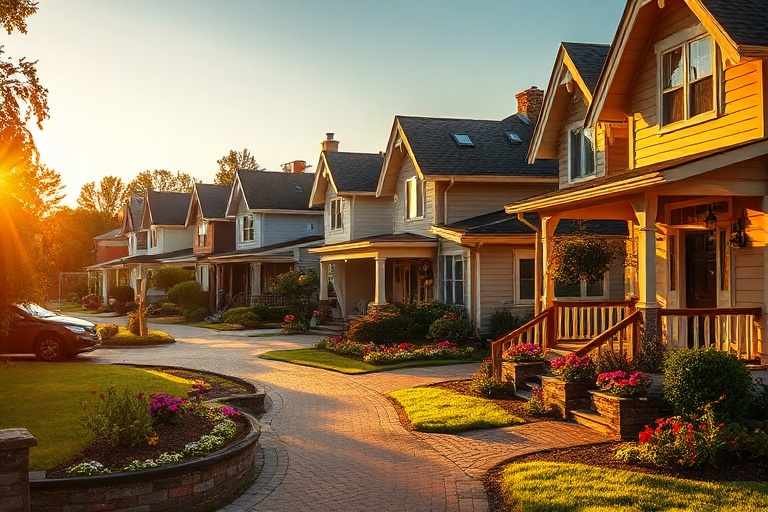
Houses: Design, Cost, and the Future of Home in 2024
The house stands as one of humanity’s most enduring achievements—a structure that evolves with every generation while retaining its core purpose: shelter. From the timber-framed cottages of medieval Europe to the sleek, solar-paneled homes of today, houses reflect cultural values, technological progress, and individual identity. They are not merely buildings but living spaces that shape daily routines, family bonds, and even mental well-being.
Globally, housing styles vary dramatically. In Japan, compact urban homes maximize limited space with multi-functional rooms and sliding partitions. Meanwhile, in sprawling American suburbs, single-family houses often feature open-plan layouts and expansive backyards. These differences highlight how geography, economics, and lifestyle influence architectural choices. Understanding these variations offers insight into how houses do more than protect—they define communities.
The Evolution of Housing Design: Function Meets Aesthetic
Housing design has undergone remarkable transformations over centuries. In the 19th century, industrialization enabled mass-produced building materials like steel and glass, paving the way for urban apartment buildings. The early 20th century saw the rise of mid-century modernism, characterized by clean lines, large windows, and integration with nature—a movement led by architects like Frank Lloyd Wright.
Today, sustainability drives innovation. Passive housing, which uses super insulation and heat recovery systems, can reduce energy consumption by up to 90% compared to conventional homes. Materials like cross-laminated timber (CLT) are gaining popularity for their low carbon footprint and strength. Even rooftop gardens and rainwater harvesting systems are becoming standard in eco-conscious developments.
Smart home technology has also reshaped how we interact with our living spaces. Systems controlled via smartphone apps can adjust lighting, temperature, and security remotely. Voice-activated assistants like Alexa or Google Home have made homes more responsive to daily needs. These advancements suggest a future where houses are not only shelters but intelligent partners in daily life.
Key Features of Modern Sustainable Homes
- Passive solar design: Strategic window placement and thermal mass materials reduce heating and cooling needs.
- Renewable energy integration: Solar panels, wind turbines, or geothermal systems lower reliance on fossil fuels.
- Water efficiency: Low-flow fixtures, greywater recycling, and drought-resistant landscaping conserve resources.
- Non-toxic materials: Paints, insulation, and flooring made from natural or recycled sources improve indoor air quality.
Cultural Identity and the House: A Reflection of Who We Are
A house is often a canvas for personal and cultural expression. In Mediterranean regions, whitewashed walls and terracotta roofs not only reduce heat absorption but also create a Mediterranean aesthetic that feels timeless. In contrast, Scandinavian homes prioritize minimalism and natural light, with neutral color palettes and functional furniture—reflecting a cultural emphasis on simplicity and connection to nature.
Religious and social customs also shape housing. The open courtyard design of Middle Eastern homes provides privacy while allowing airflow, a necessity in arid climates. In India, the concept of “vastu shastra” guides architectural choices to align with cosmic energy, influencing everything from room placement to the direction of entryways.
Even in urban environments, houses can serve as cultural symbols. Row houses in Philadelphia or brownstones in Brooklyn are not just homes; they represent neighborhood identity and historical continuity. Preserving these structures often becomes a community effort, balancing modernization with heritage conservation.
Financial Realities: The Cost of Homeownership in the 21st Century
Owning a house remains a cornerstone of the American Dream, yet affordability has become a major challenge. In cities like San Francisco and New York, median home prices exceed $1 million, pricing out many middle-class families. Rising interest rates and limited inventory further complicate the market, pushing potential buyers toward alternative housing models.
One solution gaining traction is co-housing, where private residences are supplemented by shared spaces like kitchens, gardens, and workshops. This model reduces costs and fosters community. Another option is tiny homes, which typically range from 100 to 400 square feet and can be built for as little as $30,000. While not suitable for everyone, tiny homes offer financial freedom and a minimalist lifestyle.
Renting is also evolving. Some cities now offer “rent-to-own” programs, allowing tenants to build equity over time. Others are experimenting with modular housing, where pre-fabricated units are assembled on-site, cutting construction costs by up to 30%. These innovations reflect a growing demand for flexibility in an unpredictable housing market.
Regional Housing Market Insights (2024)
- Sun Belt cities (e.g., Austin, Phoenix): High demand due to climate and lower taxes, but rising insurance costs are a concern.
- Rust Belt cities (e.g., Detroit, Cleveland): Affordable prices attract remote workers, though aging infrastructure remains an issue.
- Coastal cities (e.g., Seattle, Boston): Strict zoning laws limit supply, driving prices upward despite high salaries.
- Rural areas: Lower costs but fewer amenities; remote work has increased appeal for those seeking space and quiet.
The Future of Housing: Innovation and Adaptation
The next decade will likely see houses become more adaptable, modular, and responsive to environmental and social needs. 3D-printed homes, already being tested in Texas and Europe, can be built in days for a fraction of traditional costs. These structures use concrete or clay mixtures and can be customized to individual specifications.
Aging populations are also driving demand for accessible housing. Features like zero-step entries, wider doorways, and smart home systems that assist with mobility are becoming standard in new developments. These designs ensure that homes remain livable as residents age, reducing the need for costly renovations or relocations.
Climate change is another critical factor. Coastal homes in Florida and Louisiana face increasing flood risks, prompting the development of amphibious houses that float during storms. In wildfire-prone areas like California, fire-resistant materials and defensible space regulations are becoming mandatory. These adaptations highlight the urgent need for resilient housing solutions.
Ultimately, the house of the future may look nothing like the houses of today. It could be a self-sustaining pod, a repurposed shipping container, or a multi-generational dwelling designed for flexibility. What remains constant is the fundamental role of the house as a place of safety, identity, and belonging.
Conclusion: Why Houses Matter More Than Ever
Houses are more than physical structures—they are repositories of memory, symbols of status, and engines of economic activity. They shape how we live, work, and connect with others. As societal needs evolve, so too must the design and function of our homes. Whether through sustainability, affordability, or technological integration, the houses of tomorrow will continue to reflect the values and challenges of their time.
For those considering a move or a renovation, the key is to prioritize both immediate needs and long-term adaptability. A well-designed house should not only meet current demands but also anticipate future changes—whether in family size, climate conditions, or lifestyle preferences. In an era of rapid transformation, the house remains our most personal and enduring investment.
For further reading on housing trends, explore our Trending and Analysis sections.