Gorton School Lockdown: A Community Responds
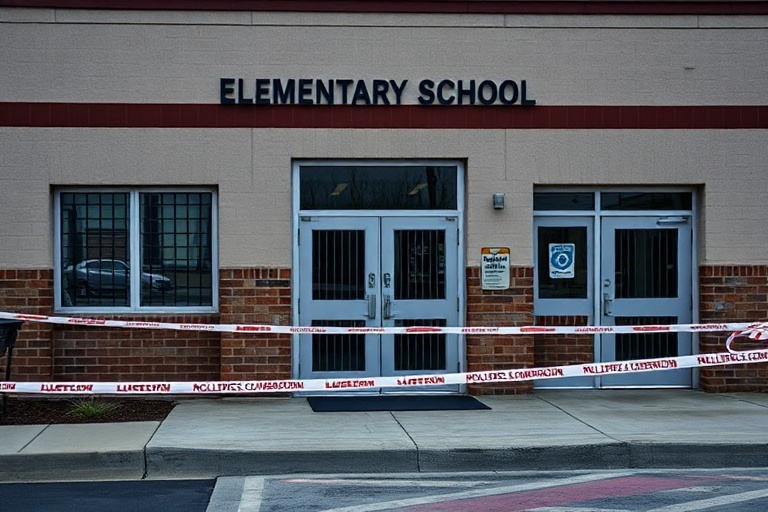
The morning of October 12, 2023, began like any other at Gorton High School in Hamilton, Ohio. Students filed into classrooms, teachers prepared lesson plans, and the usual hum of school life filled the halls. By 8:45 a.m., however, the scene had shifted dramatically. A lockdown was initiated following reports of an armed individual near the campus. What followed was a tense, hours-long standoff that tested the preparedness of local law enforcement, the resilience of the school community, and the broader conversation about school safety in the United States.
Lockdowns are no longer an anomaly in American schools. Since the 1999 tragedy at Columbine High School, such incidents have become an unsettling part of the educational landscape. Gorton’s lockdown, while resolved without casualties, underscored the persistent challenge of balancing security with normalcy in public institutions. The event also reflected a global trend, where schools worldwide grapple with threats ranging from active shooter situations to cyber intrusions disrupting digital learning environments.
The Immediate Response: Lockdown Procedures in Action
Within minutes of the lockdown alert, Gorton High School’s staff executed the district’s emergency protocol. Classroom doors were locked, lights were turned off, and students were directed to barricade themselves in place. The swiftness of the response highlighted the school’s commitment to training—teachers had participated in active shooter drills just months earlier. According to Hamilton City Schools Superintendent Tony Orr, “Our staff demonstrated the kind of preparedness that comes from years of refining our emergency plans.”
Local law enforcement, including the Hamilton Police Department and the Butler County Sheriff’s Office, responded with a perimeter lockdown around the school. SWAT teams were deployed, and negotiations with the suspect began. By 11:30 a.m., the individual surrendered peacefully, and students were safely evacuated. The entire ordeal lasted nearly three hours, a duration that tested the nerves of parents waiting outside the police cordon and the emotional resilience of the students and staff inside.
Such responses are now standard in many U.S. school districts, but the approach varies globally. In Finland, for example, schools emphasize “soft lockdowns” where students remain in classrooms but continue learning, prioritizing psychological safety over rigid isolation. Meanwhile, in Australia, schools often conduct lockdown drills in collaboration with local emergency services, blending real-world scenarios with community engagement. Gorton’s experience, though harrowing, reflects a broader American model—one that prioritizes rapid containment and tactical intervention.
Community and Psychological Impact: Beyond the Headlines
The lockdown’s resolution did not mark the end of its impact. For the students, many of whom had only recently returned to full-time in-person learning after years of pandemic-era hybrid education, the event reopened wounds tied to collective trauma. Psychologists warn that repeated exposure to lockdown drills and real incidents can lead to heightened anxiety, particularly among younger students. Dr. Elena Martinez, a child psychologist based in Cincinnati, noted, “Children process these events through the lens of their own safety. Even if they’re physically unharmed, the psychological footprint can linger for weeks or months.”
Parents, too, were left grappling with questions. Social media platforms lit up with demands for greater transparency from school administrators. Some questioned whether the lockdown protocols had been adequate, while others criticized the district for not providing timely updates during the standoff. The incident became a flashpoint in local debates about school safety funding, mental health resources, and the role of police in schools. These conversations are not unique to Hamilton; similar debates have erupted in districts from Chicago to Los Angeles, where parents and policymakers clash over the balance between security measures and educational environments.
The cultural context of school safety extends beyond the U.S. In countries like New Zealand, where gun violence is rare, lockdown drills are less common but still practiced as precautionary measures. In contrast, nations like the United Kingdom have shifted toward “secure schools” models, where buildings are designed with fortress-like features such as reinforced entry points and surveillance systems. Gorton’s lockdown serves as a case study in how communities worldwide are adapting—or struggling to adapt—to an era where the specter of violence is no longer confined to distant headlines.
Policy and Prevention: Where Do We Go From Here?
The aftermath of the Gorton lockdown has reignited calls for systemic changes in school safety policies. Advocacy groups like Everytown for Gun Safety have long pushed for measures such as universal background checks, red flag laws, and increased funding for mental health programs in schools. On the local level, Hamilton City Schools has pledged to review its emergency protocols, with a focus on improving communication with families during crises. Superintendent Orr stated, “We must ensure that our response is not just reactive but proactive—addressing the root causes of violence while strengthening our defenses.”
Yet, the path forward is fraught with challenges. Funding constraints often limit the implementation of advanced security systems, such as AI-powered threat detection or bulletproof barriers. Moreover, the debate over arming teachers or increasing police presence in schools remains deeply divisive. A 2022 Pew Research Center survey found that 44% of Americans support arming teachers, while 54% oppose it—a statistic that reflects the polarized nature of the issue. Gorton’s experience highlights the need for nuanced solutions that prioritize both safety and inclusivity.
Globally, countries are experimenting with alternative approaches. In Sweden, schools have adopted “quiet lockdowns,” where students remain in classrooms with minimal disruption to their routines. In Canada, some provinces have integrated threat assessment teams that include social workers and mental health professionals alongside law enforcement. These models suggest that the future of school safety may lie not in militarizing institutions but in fostering environments where prevention and community support take precedence.
Lessons Learned and the Road Ahead
The Gorton school lockdown is a reminder that safety in educational settings is not a static achievement but an ongoing process. It demands vigilance, adaptability, and a willingness to confront uncomfortable truths about violence in society. For the students who lived through it, the event may become a defining moment—one that shapes their understanding of risk, resilience, and responsibility. For the community, it is a call to action, urging collaboration between educators, parents, policymakers, and law enforcement to create environments where learning can flourish without fear.
As schools across the country reassess their safety plans in the wake of Gorton’s ordeal, one thing is clear: there are no easy answers. Yet, by examining this incident through a global lens—comparing responses, sharing best practices, and prioritizing the well-being of students—communities can move closer to a future where lockdowns are the exception rather than the rule.
How to Support Affected Communities
For those looking to contribute to the recovery and resilience of schools like Gorton, several avenues exist:
- Donate to local organizations: Groups such as the Hamilton Community Foundation provide grants for school safety initiatives and mental health resources.
- Advocate for policy changes: Contact local representatives to support legislation that addresses gun violence prevention and school security funding.
- Volunteer with youth programs: Organizations like Big Brothers Big Sisters offer mentorship opportunities that can help students process traumatic events.
- Promote mental health awareness: Schools and communities can partner with organizations like the National Alliance on Mental Illness (NAMI) to provide resources and support.
The road to recovery is long, but it is one that communities can walk together—learning from each other’s experiences and building a safer future for all students.