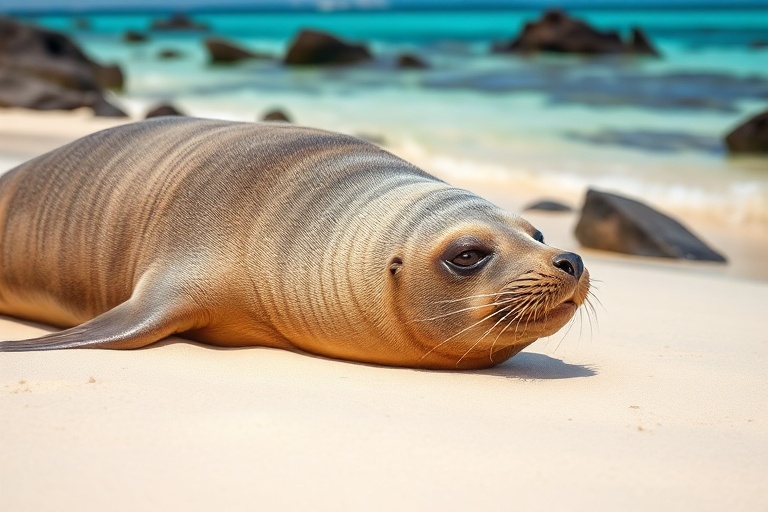
hawaiian monk seal
The Hawaiian monk seal is one of the most unique and endangered marine mammals in the world. Found exclusively in the Hawaiian Islands, this solitary creature faces numerous threats that have pushed its population to critically low levels. With fewer than 1,500 individuals remaining, conservation efforts have become increasingly urgent. This article explores the biology, habitat, threats, and conservation strategies surrounding this remarkable species.
Biological Characteristics and Behavior
The Hawaiian monk seal (Neomonachus schauinslandi) is one of only two remaining monk seal species in the world. Unlike its Caribbean cousin, which is likely extinct, the Hawaiian monk seal has survived in the remote and relatively undisturbed waters of the Hawaiian archipelago. Adults typically weigh between 375 to 500 pounds, with males being slightly smaller than females. Their sleek, silver-gray bodies are adapted for a life spent mostly in the ocean, though they haul out onto beaches to rest, molt, and give birth.
These seals are known for their distinct behaviors. They are solitary animals, except during mating season or when mothers care for their pups. Hawaiian monk seals can dive to depths of over 1,800 feet in search of food, primarily consuming fish, eels, octopus, and crustaceans. Their lifespan in the wild averages around 25 to 30 years, though human-induced threats often cut their lives short.
One of the most fascinating aspects of their biology is their delayed implantation. After mating, the fertilized egg does not immediately attach to the uterine wall. Instead, it floats in a state of suspended development for up to three months before implanting and beginning gestation. This adaptation allows the seals to time the birth of their pups to coincide with favorable environmental conditions.
Habitat and Range
The Hawaiian monk seal is endemic to the Hawaiian Islands, meaning it is found nowhere else on Earth. Its range extends across the entire archipelago, from the main Hawaiian Islands in the east to the remote Northwestern Hawaiian Islands (NWHI), particularly the atolls and islands managed by the Papahānaumokuākea Marine National Monument. This vast area includes six major island groups: Kure Atoll, Midway Atoll, Laysan Island, Lisianski Island, Pearl and Hermes Reef, and French Frigate Shoals.
Within this range, monk seals exhibit different habitat preferences. The main Hawaiian Islands, particularly the less populated islands like Niʻihau and Kauaʻi, have become increasingly important as seals expand their range due to overcrowding and limited resources in the NWHI. The main islands offer more food sources and less disturbance from human activity, though they also present new challenges such as entanglement in fishing gear and interactions with humans.
French Frigate Shoals, the largest atoll in the NWHI, historically supported the largest population of Hawaiian monk seals. However, rising sea levels and erosion have reduced the available habitat, forcing seals to seek alternative resting sites. This shift has placed additional pressure on conservation teams to monitor and protect both traditional and new haul-out sites.
Threats to Survival
The Hawaiian monk seal faces a multitude of threats, many of which are directly or indirectly caused by human activity. These threats have contributed to the species being listed as endangered under the U.S. Endangered Species Act since 1976 and critically endangered by the International Union for Conservation of Nature (IUCN). Below are the primary challenges this species encounters:
- Entanglement and Debris: One of the most significant threats to Hawaiian monk seals is entanglement in marine debris, particularly discarded fishing nets and plastic. These entanglements can lead to severe injuries, infections, or drowning. The remote nature of the NWHI makes cleanup efforts difficult, though organizations like NOAA and local volunteers regularly conduct debris removal campaigns.
- Fisheries Interactions: While monk seals primarily feed on fish and invertebrates, they sometimes get caught in fishing gear, such as gillnets and lobster traps. These interactions can result in injury or death. Additionally, competition with fisheries for food resources may impact the seals’ ability to find adequate nutrition.
- Habitat Loss: Rising sea levels, coastal erosion, and storm surges threaten the sandy beaches and low-lying atolls where monk seals haul out to rest and breed. As these habitats shrink, seals are forced to compete for space, increasing stress and the risk of disease transmission.
- Human Disturbance: In the main Hawaiian Islands, increasing human activity near haul-out sites can disrupt seals, causing them to abandon critical resting areas. Even well-meaning tourists can inadvertently stress seals by getting too close, especially during pupping season.
- Predation and Disease: Sharks are natural predators of monk seals, particularly pups. Additionally, the introduction of invasive species to some islands has led to increased predation risks. Disease outbreaks, often exacerbated by crowded or unsanitary conditions in haul-out sites, also pose a significant threat.
The combination of these threats has resulted in a declining population trend. While some areas, such as French Frigate Shoals, have seen modest population growth due to conservation efforts, other regions continue to struggle. The overall population has decreased by about 50% over the past three generations, underscoring the urgent need for intervention.
Conservation Efforts and Success Stories
Despite the challenges, there have been notable successes in the conservation of Hawaiian monk seals. These efforts involve collaboration between federal agencies, non-profits, and local communities. One of the most critical initiatives is the Hawaiian Monk Seal Recovery Program, led by NOAA Fisheries and the U.S. Fish and Wildlife Service. This program focuses on several key strategies to protect and recover the species:
- Monitoring and Research: Scientists closely monitor monk seal populations through aerial surveys, tagging, and health assessments. Research helps identify critical habitats, track population trends, and understand the impacts of environmental changes. For example, researchers use satellite tags to study the seals’ diving behavior and movement patterns.
- Debris Removal and Habitat Restoration: Organizations such as the Hawaii Wildlife Fund and NOAA conduct regular debris removal operations in the NWHI. These efforts not only reduce entanglement risks but also restore critical habitats. Additionally, shoreline stabilization projects help combat erosion and protect haul-out sites.
- Community Engagement and Education: Local communities play a vital role in monk seal conservation. Educational programs, such as those offered by Dave’s Locker, raise awareness about the species and promote responsible behavior around seals. Volunteers also participate in beach cleanups and seal monitoring programs.
- Veterinary Care and Rehabilitation: When monk seals are injured or sick, they often receive care at the Ke Kai Ola monk seal hospital in Kona, operated by The Marine Mammal Center. Since its opening in 2014, Ke Kai Ola has rehabilitated and released dozens of seals, including critically ill pups. The hospital also conducts research to improve medical treatments for monk seals.
- Policy and Advocacy: Conservation groups advocate for policies that protect monk seals and their habitats. This includes pushing for stricter regulations on fishing gear, reducing plastic pollution, and addressing climate change impacts. The designation of the Papahānaumokuākea Marine National Monument has been a crucial step in safeguarding the seals’ remote habitats.
One particularly inspiring success story is the recovery of the monk seal population at Laysan Island. In the early 2000s, the population was declining due to food limitations and low pup survival rates. Conservationists implemented a program to supplement the seals’ diet with fish, which led to a significant increase in pup survival. This intervention demonstrated that targeted conservation efforts can yield positive results, even in the face of daunting challenges.
How the Public Can Help
Protecting the Hawaiian monk seal requires collective effort. While conservation professionals lead the charge, individuals can make a meaningful difference. Here are several ways the public can contribute to the survival of this endangered species:
- Reduce Marine Debris: Participate in beach cleanups or support organizations that remove debris from the ocean. Avoid single-use plastics and properly dispose of fishing gear to prevent entanglement risks.
- Respect Wildlife: If you encounter a monk seal on the beach, maintain a safe distance of at least 150 feet. Never attempt to touch, feed, or move a seal, as this can cause stress or injury. Observe from a distance and use binoculars or a camera with a zoom lens to get a closer look.
- Support Conservation Organizations: Donate to or volunteer with groups like The Marine Mammal Center, Hawaii Wildlife Fund, or NOAA’s Monk Seal Program. Your contributions help fund critical research, rehabilitation, and habitat restoration projects.
- Stay Informed and Advocate: Follow updates from conservation organizations and share their work on social media to raise awareness. Advocate for policies that protect marine ecosystems and reduce human impacts on monk seals.
- Choose Sustainable Seafood: Support fisheries that use sustainable practices and avoid those that pose risks to monk seals. Look for seafood certified by organizations like the Marine Stewardship Council.
The Hawaiian monk seal is a symbol of resilience and a vital part of Hawaii’s natural heritage. Its survival depends on the actions we take today to address the threats it faces. By combining scientific innovation, community engagement, and responsible stewardship, there is hope that this unique species will continue to thrive in the waters of the Hawaiian Islands for generations to come.
For those interested in learning more about marine conservation and other endangered species, explore additional resources on Dave’s Locker.