Hermannstadt and FCSB: Two Sides of Romania’s Football Identity
The clash between Hermannstadt and FCSB is more than just a football match; it’s a collision of philosophies, histories, and fan cultures that define Romanian football. Hermannstadt, the Transylvanian underdog, represents the modern, resourceful approach to the game. FCSB, once known as Steaua Bucharest, embodies the legacy of Romanian football’s golden era. Their encounters on the pitch are not merely sporting events but cultural touchpoints that reflect the broader narrative of Romanian society.
Founded in 2015, Hermannstadt was born from the merger of two local clubs, quickly rising through the ranks to become a symbol of regional pride. FCSB, on the other hand, traces its roots back to 1947 and carries the weight of Romania’s most successful club, with 26 league titles and a historic European Cup victory in 1986. The contrast between the two clubs extends beyond their histories—it’s visible in their playing styles, their fan bases, and their ambitions.
The Playing Styles: Pragmatism vs. Tradition
Hermannstadt’s football is often described as pragmatic and disciplined. Under the guidance of manager Eugen Trică, the team has developed a reputation for tactical flexibility, capable of grinding out results even against stronger opponents. Their style is rooted in defensive solidity, quick transitions, and exploiting set-pieces, a reflection of the club’s modest budget and focus on efficiency over flair.
FCSB, meanwhile, has long been associated with a more traditional, possession-based approach. The club’s philosophy has evolved over the decades, from the defensive mastery of former manager Emerich Jenei to the high-pressing systems of more recent years. FCSB’s style is often about dominating the game, controlling the tempo, and relying on individual brilliance to break down defenses. This contrast in approaches makes their matches particularly intriguing for tactical observers.
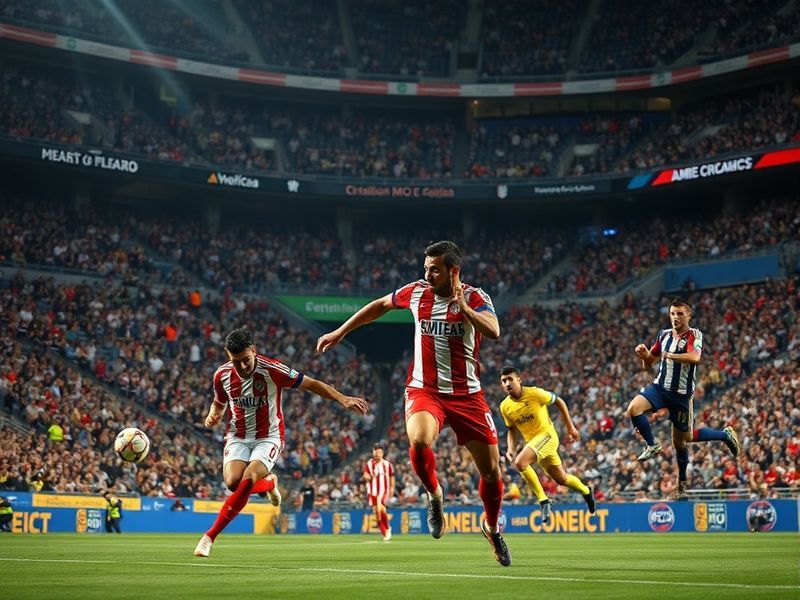
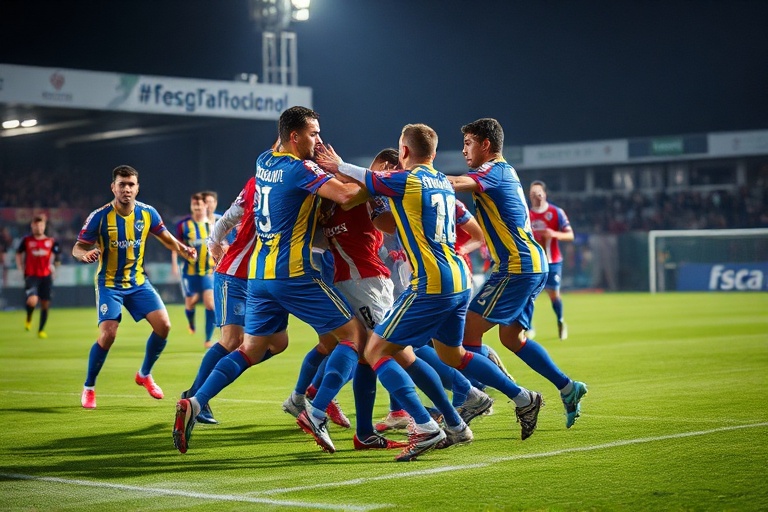
Their most recent encounters have highlighted these differences. In a 2023 league match, Hermannstadt frustrated FCSB with a compact 5-4-1 formation, absorbing pressure before launching rapid counterattacks. FCSB, despite dominating possession, struggled to break through the disciplined defensive structure. The 0-0 draw was a tactical stalemate, but it underscored the strengths of each team’s philosophy.
The Fan Cultures: Local Pride vs. National Legacy
Hermannstadt’s fan culture is deeply tied to the city of Sibiu and the broader Transylvanian region. Supporters of the club, known as the “Roș-albaștrii” (Red and Blues), are known for their passionate but family-friendly approach. The atmosphere at Hermannstadt’s Stadionul Municipal is often electric, with fans creating a vibrant, colorful display that reflects the club’s community-driven ethos. The fan base is younger on average, reflecting the club’s recent emergence.
FCSB’s supporters, particularly the “Ultras” groups, represent a different tradition. The club’s fan culture is one of the most intense in Romanian football, with a history of political activism and fervent loyalty. The “Tineretului” stand at the Arena Națională is a cauldron of noise, flags, and choreographed displays. FCSB’s fan base is more politically and socially engaged, often using the club as a platform for broader issues. This cultural divide adds another layer to the rivalry, making it more than just a footballing contest.
A Global Perspective: Romanian Football in the Broader Context
Romanian football has long been overshadowed by its Western European counterparts, but clubs like Hermannstadt and FCSB are playing a role in reshaping its identity. Hermannstadt, with its modern approach, represents the future of Romanian football—a future where clubs develop talent locally and compete sustainably. FCSB, while rooted in tradition, has also embraced modernization, investing in youth academies and infrastructure to remain competitive.
Globally, Romanian football struggles with financial disparities compared to leagues like England’s Premier League or Spain’s La Liga. However, clubs like Hermannstadt and FCSB are finding ways to compete on limited budgets. Their matches serve as a microcosm of the challenges and opportunities facing Romanian football as it seeks to regain its former glory on the European stage.
The contrast between the two clubs is also reflective of broader societal trends in Romania. Hermannstadt’s rise mirrors the growing influence of regional identities and the desire for local representation in a centralized political system. FCSB, with its national legacy, represents the enduring appeal of tradition and history. Together, they embody the duality of Romanian football: a sport that is both deeply local and unmistakably national.
Key Takeaways from Recent Encounters
The rivalry between Hermannstadt and FCSB has produced memorable moments, particularly in the Romanian Cup and league matches. Here are some key takeaways from their recent clashes:
- Defensive Mastery: Hermannstadt’s disciplined defensive shape has neutralized FCSB’s attacking threats on multiple occasions.
- Set-Piece Threats: Both teams have relied on set-pieces for goals, highlighting the importance of dead-ball situations in their tactics.
- Fan Atmosphere: The contrast in fan culture is evident in the stadiums, with Hermannstadt’s family-friendly environment contrasting with FCSB’s intense ultras culture.
- Tactical Flexibility: Hermannstadt’s ability to adapt formations has been a key factor in their success against FCSB, while FCSB’s possession-based approach often struggles against compact defenses.
Looking ahead, the rivalry shows no signs of fading. With both clubs aiming for European competitions and domestic titles, their matches will continue to be pivotal in shaping the future of Romanian football. For fans, these encounters offer more than just points—they provide a narrative of identity, ambition, and the enduring spirit of the game.
Conclusion: More Than Just a Match
The Hermannstadt vs. FCSB rivalry is a testament to the richness of Romanian football. It’s a clash of ideologies, a battle of styles, and a celebration of fan cultures. In a country where football is deeply intertwined with national and regional identities, these matches are more than just sporting events; they are cultural milestones.
For Hermannstadt, the rivalry is an opportunity to prove that innovation and community can triumph over tradition and history. For FCSB, it’s a chance to reaffirm its status as the standard-bearer of Romanian football. Together, they represent the past, present, and future of the game in Romania.
As Romanian football continues to evolve, matches like these will remain essential in defining its character. They remind us that football is not just about goals and trophies—it’s about people, places, and the stories they create together.
For more on Romanian football and its cultural impact, explore our Sports and Culture sections.