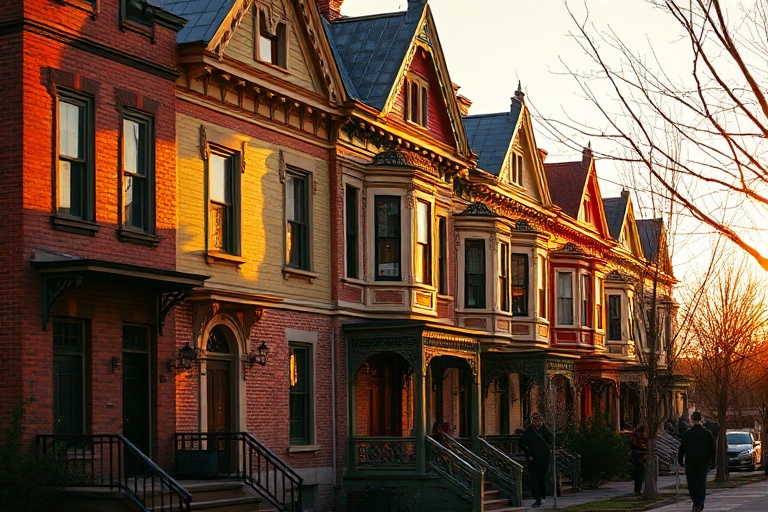
Houses serve as more than just physical structures. They shape neighborhoods, influence economies, and reflect cultural values. While their primary purpose is to provide shelter, houses also function as investments, historical records, and symbols of personal achievement. The evolution of housing design and construction over centuries demonstrates humanity’s adaptability and creativity.
The Historical Evolution of Housing
Early human dwellings were simple structures made from available materials like wood, stone, or mud. Nomadic cultures relied on portable shelters, while settled societies built permanent homes. The Roman Empire introduced multi-story apartment buildings called insulae, which housed both the wealthy and the poor in urban centers. Medieval Europe saw the rise of timber-framed houses, some of which still stand today in historic districts.
Industrialization transformed housing in the 19th century. Mass production lowered construction costs, enabling the growth of suburbs. The post-World War II era brought the rise of tract housing in the United States, where identical homes were built quickly to meet demand. Today, sustainable and smart homes are redefining residential architecture, incorporating energy efficiency and advanced technology.
Key Factors in Modern Home Construction
Building a house involves multiple considerations, from zoning laws to environmental impact. Below are some of the most critical factors in modern construction:
- Location: Proximity to schools, workplaces, and amenities influences property values and livability.
- Materials: Sustainable options like bamboo, recycled steel, and cross-laminated timber reduce environmental footprints.
- Design: Open floor plans and multi-functional spaces accommodate modern lifestyles.
- Energy Efficiency: Solar panels, high-efficiency HVAC systems, and smart thermostats lower utility costs.
- Regulations: Building codes ensure safety but can also increase costs and limit design flexibility.
Architects and builders must balance aesthetics, functionality, and compliance while anticipating future needs. For example, aging populations are driving demand for single-story homes and accessibility features like wider doorways and step-free entryways.
The Economic and Social Impact of Housing
Housing markets significantly affect local and global economies. The 2008 financial crisis, triggered in part by a collapse in the U.S. housing market, demonstrated how deeply interconnected housing is with financial systems. Homeownership remains a key indicator of economic stability, though rising prices in many cities have made it unattainable for younger generations.
Beyond economics, houses foster community. Neighborhoods with diverse housing types—apartments, townhomes, single-family residences—encourage social interaction. Conversely, homogeneous developments can lead to isolation. The COVID-19 pandemic further highlighted the role of homes as workspaces, schools, and sanctuaries, accelerating trends like remote work and home gyms.
Trends Shaping the Future of Housing
Several emerging trends are poised to redefine residential living in the coming decades. Tiny homes and micro-apartments are gaining popularity as minimalist solutions to urban housing shortages. Co-living spaces, where residents share amenities but have private bedrooms, appeal to young professionals seeking affordability and community.
Technology is also playing a larger role. Smart homes equipped with AI-driven assistants, automated lighting, and security systems are becoming more mainstream. Additionally, 3D-printed houses, pioneered by companies like ICON, promise faster, cheaper construction with reduced waste.
Sustainability remains a driving force. Net-zero energy homes, which produce as much energy as they consume, are no longer experimental but a growing standard. Governments and organizations are incentivizing green building practices through tax credits and certifications like LEED.
Conclusion: Houses as Living Spaces
Houses are more than static structures—they are dynamic entities that evolve with societal needs. From historical landmarks to cutting-edge eco-homes, housing reflects our values, challenges, and aspirations. As populations grow and resources become scarcer, innovative solutions will be essential to ensure that houses remain accessible, sustainable, and adaptable.
For those interested in exploring housing trends further, Trending and Analysis categories on Dave’s Locker offer curated insights into real estate, design, and market shifts.