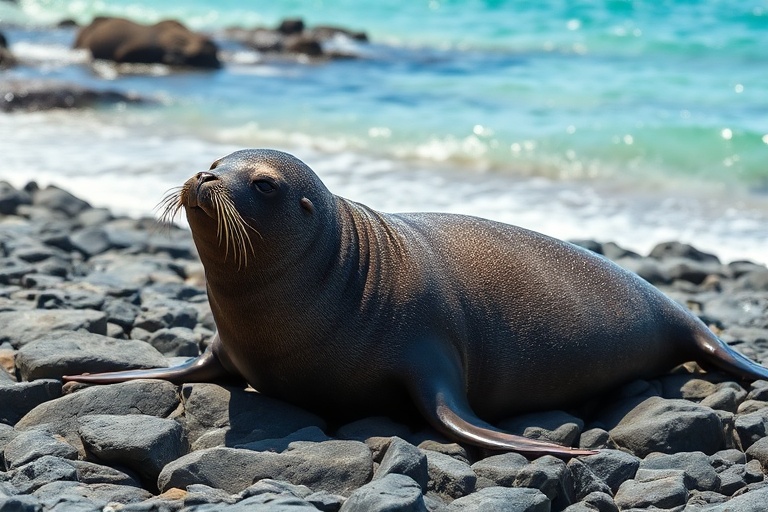
Hawaiian Monk Seal: Hawaii’s Endangered Ocean Icon
The Hawaiian monk seal is one of the most unique and threatened marine mammals in the world. Found exclusively in the Hawaiian Islands, this species has survived for millions of years, yet today it faces existential challenges from human activity, climate change, and ecological imbalance. With fewer than 1,500 individuals remaining, the Hawaiian monk seal is critically endangered—making conservation efforts not just important, but essential to the survival of Hawaii’s natural heritage.
Unlike their more charismatic cousins like sea lions or dolphins, monk seals live a quiet life along remote beaches and coral reefs. They are ambush predators, relying on stealth and patience rather than speed to catch fish, eels, and crustaceans. Their solitary nature and preference for undisturbed shorelines make them particularly vulnerable to human presence. As coastal development and tourism expand across Hawaii, monk seals are increasingly displaced from their natural habitats, leading to stress, injury, and reduced reproductive success.
The Plight of an Ancient Species
The Hawaiian monk seal (Neomonachus schauinslandi) diverged from other seals over 15 million years ago. Fossil records indicate their ancestors once thrived across the Pacific, but today, they exist only in the main Hawaiian Islands—with a small, isolated population in the Northwestern Hawaiian Islands. These seals are among the rarest pinnipeds on Earth, and their decline reflects broader environmental pressures in marine ecosystems.
Three primary threats have pushed the species to the brink:
- Human disturbance: Beaches where monk seals haul out to rest are often prime locations for tourism, fishing, and recreational activities. Even well-intentioned visitors can inadvertently disrupt seals, especially during pupping season when mothers and newborns are most vulnerable.
- Fishing gear entanglement: Abandoned or lost fishing nets and lines—often called “ghost gear”—trap and drown monk seals, causing injury and death. These lost nets continue to circulate in ocean currents for decades, posing silent threats to marine life.
- Climate change: Rising ocean temperatures alter prey availability and degrade coral reef habitats. Increased storm intensity erodes beaches, reducing safe haul-out sites. Warmer waters also encourage the spread of invasive species that compete with monk seals for food.
These pressures compound over time, creating a downward spiral that conservationists struggle to reverse. Without sustained intervention, the Hawaiian monk seal could vanish within decades—erasing a living link to Hawaii’s prehistoric past.
Conservation Efforts and Community Involvement
Protecting the Hawaiian monk seal requires a coordinated effort involving federal agencies, scientists, local communities, and even visitors. The National Oceanic and Atmospheric Administration (NOAA) leads recovery efforts through the Hawaiian Monk Seal Recovery Program, which implements a range of strategies to reduce threats and support population growth.
Key conservation actions include:
- Habitat protection: Designating critical habitat areas and restricting human access during sensitive periods, such as pupping and molting seasons.
- Wildlife response teams: Trained responders disentangle seals from debris, relocate injured individuals to rehabilitation centers, and monitor high-risk beaches.
- Community education: Local programs teach residents and tourists how to safely observe seals without causing disturbance. Signs, barriers, and volunteer patrols help minimize human impact.
- Genetic research: Scientists use DNA analysis to track individual seals, assess genetic diversity, and identify critical breeding grounds. This data informs decisions about translocation and captive care.
One of the most successful interventions has been the temporary removal of young seals from high-risk beaches to safer rearing pens during their most vulnerable early months. This “head-start” program has increased survival rates significantly. In 2022, a record number of monk seal pups were born and survived to weaning age—a rare positive sign in an otherwise grim landscape.
Yet, challenges remain. Due to their low population size, monk seals suffer from reduced genetic diversity, which increases susceptibility to disease and reduces reproductive fitness. Climate change continues to accelerate, threatening the very ecosystems the seals depend on. Without global action to reduce carbon emissions and ocean pollution, even the most dedicated local efforts may prove insufficient.
Why the Hawaiian Monk Seal Matters Beyond Hawaii
The decline of the Hawaiian monk seal is not just a local tragedy—it is a warning signal for global marine ecosystems. As a top predator, monk seals play a crucial role in maintaining balance within coral reef and nearshore food webs. Their presence indicates a healthy ocean environment; their absence suggests systemic decline.
Moreover, the monk seal embodies the cultural and spiritual connection between Hawaii and its natural environment. In Hawaiian tradition, seals are known as “ʻIlio-holo-i-ka-uaua,” or “dog that runs in rough water,” and are considered protectors of the sea. Their decline is not only an ecological loss but a cultural one—erasing part of Hawaii’s identity and the ancestral knowledge tied to the land and sea.
On a broader scale, the monk seal serves as an indicator species for ocean health. Its struggles mirror those of other endangered marine mammals, seabirds, and fish populations worldwide. The same threats—overfishing, plastic pollution, habitat loss, and climate change—are driving declines across the Pacific and beyond. Protecting the monk seal, therefore, is not just about saving one species; it’s about preserving the integrity of marine ecosystems that sustain human communities globally.
International conservation groups have begun to recognize this connection. Collaborative projects between Hawaii, the U.S. mainland, and Pacific Island nations are emerging, focusing on sustainable fishing practices, marine protected areas, and climate adaptation strategies. These efforts reflect a growing understanding that ocean conservation must be transnational and inclusive.
What Can Be Done? A Call to Action
The fate of the Hawaiian monk seal lies in the hands of policymakers, communities, and individuals. While large-scale change requires systemic action, small but meaningful steps can make a difference.
Visitors to Hawaii can help by:
- Keeping a safe distance from seals on beaches—at least 150 feet is recommended.
- Avoiding drones near seal habitats, which can cause stress and disrupt natural behaviors.
- Participating in beach cleanups to remove debris that could entangle marine life.
- Supporting local conservation organizations through donations or volunteer work.
- Advocating for stronger protections for marine protected areas and sustainable fisheries.
For residents, supporting policies that limit coastal development, reduce single-use plastics, and promote renewable energy can help address the root causes of monk seal decline. At the national level, increased funding for NOAA’s recovery programs and stronger enforcement of the Endangered Species Act are critical.
Ultimately, the Hawaiian monk seal is more than a species in peril—it is a symbol of resilience, a guardian of tradition, and a barometer of ocean health. Its survival depends on how seriously we take our responsibility as stewards of the planet. If we fail to protect it, we fail not only a unique animal but a vital part of Earth’s natural and cultural legacy.
Hawaii’s beaches once echoed with the calls of monk seals for millennia. It’s time we listen—and act—before their silence becomes permanent.
For more on endangered species and marine conservation, visit Dave’s Locker Science and Dave’s Locker Travel sections.