Grizzly Bears: The Powerful Symbols of North America’s Wild
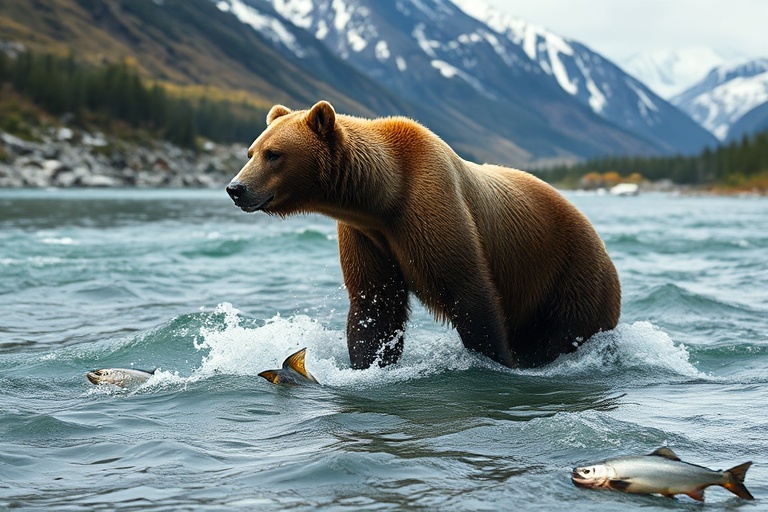
The grizzly bear, a subspecies of the brown bear, commands respect as one of North America’s most formidable yet misunderstood creatures. With their distinctive humped shoulders, long claws, and thick fur, these apex predators roam vast territories from Alaska’s tundra to Wyoming’s remote mountains. More than just a symbol of wilderness, the grizzly bear plays a critical role in maintaining ecological balance across its range.
Beyond their ecological significance, grizzly bears hold deep cultural importance for Indigenous peoples and have become a focal point in global conservation debates. Their presence—or absence—in certain landscapes often reflects broader environmental challenges, including habitat loss, climate change, and human-wildlife conflict. Understanding the grizzly bear means examining its biology, its relationship with humans, and the future of its survival in an increasingly human-dominated world.
The Biology of a Legend: Strength, Adaptation, and Survival
Grizzly bears are built for power and endurance. An adult male can weigh up to 800 pounds and stand over nine feet tall when standing on its hind legs. Their muscular hump, composed of fat and muscle, acts as a shovel for digging roots and excavating dens. Unlike their coastal relatives, inland grizzlies rely on a varied diet that shifts with the seasons—roots, berries, small mammals, and even carrion fill their plates.
- Dietary flexibility: Grizzlies are opportunistic feeders, adapting their diet based on food availability. In spring, they feed heavily on emerging vegetation and ungulate calves. By summer, berries and insects become staples. Fall is a critical period when bears must consume up to 90 pounds of food daily to build fat reserves for hibernation.
- Hibernation habits: Unlike true hibernators, grizzlies enter a state of torpor, where their body temperature drops only slightly. Pregnant females give birth during this period, relying entirely on fat stores to nurse their cubs until spring.
- Solitary nature: Adult grizzlies are mostly solitary, with home ranges spanning hundreds of square miles. They avoid confrontation with other bears, except during mating season or when competing for food.
One of the most fascinating aspects of grizzly bear biology is their role as ecosystem engineers. By turning over soil while foraging, they inadvertently plant seeds and aerate the ground, promoting plant diversity. Their habit of caching food also influences the distribution of nutrients across the landscape.
Cultural Significance: From Indigenous Traditions to Modern Symbolism
For thousands of years, grizzly bears have been woven into the spiritual and cultural fabric of Indigenous communities across North America. Many tribes, including the Blackfoot, Lakota, and Tlingit, view the bear as a powerful guardian and a symbol of strength and wisdom. In some traditions, grizzlies are considered ancestors or teachers, embodying qualities such as resilience and adaptability.
In modern times, the grizzly bear has transcended its biological identity to become an emblem of wilderness and conservation. Yellowstone National Park, home to one of the largest grizzly populations in the lower 48 states, has become a battleground for debates over species protection and human intervention. The bear’s image adorns logos, merchandise, and even sports team names, such as the Montana Grizzlies, reflecting its enduring cultural cachet.
Yet, this cultural reverence is not universal. In some regions, grizzlies are feared for their potential to threaten livestock or human lives. These conflicting perceptions highlight the tension between conservation efforts and the practical challenges of coexisting with large predators.
Conservation Challenges: Habitat Loss, Climate Change, and Human Conflict
The grizzly bear’s future remains uncertain. Once widespread across western North America, their population has been decimated by habitat fragmentation, hunting, and vehicle collisions. Today, fewer than 2,000 grizzlies remain in the lower 48 states, primarily in the Greater Yellowstone and Northern Continental Divide ecosystems.
Climate change poses another existential threat. Melting glaciers disrupt salmon runs, a critical food source for coastal grizzlies. Droughts reduce berry production, forcing bears to wander closer to human settlements in search of food. Warmer temperatures also shorten hibernation periods, leading to increased metabolic stress.
Human-grizzly conflicts are on the rise. As development encroaches on bear habitats, encounters become more frequent. While fatal attacks are rare, they often result in bears being euthanized—a tragic outcome for a species already struggling to survive. Solutions are emerging, such as bear-proof trash bins, electric fences, and community education programs aimed at reducing attractants.
Conservation efforts have shown promise. In the 1970s, grizzlies in the lower 48 were listed under the Endangered Species Act, which banned hunting and habitat destruction. Since then, populations have slowly rebounded, though recovery remains fragile. Some states, like Wyoming and Idaho, have pushed to delist the species, arguing that their numbers have stabilized. Environmental groups, however, warn that such moves could undo decades of progress.
The Future of Grizzlies: Can Humans and Bears Coexist?
The grizzly bear’s fate is inextricably linked to human actions. On one hand, there is growing recognition of their ecological value and the economic benefits of wildlife tourism. Parks like Yellowstone generate millions of dollars annually from visitors eager to catch a glimpse of these majestic animals. On the other hand, expanding infrastructure, resource extraction, and climate change continue to shrink their habitats.
Innovative conservation strategies are offering hope. Wildlife corridors, which allow bears to move safely between habitats, are being established in regions like the Yellowstone-to-Yukon (Y2Y) corridor. These efforts aim to connect fragmented populations and ensure genetic diversity. Meanwhile, research into bear behavior and movement patterns is helping scientists predict conflicts before they occur.
Public attitudes are also shifting. A 2022 study found that 75% of Americans support grizzly bear conservation, reflecting a broader cultural shift toward valuing biodiversity. Indigenous-led conservation initiatives, such as the Great Bear Rainforest project in British Columbia, demonstrate how traditional ecological knowledge can complement modern science to protect grizzly habitats.
Yet, challenges persist. The grizzly bear remains a polarizing figure, caught between those who see it as a vital part of North America’s natural heritage and those who view it as a threat to livelihoods and safety. The key to its survival may lie in balancing these perspectives—through science, policy, and community engagement.
As climate change accelerates and human populations grow, the grizzly bear stands as a litmus test for our relationship with the natural world. Will we continue to shrink their world, or will we make room for theirs? The answer will define not just the future of the grizzly, but the health of the ecosystems it inhabits.