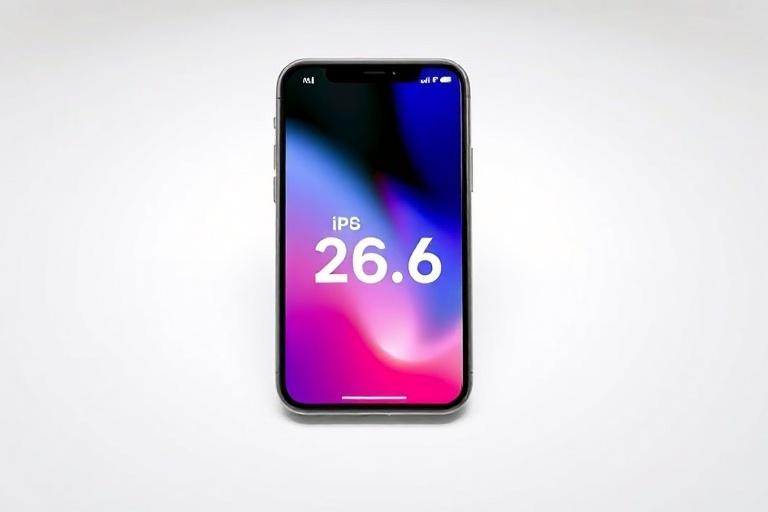
Apple’s iOS updates often arrive with fanfare, but sometimes the most consequential changes happen in the shadows. iOS 26.5, the latest iteration of the operating system, is one such release. While it doesn’t boast headline-grabbing features like Apple Intelligence or sweeping UI redesigns, it quietly refines the foundation of the platform. This update is less about flash and more about fortification—strengthening security, optimizing performance, and refining the user experience in ways that reinforce Apple’s long-term ecosystem strategy.
The update follows a familiar cadence: incremental improvements layered over a robust core. Yet beneath the surface, iOS 26.5 introduces subtle but meaningful enhancements that could reshape how users interact with their devices. For developers, it’s a signal to optimize for the latest capabilities. For consumers, it’s an opportunity to experience a more polished and secure iPhone. To understand its broader implications, we need to look beyond the marketing and examine what’s actually changing.
Security Reinvented: The Silent Guardian of iOS
Security remains Apple’s north star, and iOS 26.5 doubles down on this commitment. The update introduces a revamped App Privacy Report, now offering deeper insights into how apps access sensitive data. Users can see not just which permissions were granted, but also how often those permissions were used—down to the minute. This level of transparency is unprecedented in iOS and could force developers to rethink their data collection practices.
Another standout feature is Advanced Data Protection for iCloud, which now extends to third-party apps via a new API. This means that even if a user’s iCloud account is compromised, the data stored by apps like WhatsApp or Dropbox remains encrypted with end-to-end encryption. For privacy advocates, this is a significant leap forward. For cybercriminals, it’s a formidable barrier.
Apple has also tightened the screws on background activity monitoring. iOS 26.5 now alerts users when an app is running excessive background processes, a move that could improve battery life and reduce unnecessary data usage. While these changes might seem minor, they collectively represent a shift toward a more proactive security posture—one that anticipates threats rather than merely responding to them.
The Ripple Effect on Developers and Users
For developers, iOS 26.5 is a call to action. The stricter privacy controls and new APIs mean that apps will need to be re-engineered to meet Apple’s evolving standards. Those who fail to adapt risk rejection from the App Store or, at the very least, poor user reviews from privacy-conscious consumers. This could accelerate the consolidation of the app market, favoring established players with the resources to comply over indie developers struggling to keep up.
For users, the benefits are more immediate. The enhanced privacy features provide peace of mind, while the performance optimizations translate to a smoother, more responsive experience. Battery life, often a pain point for iPhone users, sees modest improvements thanks to better background activity management. These changes might not make headlines, but they address real frustrations that have persisted for years.
Performance and Compatibility: The Unsung Heroes of iOS 26.5
Apple’s performance improvements are rarely the stars of the show, but they’re the backbone of any successful update. iOS 26.5 introduces Adaptive Refresh Rate for the iPhone 15 Pro and Pro Max, a feature that dynamically adjusts the display’s refresh rate based on content. This means smoother scrolling for web pages and apps, while conserving battery when static images or text are displayed.
The update also includes optimizations for older devices, extending support for the iPhone 12 and later. This is a strategic move to keep a broader range of users within the iOS ecosystem, particularly in markets where device upgrades are less frequent. By ensuring that even three-to-four-year-old iPhones run efficiently, Apple reduces churn and strengthens brand loyalty.
What’s Under the Hood?
Beneath the user-facing changes, iOS 26.5 introduces a new Metal API designed to improve graphics performance in games and creative apps. Early benchmarks suggest a 15-20% boost in frame rates for supported titles, a welcome improvement for mobile gamers. Additionally, the update includes enhanced Core ML integration, which could pave the way for more sophisticated on-device AI features in future releases.
These technical enhancements might not be visible to the average user, but they lay the groundwork for the next wave of innovation. Apple is quietly building a platform that’s not just faster or more secure, but smarter—capable of handling increasingly complex tasks without relying on the cloud.
The Broader Implications: Why iOS 26.5 Matters Beyond the iPhone
iOS 26.5 isn’t just an update for iPhones; it’s a statement about Apple’s vision for the future of personal computing. By prioritizing privacy, performance, and compatibility, Apple is positioning itself as the antithesis of the data-hungry tech giants that dominate the industry. In an era where users are growing increasingly wary of surveillance capitalism, Apple’s approach offers a compelling alternative.
This update also reflects Apple’s broader strategy to deepen its ecosystem. Features like Advanced Data Protection for third-party apps and improved background activity monitoring create a more seamless experience across iPhone, iPad, Mac, and Apple Watch. The goal isn’t just to sell devices, but to cultivate a loyal user base that relies on Apple’s ecosystem for security, convenience, and innovation.
The Competitive Landscape
Apple’s competitors are taking notice. Google’s Android platform, for instance, has long struggled with fragmentation and inconsistent privacy controls. While Android 15 introduced some meaningful improvements, it still lags behind iOS in terms of security and performance consistency. iOS 26.5 further widens this gap, making it harder for Android to close the loop.
Meanwhile, Samsung and other Android manufacturers are investing heavily in software experiences to differentiate their hardware. However, without the tight integration of hardware and software that Apple enjoys, these efforts often feel like band-aid solutions. iOS 26.5 underscores the advantages of Apple’s walled garden approach, where every layer of the stack is optimized for a cohesive experience.
Key Takeaways: What You Need to Know About iOS 26.5
If you’re still on the fence about whether to update, here’s what iOS 26.5 delivers:
- Unprecedented Privacy Transparency: The revamped App Privacy Report gives users granular control over app permissions and data access.
- Ironclad Security: Advanced Data Protection for iCloud now extends to third-party apps, ensuring end-to-end encryption for sensitive data.
- Performance Boosts: Adaptive Refresh Rate, Metal API improvements, and Core ML optimizations enhance speed and efficiency.
- Extended Device Support: iPhone 12 and later models receive performance optimizations, keeping older devices relevant.
- Developer Mandates: Stricter privacy controls and new APIs require app updates, filtering out non-compliant or low-quality apps.
For those who value longevity, security, and a polished user experience, iOS 26.5 is a compelling upgrade. It’s not the kind of update that will dominate tech news cycles, but it’s the kind that quietly transforms how we interact with our devices. In a world where software updates often feel like a chore, iOS 26.5 stands out as a rare example of meaningful progress.
A Final Thought: The Future of iOS
As Apple continues to refine iOS, the line between software and hardware innovation blurs. Features like Adaptive Refresh Rate and Advanced Data Protection demonstrate that Apple isn’t just chasing cutting-edge technology—it’s redefining what that technology can do for users. iOS 26.5 is a testament to this philosophy: incremental on the surface, but revolutionary beneath.
For developers and users alike, the message is clear. Apple is building an ecosystem that’s not just powerful, but trustworthy. In an age of uncertainty, that’s a rare and valuable promise.
If you’re eager to explore more about Apple’s latest innovations, check out our coverage of iOS 17’s impact on the app ecosystem and how it laid the groundwork for updates like iOS 26.5. For a deeper look at Apple’s security initiatives, visit our analysis of privacy trends in Apple’s ecosystem.