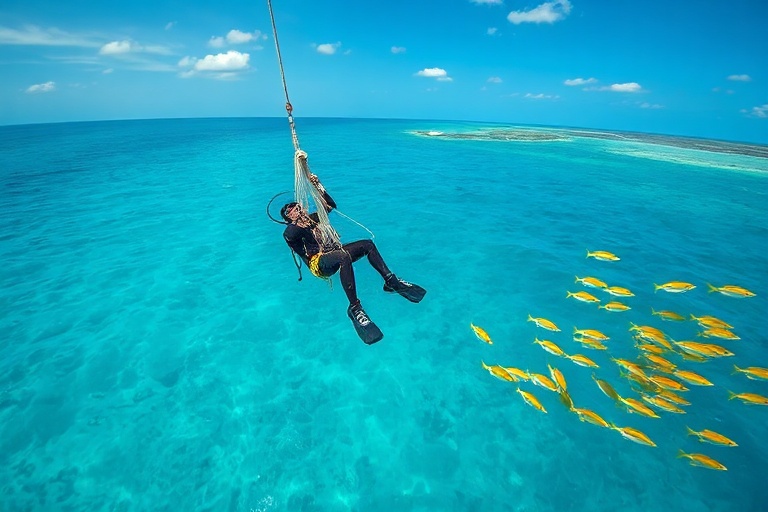
Understanding the Recent Scuba Diving Incident in the Maldives
The Maldives, a tropical paradise known for its crystal-clear waters and vibrant marine life, has recently been the site of a sobering scuba diving accident. On April 12, 2024, a group of divers encountered a sudden and unexpected tragedy while exploring the reefs near Ari Atoll. The incident has raised concerns among diving enthusiasts worldwide and prompted discussions about safety protocols in one of the world’s most popular diving destinations.
The accident occurred during a routine dive when a strong current swept a group of experienced divers away from their guide. Despite immediate rescue efforts, one diver, a 42-year-old Australian national, was found unresponsive and later pronounced dead. The incident serves as a stark reminder of the inherent risks associated with scuba diving, even in well-traveled and seemingly safe locations.
Safety Protocols and Industry Standards in Scuba Diving
Scuba diving is generally considered safe when proper protocols are followed. The Professional Association of Diving Instructors (PADI) and other certifying bodies emphasize the importance of dive planning, including assessing weather conditions, currents, and diver experience levels. However, accidents can still happen, particularly in regions with unpredictable underwater conditions.
In the Maldives, dive operators are required to adhere to strict regulations set by the Maldivian government. These include mandatory pre-dive briefings, the use of dive guides, and adherence to maximum depth limits. Yet, human error, equipment failure, or unforeseen environmental factors can still lead to tragic outcomes.
According to a report by Dive Magazine, the Maldives sees approximately 100,000 diving tourists annually, making it one of the most visited diving destinations globally. While the majority of dives proceed without incident, the recent accident has prompted calls for enhanced safety measures, including improved diver education and stricter enforcement of existing regulations.
Key Safety Measures for Divers in the Maldives
- Pre-dive briefings: Ensure all divers are aware of potential hazards, including currents, marine life, and emergency procedures.
- Buddy system: Always dive with a partner and maintain close proximity to avoid separation.
- Equipment checks: Verify that all gear, including dive computers and buoyancy control devices, is in proper working order.
- Dive within limits: Follow certification levels and avoid pushing beyond personal or environmental boundaries.
- Emergency preparedness: Familiarize yourself with local emergency contacts and evacuation procedures.
The Global Impact of Diving Accidents
Diving accidents, though relatively rare, have a ripple effect across the global diving community. They often lead to increased scrutiny of safety standards and may deter potential divers from visiting certain destinations. The recent incident in the Maldives has sparked conversations on social media platforms, with divers sharing their own near-miss experiences and advocating for better training.
For many travelers, the Maldives represents the pinnacle of luxury and adventure. The country’s economy relies heavily on tourism, including dive tourism. A single high-profile accident can tarnish its reputation, even if it is an isolated incident. This underscores the importance of transparency and accountability from dive operators and local authorities in the aftermath of such events.
Globally, organizations like Divers Alert Network (DAN) work to improve diver safety through research, education, and emergency assistance. Their statistics show that the majority of diving accidents are preventable, often resulting from inadequate training, poor judgment, or failure to follow established protocols. The Maldives incident serves as a case study in how even well-regulated environments can still pose risks.
Lessons Learned and Moving Forward
The diving community is resilient, but it is not immune to tragedy. The loss of life in the Maldives is a somber reminder of the need for continuous improvement in safety standards. For dive operators, this means investing in better training for staff, upgrading equipment, and ensuring that divers are fully informed of potential risks before entering the water.
For divers, the lesson is clear: preparation is key. This includes not only physical readiness but also mental preparedness. Understanding one’s limits, respecting the ocean, and staying vigilant are critical components of safe diving. The Maldives remains a top-tier destination, but it demands respect and caution from those who explore its depths.
In the wake of the accident, local dive schools have increased their focus on safety drills and emergency simulations. The Maldivian government has also pledged to review existing regulations to ensure they meet international standards. While no system can guarantee absolute safety, these steps are a testament to the commitment of the diving community to learn from tragedy and prevent future incidents.
How to Support Diver Safety Advocacy
For those looking to contribute to safer diving practices, there are several ways to get involved:
- Get certified: Ensure you are properly trained through recognized organizations like PADI or SSI.
- Support safety organizations: Donate to or volunteer with groups like DAN or the Red Cross Dive Safety Program.
- Share knowledge: Educate fellow divers on best practices and the importance of safety protocols.
- Advocate for change: Encourage dive operators and local governments to prioritize safety and transparency.
As the diving community reflects on this tragedy, it is essential to channel grief into action. The ocean is a powerful and unpredictable force, but with the right precautions, it can remain a source of wonder and exploration for generations to come.
For more information on diving safety and adventure sports, visit Sports and Travel sections on Dave’s Locker.