Natalie Nakase’s Unexpected Collapse During WNBA Playoffs
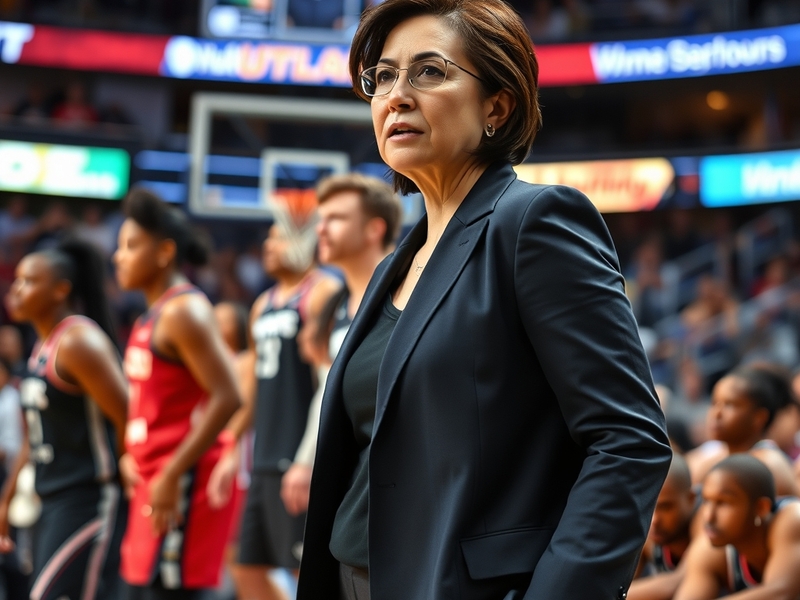
The WNBA playoffs are known for their intensity and drama, but this year, the spotlight turned to Natalie Nakase for reasons beyond the game. The assistant coach of the Los Angeles Sparks experienced a sudden health scare that left fans and players in shock. This incident has not only raised concerns about the well-being of coaches but also highlighted the pressures faced by individuals in high-stakes sports environments.
The Incident: What Happened?
During a crucial playoff game, Nakase suddenly collapsed on the sidelines, prompting immediate medical attention. Witnesses described the scene as chaotic, with players and staff rushing to her aid. The game, which was already filled with tension, took a backseat as the focus shifted to Nakase’s health. She was swiftly transported to a local hospital where she underwent tests to determine the cause of her collapse.
Initial reports indicated that Nakase was conscious and responsive shortly after the incident. However, the uncertainty surrounding her condition created a wave of concern among fans and players alike. The Sparks organization issued a statement, expressing their commitment to Nakase’s health and well-being, while also thanking fans for their support during this challenging time.
Analyzing the Pressures of Coaching in the WNBA
The incident involving Nakase brings to light the immense pressures that coaches face in high-stakes situations. The WNBA, known for its competitive nature, demands not only strategic acumen but also emotional resilience. Coaches often work long hours, balancing game preparation with player management, which can lead to significant stress. Some key factors contributing to this pressure include:
- High Expectations: Coaches are expected to deliver results, which can create an overwhelming atmosphere.
- Emotional Investment: The emotional toll of the game, especially during playoffs, can lead to burnout.
- Physical Demands: The physical nature of the sport can also take a toll on coaches who are constantly on their feet.
- Media Scrutiny: The spotlight from media coverage can add another layer of stress, making every decision feel monumental.
Community and Support Following the Incident
In the aftermath of Nakase’s collapse, the basketball community rallied around her. Messages of support flooded social media, with fans, players, and fellow coaches expressing their concern and sending well wishes. The incident serves as a reminder of the importance of mental health awareness in sports. The WNBA has been proactive in promoting mental health resources for players and staff alike, and Nakase’s situation underscores the necessity of these initiatives.
Furthermore, discussions have emerged regarding the need for better support systems within coaching staff. Many advocates are calling for more resources dedicated to mental health and physical wellness, emphasizing that these elements are crucial for sustaining performance in the long run.
Looking Ahead: What This Means for the Sparks and the WNBA
As the Sparks continue their playoff journey, the organization is faced with the challenge of moving forward while prioritizing Nakase’s recovery. Her absence from the sidelines is felt not only by the team but also by fans who recognize her contributions to the sport. The WNBA playoffs are a time of high stakes, and navigating this situation will require resilience from both the players and coaching staff.
In a broader context, Nakase’s collapse may serve as a turning point for the league in terms of how it approaches the mental and physical health of its coaches. With a growing emphasis on wellness, it is possible that the WNBA will take actionable steps to ensure that coaching staff are supported, thereby enhancing the overall environment of the league.
In conclusion, Natalie Nakase’s unexpected health scare during the WNBA playoffs has prompted a necessary conversation about the pressures faced by coaches in high-stress environments. As the Sparks and the league move forward, the focus will remain on Nakase’s recovery, while also considering the broader implications for coaching and mental health in sports.