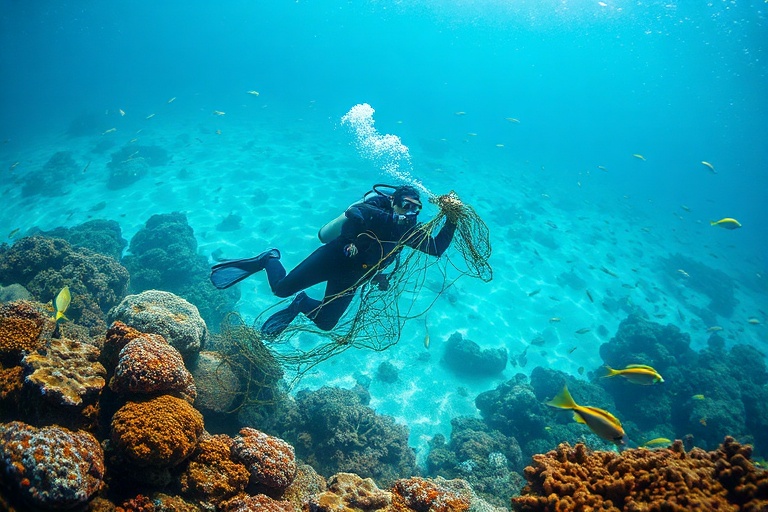
Maldives Scuba Diving Accidents: Risks, Causes & Safety Tips
“`html
Maldives Scuba Diving Accident: What Divers Need to Know
The Maldives, renowned for its crystal-clear waters and vibrant marine life, attracts divers from around the world. Yet beneath its idyllic surface lies a less discussed reality: the risks that accompany such adventures. Scuba diving accidents, though rare, do occur, and understanding their causes, prevention, and aftermath is crucial for anyone planning to explore the region’s underwater wonders.
In recent years, a handful of incidents have raised concerns about safety protocols and emergency preparedness in the Maldives’ diving industry. These events serve as stark reminders that even the most experienced divers can find themselves in precarious situations. Below, we examine the key factors surrounding these accidents, the response from local authorities, and what divers can do to stay safe.
The Rise in Scuba Diving Incidents
Over the past five years, the Maldives has seen a gradual increase in scuba diving-related accidents, according to reports from the Maldives Police Service and local dive operators. While the numbers remain relatively low compared to global diving hotspots, the trend has prompted discussions about whether the industry is keeping pace with the growing number of divers.
In 2022, the Maldives recorded 12 diving fatalities—a figure that, while still small, marked a 20% increase from the previous year. Most incidents involved tourists, many of whom were certified divers but lacked recent experience or were unfamiliar with local conditions. The most common causes included equipment failure, strong currents, and decompression sickness.
Local dive instructors emphasize that these accidents often share a common thread: overconfidence. Divers who are eager to explore advanced sites or who haven’t dived in months may underestimate the challenges posed by the Maldives’ unique underwater topography and unpredictable currents. As one instructor noted, “The ocean here doesn’t care about your certification card. It rewards respect and punishes arrogance.”
Understanding the Risks: What Goes Wrong?
Several factors contribute to scuba diving accidents in the Maldives. Understanding these risks is the first step toward prevention. Below is a breakdown of the most frequent causes:
- Strong Currents: The Maldives is known for its atolls and channels, where water flows rapidly between open ocean and lagoons. Even experienced divers can struggle in these conditions, particularly if they venture into sites without a guide.
- Equipment Malfunctions: While rare, equipment failures—such as regulator free-flows or buoyancy control issues—can turn a routine dive into an emergency. Regular servicing and pre-dive checks are essential.
- Decompression Sickness: Divers who ascend too quickly or exceed their no-decompression limits risk developing “the bends.” The Maldives’ deep walls and drift dives make this a particular concern.
- Marine Life Encounters: While rare, interactions with sharks, moray eels, or even venomous fish can lead to injuries if divers fail to maintain proper distance and awareness.
- Human Error: Miscommunication between dive buddies, poor gas management, or ignoring local advice are all too common in accident reports.
The Maldives’ dive industry operates under strict regulations, but enforcement varies. Some operators cut corners to accommodate large groups or inexperienced divers, increasing the likelihood of incidents. Divers should always verify that their chosen operator adheres to international safety standards, such as those set by the Professional Association of Diving Instructors (PADI) or Scuba Schools International (SSI).
The Response: How Authorities and Operators Are Adapting
In response to the uptick in accidents, the Maldives government and local dive associations have taken steps to enhance safety. In 2023, the Ministry of Tourism introduced new guidelines requiring all dive operators to conduct mandatory safety briefings and maintain updated emergency response plans. Additionally, the Maldives Police Service now tracks diving incidents more closely, collaborating with operators to identify high-risk areas and behaviors.
Some operators have gone further by implementing advanced training programs. For example, many now offer distinct courses on drift diving, deep diving, and emergency procedures tailored to the Maldives’ specific conditions. A few luxury resorts have even invested in hyperbaric chambers and trained medical staff to handle decompression sickness on-site, reducing response times in emergencies.
Despite these improvements, challenges remain. Remote locations can delay emergency services, and not all operators have the resources to invest in cutting-edge safety equipment. Divers must therefore take personal responsibility for their safety, researching operators thoroughly and asking the right questions before booking a dive.
What Divers Can Do to Stay Safe
Prevention is the best defense against scuba diving accidents. Here are key steps divers can take to minimize risks in the Maldives:
- Choose Reputable Operators: Look for operators with strong safety records, certified guides, and positive reviews from past clients. Avoid those that prioritize profit over safety.
- Stay Within Your Limits: If you haven’t dived in months or are new to drift diving, opt for guided tours and less challenging sites. The Maldives offers something for every skill level.
- Check Your Equipment: Ensure your gear is serviced and functioning properly before every dive. If renting equipment, inspect it thoroughly with a guide.
- Monitor Your Air Supply: Gas management is critical. Always dive with a plan for air consumption and never let your tank run below 50 bar.
- Follow Local Advice: Dive guides know the sites best. Listen to their briefings, heed their warnings about currents, and adhere to recommended dive times and depths.
- Get Insured: Travel insurance that covers scuba diving is a must. Ensure it includes emergency evacuation and hyperbaric treatment.
For those new to the Maldives, consider starting with shallow reef dives or lagoon sites, where currents are gentler and the learning curve is less steep. Sites like Maaya Thila or Banana Reef offer stunning experiences without the high stakes of drift dives or deep walls.
It’s also wise to familiarize yourself with the symptoms of decompression sickness, which can include joint pain, dizziness, or skin rashes. If these occur, seek medical attention immediately, even if symptoms seem mild.
Looking Ahead: The Future of Diving Safety in the Maldives
The Maldives’ diving industry faces a delicate balance: maintaining its appeal as a top-tier destination while ensuring the safety of its visitors. While accidents are inevitable in any high-risk activity, the goal is to reduce their frequency and severity through education, regulation, and technology.
Emerging technologies, such as real-time dive monitoring devices and AI-powered safety alerts, may soon become standard in the industry. Some forward-thinking operators are already testing these tools, which could provide divers and guides with instant feedback on depth, air supply, and current conditions.
Ultimately, the responsibility for safe diving lies with each individual. The Maldives offers some of the most breathtaking underwater experiences on Earth, but it demands respect. By staying informed, choosing wisely, and prioritizing safety over thrills, divers can ensure their adventures remain memorable for all the right reasons.
The ocean is unforgiving, but with the right preparation, its wonders can be explored safely. For those planning a trip, the message is clear: dive smart, dive safe, and let the Maldives’ beauty captivate you—not its hidden dangers.