Myrtle Beach is more than just a stretch of golden sand and neon signs. It’s a place where Southern hospitality meets coastal energy, where golf courses dot the landscape alongside family-friendly attractions, and where the rhythm of the waves blends seamlessly with the pulse of a thriving vacation destination. For decades, this South Carolina gem has drawn millions of visitors annually, but its appeal runs deeper than postcards and Instagram snapshots.
The city’s evolution reflects broader trends in tourism, real estate, and cultural identity. As travel preferences shift and new generations seek authentic experiences, Myrtle Beach has adapted—sometimes controversially. This isn’t just a story about beaches and boardwalks. It’s about how a single destination can shape economies, influence local communities, and even challenge perceptions of what a vacation should be.
The Rise of Myrtle Beach: From Quiet Retreat to Vacation Mecca
Myrtle Beach’s transformation began in the early 20th century when the arrival of the railroad in the 1880s made it accessible to visitors beyond the immediate region. By the 1930s, it had earned a reputation as a quiet, affordable getaway for families escaping colder climates. The post-World War II boom, however, changed everything. The rise of the automobile and the expansion of the interstate system turned Myrtle Beach into a prime destination for road-tripping Americans.
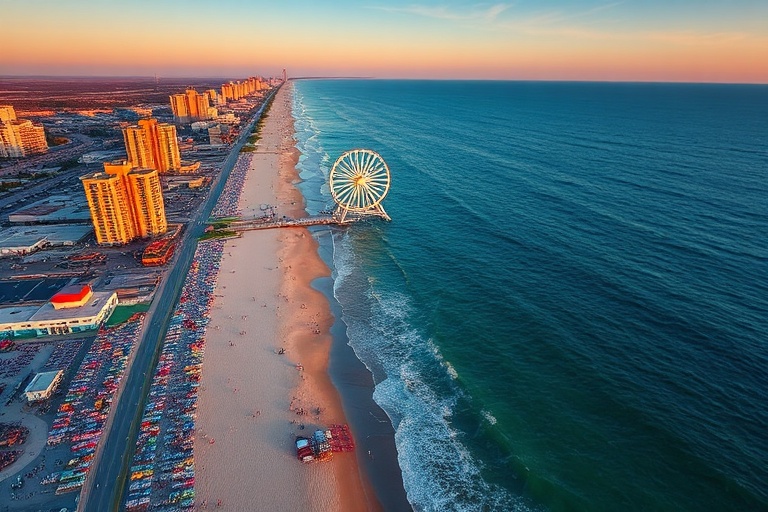
In the 1960s and 70s, developers recognized the area’s potential. Golf courses were built to lure retirees and enthusiasts, while high-rise hotels and amusement parks catered to families and spring breakers. The construction of the SkyWheel in 2011 and the constant addition of new attractions like SkyBlue Glass Bottom Oceanfront Ferris Wheel have kept the city visually dynamic. Yet, this growth hasn’t come without criticism. Some longtime residents argue that the original charm of the beach has been commercialized, while others see it as a necessary evolution to stay competitive in a crowded tourism market.
Today, Myrtle Beach attracts over 20 million visitors each year, generating billions in revenue. But the city’s success has also brought challenges—rising property values, seasonal workforce shortages, and debates over sustainable development. These tensions mirror those in other tourist hotspots across the country, from Florida’s Gulf Coast to California’s Central Coast.
The Myrtle Beach Economy: More Than Just Tourism
Tourism remains the backbone of Myrtle Beach’s economy, accounting for nearly a third of the local workforce. The hospitality industry employs thousands, from hotel staff and restaurant workers to tour guides and retail employees. But the city’s economic profile has diversified in recent years.
The healthcare sector has grown significantly, with Grand Strand Medical Center and Tidelands Health expanding services to meet the needs of both residents and visitors. Meanwhile, the legal and financial services industries have seen steady growth, catering to an expanding retiree population. Real estate, particularly in gated communities and vacation rentals, has become a major investment sector, drawing out-of-state buyers seeking second homes or rental income.
This economic diversification has provided stability but also introduced new complexities. For instance, the demand for affordable housing has surged as service workers—essential to the tourism industry—struggle to afford living near the beach. Local governments have responded with initiatives to promote workforce housing, but results have been mixed. The city’s reliance on seasonal labor also creates challenges during off-peak months, when unemployment rates rise and businesses face staffing shortages.
Key Economic Drivers in Myrtle Beach
- Tourism: Hospitality, attractions, and retail generate over $10 billion annually.
- Golf Industry: Over 100 courses contribute $2 billion to the local economy.
- Healthcare: Major employers like Grand Strand Medical Center support thousands of jobs.
- Real Estate: Vacation rentals and retirement communities drive investment and development.
- Retail and Dining: Broadway at the Beach and Barefoot Landing are major shopping hubs.
Cultural Identity and Community: Who Calls Myrtle Beach Home?
Myrtle Beach’s identity is a patchwork of influences. The city’s permanent population of around 35,000 swells dramatically during peak seasons, bringing in visitors from across the U.S. and beyond. This seasonal influx shapes the local culture, blending Southern traditions with the vibrancy of a transient population.
The city’s music scene, for example, reflects this diversity. Venues like The Carolina Opry and Legends in Concert showcase everything from country and gospel to pop and rock, catering to a wide audience. Meanwhile, the annual Carolina Country Music Fest draws tens of thousands of fans, highlighting the city’s role as a hub for live entertainment.
Yet, the transient nature of Myrtle Beach’s population also presents challenges. Community cohesion can be difficult to maintain when so many residents are temporary. Additionally, the city’s reputation as a party destination, particularly during spring break and bachelorette weekends, has led to concerns about safety and quality of life for permanent residents. Local officials have implemented measures such as alcohol restrictions and noise ordinances, but balancing tourism appeal with community needs remains an ongoing struggle.
Myrtle Beach’s cultural identity is also shaped by its history. The Waccamaw and Winyah tribes originally inhabited the region, and their legacy is honored in places like the Native American Tribal Museum in nearby Conway. The city’s African American history, tied to the Gullah Geechee culture, is less prominently featured but is slowly gaining recognition through cultural events and educational initiatives.
The Future of Myrtle Beach: Sustainability, Innovation, and Change
Looking ahead, Myrtle Beach faces critical questions about its future. Climate change poses a long-term threat, with rising sea levels and stronger storms threatening the coastline. The city has invested in resilience measures, such as beach renourishment projects and improved drainage systems, but experts warn that these may only be temporary solutions. Meanwhile, the tourism industry is evolving, with younger travelers prioritizing sustainability and authentic experiences over traditional attractions.
In response, Myrtle Beach is exploring new avenues for growth. The city has embraced the concept of “experiential tourism,” encouraging visitors to engage with local culture, cuisine, and outdoor activities rather than just passive entertainment. Initiatives like the Myrtle Beach Boardwalk’s recent redesign focus on walkability and accessibility, while efforts to promote eco-friendly attractions—such as kayaking tours and birdwatching—aim to attract a more environmentally conscious audience.
Technology is also playing a larger role. From AI-powered hotel concierges to virtual reality tours of local attractions, the city is leveraging innovation to enhance the visitor experience. However, the rapid pace of change has raised concerns about the potential loss of the city’s unique character. How can Myrtle Beach preserve its charm while adapting to modern demands?
The answer may lie in collaboration. Local businesses, government officials, and community groups are increasingly working together to address challenges and capitalize on opportunities. For example, the Myrtle Beach Area Chamber of Commerce has launched campaigns to promote year-round tourism, reducing the seasonal peaks and valleys that strain the local economy. Meanwhile, partnerships between educational institutions and the tourism industry aim to provide workforce training for high-demand jobs.
What’s Next for Myrtle Beach?
The city’s future will depend on its ability to navigate these challenges while staying true to its identity. Will Myrtle Beach double down on large-scale attractions and high-rise development, or will it pivot toward more sustainable and community-focused tourism? The decisions made today will shape the city for decades to come.
One thing is certain: Myrtle Beach’s story is far from over. As it continues to evolve, the city will remain a fascinating case study in the complexities of tourism, development, and cultural identity. For visitors and residents alike, it offers more than just a vacation—it’s a living, breathing example of how places adapt, survive, and thrive.
Explore More on Dave’s Locker
Interested in learning about other coastal destinations or the broader impact of tourism? Check out our travel and analysis sections for more insights:
- Travel: Discover more destinations and travel trends.
- Analysis: Dive deeper into the economic and cultural forces shaping popular spots like Myrtle Beach.
Conclusion
Myrtle Beach is more than a postcard-perfect coastline—it’s a dynamic community shaped by history, economics, and culture. Its ability to reinvent itself while maintaining its core appeal is a testament to its resilience. As the city looks to the future, it must balance growth with sustainability, tourism with community needs, and innovation with tradition. For those who call it home or visit year after year, Myrtle Beach remains a place of endless possibility, where the ocean breeze carries the promise of both relaxation and reinvention.