Olivia Andre-Dilley’s Detention Release: Legal and Public Reaction Unfold
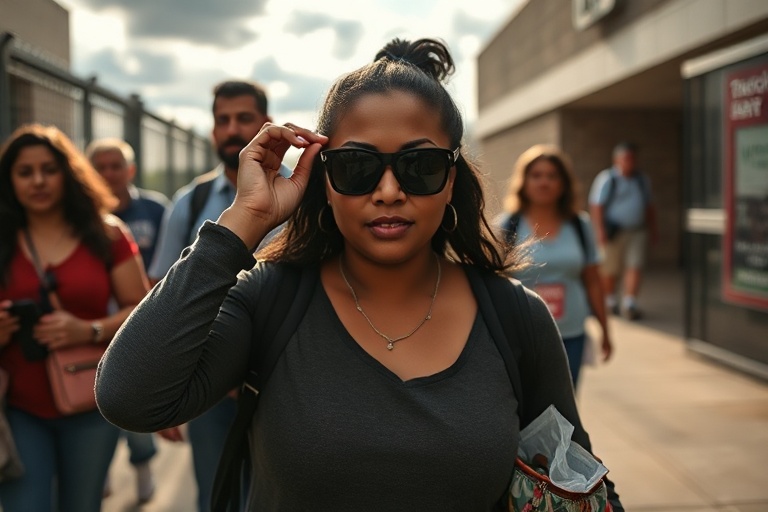
On March 12, 2024, Olivia Andre-Dilley walked out of the Hillsborough County Juvenile Detention Center after serving 47 days of a 60-day sentence. The 17-year-old had been detained following a series of charges related to a social media-fueled altercation in Tampa, Florida. Her release has ignited a complex conversation around juvenile justice, social media responsibility, and the broader implications of viral conflicts in the digital age.
The case began in January 2024 when a video circulated online showing Andre-Dilley involved in a physical confrontation. Authorities filed charges that included battery and disrupting a school function, despite the incident occurring off-campus. The decision to detain a minor under these circumstances drew immediate criticism from civil rights advocates and legal analysts. Many questioned whether the juvenile justice system had overreached, particularly given the role of social media in escalating the dispute.
“This is not just about one incident,” said attorney Elena Vasquez, who has represented several minors in similar cases. “It’s about how we respond when social media turns personal conflicts into legal ones.” Vasquez pointed out that Andre-Dilley’s detention set a precedent that could affect how minors are treated in future disputes that originate online.
Legal Background: How the Case Unfolded
The legal journey began when the Hillsborough County Sheriff’s Office filed charges on January 18, 2024. Prosecutors argued that the video evidence, combined with witness statements, justified detention under Florida Statute 985.115, which allows for the temporary detention of juveniles deemed a risk to public safety or flight risk. However, defense attorneys contended that Andre-Dilley posed neither risk, citing her clean prior record and stable home environment.
During a February 2 hearing, Judge Maria Rodriguez denied a motion for release, citing concerns about ongoing community tensions. The decision was controversial, as it relied heavily on the viral nature of the video rather than any immediate physical threat. Legal experts noted that this case highlighted a growing trend: courts increasingly using online content as justification for detention, even when the underlying conflict is not violent.
“We’re seeing a shift where digital evidence is treated with the same weight as physical evidence,” said juvenile justice reform advocate Marcus Chen. “That’s a dangerous precedent, especially when the evidence is often edited, taken out of context, or amplified by algorithms.” Chen has been pushing for clearer guidelines on how social media should influence juvenile court decisions.
Public Reaction: Support, Criticism, and Media Influence
The public reaction to Andre-Dilley’s detention has been polarized. On one side, a grassroots movement led by local activists and influencers demanded her immediate release, arguing that her punishment was disproportionate. Hashtags like #FreeOlivia and #JusticeForOlivia trended on TikTok and Instagram, with users sharing personal stories of similar over-policing in schools and communities.
On the other side, some residents expressed concern that releasing Andre-Dilley without consequences would set a dangerous precedent. “We can’t just let people off the hook because they’re minors or because the video went viral,” said Tampa resident David Ruiz in a local radio interview. “Rules have to apply to everyone.”
Media coverage has played a significant role in shaping public opinion. Local news outlets ran multiple segments on the case, often focusing on the video itself rather than the legal nuances. This kind of sensationalism can distort public perception, making it harder for nuanced discussions about juvenile justice to take place. As one commentator noted, “When the story is reduced to a clip and a hashtag, the complexity of the law gets lost.”
Social media platforms have also faced scrutiny for their role in the escalation. A report from Media Matters found that the video spread rapidly due to algorithmic amplification, reaching over 2 million views within 48 hours. While the platforms eventually removed the video, the damage was done—Andre-Dilley was already facing legal consequences.
Broader Implications: Juvenile Justice in the Digital Age
The Andre-Dilley case is part of a larger conversation about how the juvenile justice system should adapt to the realities of social media. Unlike traditional crimes, online conflicts often lack clear physical boundaries, making it difficult for law enforcement to determine jurisdiction or appropriate responses. This ambiguity has led to inconsistent enforcement, with some minors facing detention for off-campus behavior while others receive warnings.
Reform advocates are calling for several changes:
- Clearer guidelines on how social media evidence should be used in juvenile court cases.
- A restorative justice approach that focuses on mediation rather than detention for non-violent offenses.
- Stronger platform accountability to prevent the viral spread of harmful content involving minors.
“We need to stop treating social media like a weapon and start treating it like a public health issue,” said Dr. Priya Kapoor, a psychologist who studies youth behavior online. “Detention doesn’t solve the problem; it just delays it.” Kapoor’s research shows that minors involved in online conflicts often experience long-term anxiety, depression, and academic decline, regardless of legal outcomes.
The Andre-Dilley case also raises questions about racial and socioeconomic disparities in juvenile justice. Studies have consistently shown that Black and Latino youth are disproportionately detained for similar offenses. While Andre-Dilley is white, her case has become a focal point for discussions about whether detention is being used fairly across different communities.
Looking Ahead: What’s Next for Olivia Andre-Dilley?
Andre-Dilley’s release comes with conditions. She must complete 30 hours of community service, attend weekly check-ins with a probation officer, and stay off social media for six months. Her defense team has also filed a motion to expunge her record, arguing that the detention was an overreach.
Legal experts believe her case could set a precedent for future juvenile justice decisions. “If the court rules in her favor, it could signal a shift away from detention for non-violent, online-related offenses,” said Vasquez. “But if it sides with the prosecution, we’re likely to see more minors facing similar consequences.”
For Andre-Dilley, the road ahead is uncertain. She has spoken publicly about the toll the detention took on her mental health, describing feelings of isolation and frustration. “I just want people to understand that one mistake doesn’t define who I am,” she said in a statement released through her attorney. Her supporters have rallied around her, emphasizing the need for compassion and second chances.
As the legal and public debate continues, one thing is clear: the Andre-Dilley case is more than just a detention story. It’s a reflection of how society grapples with accountability, technology, and justice in an increasingly digital world. Whether it leads to meaningful reform remains to be seen, but it has undeniably sparked a conversation that will shape juvenile justice for years to come.
For further reading on juvenile justice reform and related topics, visit our News and Culture sections.