Scotland Snow: Winter Wonders and Travel Tips for 2024
Scotland’s relationship with snow is as complex as its weather patterns. The country’s northerly latitude and proximity to the Atlantic Ocean create a climate where winter can swing between dramatic snowfalls and unseasonably mild temperatures. When heavy snow does arrive, it doesn’t just paint the hills white—it reshapes daily life, tourism, and even the local economy.
The Science Behind Scotland’s Snowfall
Scotland’s snowfall is heavily influenced by its geography and atmospheric conditions. The Highlands, particularly the Cairngorms and Ben Nevis, regularly receive significant snowfall due to their elevation, often exceeding 200 inches annually. Coastal areas, by contrast, see far less snow, though they are more prone to sudden winter storms. These storms often arrive when cold air from the Arctic clashes with milder Atlantic air, creating the perfect conditions for heavy precipitation.
Meteorologists note that Scotland’s snow events are becoming less predictable. While traditional winters still bring reliable snow to the mountains, climate change has introduced more variability. Warmer global temperatures mean that snow is less likely to settle in lower-lying areas, even when precipitation falls. This shift has forced communities and businesses to adapt, particularly in regions that once relied on consistent winter tourism.
Key Factors Influencing Scotland’s Snow
- Elevation: Higher ground, such as the Cairngorms or Glencoe, consistently receives more snow due to lower temperatures at altitude.
- Atlantic Moisture: Storm systems moving in from the west bring heavy, wet snow, particularly to the west coast and central belt.
- Arctic Outbreaks: Sudden drops in temperature from the north can lead to rapid snow accumulation, even in unexpected areas.
- Climate Change: Rising global temperatures reduce the frequency of snow in lowland regions while increasing the intensity of storms in mountainous areas.
Impact on Travel and Infrastructure
When Scotland is hit by heavy snow, the effects ripple across the country. Road closures are common, particularly on rural routes like the A9 in the Highlands or the A82 near Glencoe. These closures can strand motorists for hours, as seen in the winter of 2021 when the A9 was blocked for nearly two days. Public transport also grinds to a halt, with trains delayed or canceled due to fallen trees or frozen tracks.
Aviation faces similar challenges. Edinburgh and Glasgow airports frequently experience delays or cancellations during snow events, though they have invested in de-icing equipment and snow-clearing protocols. Smaller regional airports, such as Inverness or Aberdeen, are even more vulnerable, with limited resources to manage severe winter weather.
For those who rely on Scotland’s roads for work or tourism, these disruptions can be costly. The tourism industry, in particular, feels the pinch when snow closes attractions or deters visitors. However, for winter sports enthusiasts, heavy snow is a blessing—it’s what keeps resorts like Aviemore and Glencoe open for skiers and snowboarders.
How Scotland Adapts to Snow
- Emergency Preparedness: Local councils stockpile grit and salt, while emergency services conduct regular winter readiness drills.
- Transport Innovations: Some routes, like the A9, now feature heated roads in critical sections to prevent ice buildup.
- Tourism Strategies: Resorts diversify their offerings, blending winter sports with indoor activities like distillery tours or museum visits.
- Community Support: Volunteer groups often assist in clearing snow from roads or helping stranded travelers, reflecting Scotland’s strong sense of community.
The unpredictability of Scotland’s snow means that resilience is key. Whether it’s a farmer navigating a blocked road or a skier making the most of a powder day, adaptability defines how communities respond.
Snow Tourism: A Double-Edged Sword
Scotland’s winter tourism industry thrives on snow, but it’s a fragile balance. Resorts like Glencoe Mountain Resort and the Nevis Range attract visitors from across the UK and beyond, drawn by reliable snowfall and stunning landscapes. The economic impact is substantial—skiing alone contributes millions to the local economy each year, not to mention the boost from hotels, restaurants, and equipment rentals.
Yet, the industry is vulnerable to climate change. Warmer winters mean shorter ski seasons, forcing resorts to rely more on snowmaking machines. These machines, while effective, come with environmental concerns, as they consume significant water and energy. Some resorts are exploring sustainable alternatives, such as using renewable energy to power their snow cannons or promoting off-season activities like hiking and wildlife watching.
For urban tourists, snow transforms cities like Edinburgh and Glasgow into winter wonderlands. Edinburgh’s Christmas markets, for example, draw crowds eager to stroll through Princes Street Gardens dusted with snow. Meanwhile, Glasgow’s parks become gathering spots for families building snowmen or enjoying mulled wine by a fire. These events are cultural touchstones, but they also highlight the fleeting nature of Scotland’s snow—when it melts, the cities return to their usual bustling selves.
Top Winter Attractions in Scotland
- Cairngorms National Park: A paradise for skiers, snowboarders, and hikers, with vast open landscapes and reliable snow.
- Edinburgh’s Christmas Markets: A festive highlight, with mulled wine, ice skating, and seasonal treats.
- Glencoe Mountain Resort: Known for its challenging slopes and breathtaking views, a favorite among experienced skiers.
- Loch Lomond Winter Walks: Scenic hikes through snow-dusted forests, perfect for those seeking tranquility.
For those planning a winter trip, it’s worth checking weather forecasts and resort conditions in advance. While snow can enhance the experience, it can also disrupt travel plans, so flexibility is essential.
The Cultural Significance of Snow in Scotland
Snow holds a special place in Scotland’s cultural identity. It’s a recurring theme in folklore, literature, and even music. Traditional Scottish songs often reference winter landscapes, while modern artists like folk musicians continue to draw inspiration from snow-covered glens and moors. Even the country’s national animal, the unicorn, is often depicted in snowy settings in historical artworks.
For many Scots, snow evokes childhood memories—building snow forts, sledding down hills, or watching the first flakes of winter. These experiences are universal, yet uniquely Scottish in their setting. The contrast between a snow-covered Highland village and the rugged coastline creates a visual poetry that resonates deeply.
Snow also plays a role in Scotland’s festivals. The Up Helly Aa fire festival in Shetland, held in late January, features torchlit processions through snowy streets, celebrating Viking heritage. Similarly, Hogmanay in Edinburgh embraces winter’s chill, with outdoor concerts and fireworks that draw thousands, even in sub-zero temperatures.
Snow in Scottish Folklore
- The Snow Queen: A lesser-known tale from the Highlands tells of a winter spirit who tests travelers’ kindness by covering their paths in snow.
- Selkies and Winter: In some coastal legends, selkies (mythical seal-people) are said to shed their skins in the snow, leaving them vulnerable to capture.
- The Blue Men of the Minch: These mythical figures are sometimes associated with winter storms, their blue skin matching the color of Arctic winds.
These stories reflect Scotland’s deep connection to its environment, where snow is not just a weather phenomenon but a character in its own right.
Conclusion: Embracing Scotland’s Winter Magic
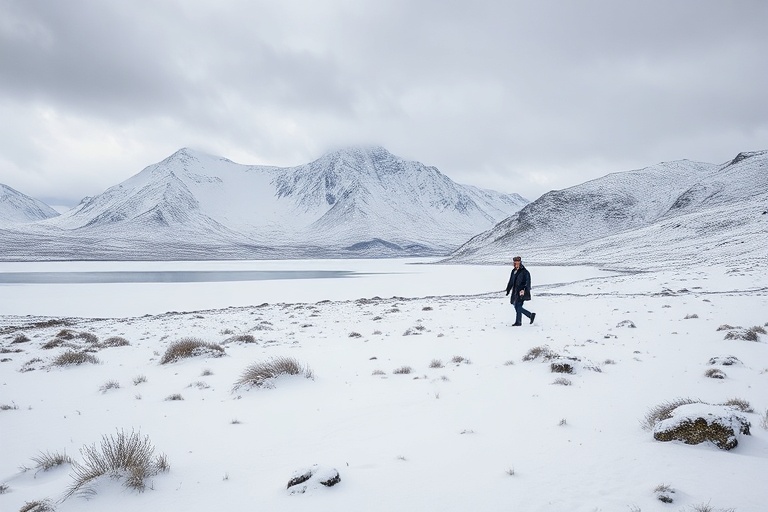
Scotland’s snow is more than just a seasonal event—it’s a force that shapes the land, the economy, and the culture. While it brings challenges, from travel delays to economic uncertainty, it also creates opportunities for adventure, community, and reflection. Whether it’s the thrill of skiing down a mountain or the quiet beauty of a snow-covered loch, winter in Scotland offers something for everyone.
As climate change continues to alter weather patterns, the future of Scotland’s snow remains uncertain. Yet, one thing is clear: when the flakes begin to fall, the country transforms into a place of wonder, where old myths feel alive and new memories are made. For residents and visitors alike, Scotland’s snow is a reminder of nature’s power—and its fragility.
To explore more about Scotland’s outdoor adventures, visit our Travel and Sports sections. Whether you’re planning a winter trip or just dreaming of snow-covered landscapes, Scotland awaits.