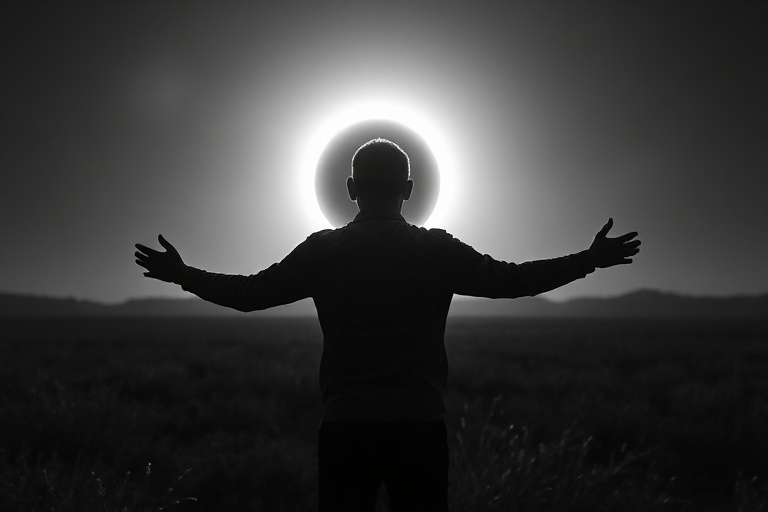
Few songs from the 1980s have endured as long as Bonnie Tyler’s Total Eclipse of the Heart. Released in 1983, the power ballad became an instant classic, topping charts worldwide and cementing its place in pop culture history. With its soaring vocals, dramatic lyrics, and unforgettable melody, the song remains a staple at karaoke nights, weddings, and nostalgic playlists.
The track was written by Jim Steinman, the mastermind behind Meat Loaf’s Bat Out of Hell, and produced by the legendary Jim Steinman and John Jansen. Its gothic romanticism and operatic intensity set it apart from other power ballads of the era. Over 40 years later, Total Eclipse of the Heart continues to captivate new audiences while remaining a defining anthem for those who grew up with it.
The Origins of a Power Ballad Icon
Jim Steinman originally wrote Total Eclipse of the Heart for an unproduced musical called Nosferatu, inspired by the classic vampire film. The song’s dark, theatrical tone aligned perfectly with Steinman’s signature style—think sweeping orchestration, dramatic crescendos, and lyrics that blur the line between love and obsession. When Bonnie Tyler’s team heard the demo, they knew it was a perfect fit for her distinctive raspy voice.
The recording process was intense. Tyler’s vocals were recorded in a single take, capturing the raw emotion that would make the song unforgettable. Producer John Jansen later recalled that the session was so powerful that everyone in the studio was left in stunned silence after the final note. The result was a track that felt both intimate and epic—a hallmark of Steinman’s work.
Upon its release, Total Eclipse of the Heart quickly climbed the charts. It reached No. 1 in the UK, Australia, and Canada, and became a top 10 hit in the US. The accompanying music video, featuring Tyler in a surreal, candlelit schoolhouse with dancers in gothic attire, only added to its mystique. Decades later, the song’s longevity is a testament to its universal appeal.
The Lyrics That Made It Timeless
The lyrics of Total Eclipse of the Heart are a masterclass in metaphorical storytelling. Lines like “Turn around, bright eyes” and “And I will never be the same” tap into universal emotions—longing, heartbreak, and the fear of losing someone. The song’s chorus, with its repeated “Total eclipse of the heart,” serves as both a warning and a plea, making it relatable across generations.
What sets the lyrics apart is their ambiguity. Is the song about a doomed romance? A supernatural force? Steinman’s writing leaves room for interpretation, which is part of its enduring charm. Fans have debated its meaning for decades, adding to its cultural significance. Whether it’s about love or something more sinister, the song’s emotional core is undeniable.
The song’s structure also plays a key role in its impact. The verses build tension with their slow, deliberate delivery, while the chorus explodes into a soaring, anthemic release. This dynamic contrast ensures that the song never feels monotonous, even after countless listens.
Cultural Impact and Legacy
Total Eclipse of the Heart has left an indelible mark on pop culture. It has been covered by artists ranging from Glee’s cast to Panic! At The Disco, each bringing their own twist to the classic. The song has also been featured in films, TV shows, and even video games, further cementing its place in the cultural lexicon.
Its influence extends beyond music. The song’s music video, with its gothic aesthetic and choreographed dancers, has inspired countless homages and parodies. Even today, it remains a go-to choice for dramatic performances, whether in talent shows or viral TikTok trends. Its ability to adapt to new contexts speaks to its timelessness.
Bonnie Tyler herself has embraced the song’s legacy. She continues to perform it in concerts, often as the grand finale, and has even released orchestral versions to keep it fresh. For many, hearing those opening piano chords still evokes a flood of memories—whether from a first dance, a road trip, or a moment of teenage angst.
Why It Still Resonates Today
There are several reasons why Total Eclipse of the Heart has endured. First, its production is a product of its time but feels timeless. The synths and drums of the early ’80s are unmistakable, yet the song’s emotional core is ageless. Second, its themes of love and loss are universal, making it relatable no matter the era.
The song’s adaptability has also played a role in its longevity. It has been remixed, reimagined, and reinterpreted in countless ways. In 2021, for example, a viral TikTok trend used the song’s instrumental to create a dramatic “dark academia” aesthetic. This ability to stay relevant in the digital age is a testament to its versatility.
Finally, Bonnie Tyler’s voice is a defining factor. Her raspy, powerful delivery gives the song a raw edge that many modern pop stars lack. It’s a reminder that sometimes, imperfection is what makes a performance unforgettable.
Where to Experience It Today
If you’re looking to revisit Total Eclipse of the Heart, there are plenty of ways to do so:
- Original Recording: Available on streaming platforms like Spotify and Apple Music.
- Live Performances: Check out Bonnie Tyler’s concert tours or archival footage on YouTube.
- Covers and Remixes: Explore versions by artists like Westlife, Kylie Minogue, and even a haunting a cappella rendition by Pentatonix.
- Merchandise: From vinyl reissues to themed apparel, the song’s imagery is still a hot commodity.
For those who want to dive deeper into the world of ’80s power ballads, Dave’s Locker has curated a collection of classic hits that defined the decade. Whether you’re a longtime fan or a newcomer, Total Eclipse of the Heart is a song that demands to be experienced.
A Final Thought
Total Eclipse of the Heart is more than just a song—it’s a cultural touchstone. Its ability to evoke emotion, inspire creativity, and transcend generations is a rare feat in music. As long as there are people who feel love, loss, and everything in between, this song will never fade into obscurity.
So the next time those iconic piano chords start playing, take a moment to appreciate the artistry behind them. It’s not just a ’80s anthem; it’s a masterpiece.