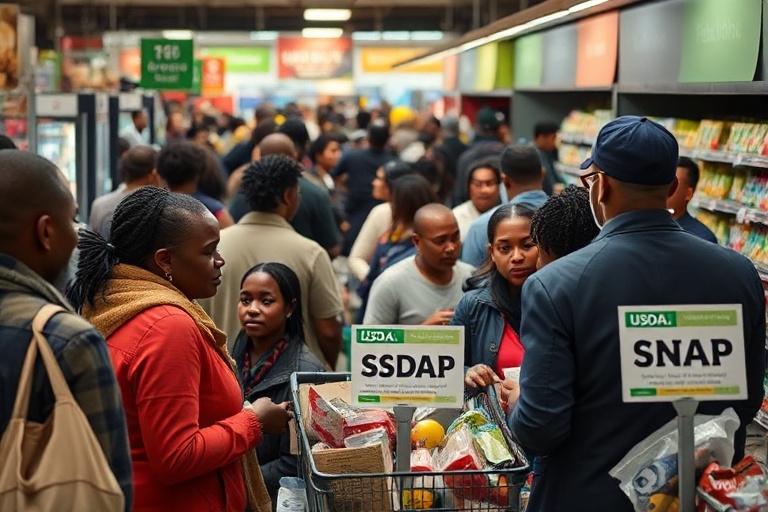
The USDA’s New SNAP Retailer Rules: What Stores Must Know
The United States Department of Agriculture (USDA) has finalized new regulations for retailers participating in the Supplemental Nutrition Assistance Program (SNAP). These rules, announced in late 2023 and phased in through 2024, aim to tighten eligibility requirements for stores that accept SNAP benefits. The goal is to ensure that benefits reach individuals and families in need, rather than being used at retailers that primarily sell unhealthy or luxury items.
The changes reflect broader global trends in social welfare policy, where governments increasingly scrutinize how public assistance funds are spent. Similar debates are playing out in Europe and parts of Asia, where policymakers are balancing the need to support vulnerable populations with the challenge of preventing misuse of assistance programs.
Key Changes in the Updated SNAP Retailer Rules
The USDA’s revisions focus on three primary areas: product mix requirements, stocking standards, and compliance enforcement. These adjustments are designed to close loopholes that some retailers have exploited to qualify for SNAP participation without meeting the program’s original intent.
Under the new rules, stores must now stock a greater variety of staple foods, including fresh produce, dairy, and whole grains. The minimum number of required items has increased, and retailers must maintain adequate inventory levels to ensure consistent availability. Additionally, the USDA has introduced stricter definitions for what constitutes an “eligible food retailer,” particularly for convenience stores and small grocers.
Here’s a breakdown of the critical updates:
- Expanded Staple Food Requirements: Retailers must now offer at least seven varieties of perishable foods (e.g., fresh fruits, vegetables, meat, poultry, or dairy) in addition to the existing staple food categories.
- Minimum Stocking Standards: Stores must maintain a 30-day supply of staple foods to demonstrate consistent availability. Failure to meet this threshold can result in disqualification from SNAP.
- Enhanced Compliance Checks: The USDA has increased the frequency of unannounced inspections and introduced new penalties for retailers found to be out of compliance.
- Stricter Categorization for Retailers: Convenience stores and dollar stores now face tougher scrutiny to prove they meet the definition of a “supermarket” or “grocery store” under SNAP guidelines.
Why These Changes Matter for Retailers and Consumers
The updated rules have significant implications for both retailers and the millions of Americans who rely on SNAP benefits. For retailers, the changes mean additional operational challenges, including inventory management and compliance reporting. Smaller stores, in particular, may struggle to meet the new requirements, potentially leading to reduced participation in the program.
However, advocates for the changes argue that they are necessary to prevent SNAP benefits from being used at retailers that do not prioritize nutritious food options. Studies have shown that access to healthy foods is uneven across the U.S., with low-income communities often having fewer options for fresh produce and other staples. The USDA’s rules aim to address this disparity by incentivizing retailers to stock a broader range of healthy foods.
Globally, similar policy shifts are occurring as governments grapple with food insecurity and nutrition equity. In the United Kingdom, for example, the government has experimented with “ Healthy Start ” vouchers, which can only be used to purchase fresh fruits, vegetables, and milk. Meanwhile, in Canada, some provinces have introduced tax incentives for grocery stores that open in underserved areas, ensuring better access to nutritious foods.
The Broader Impact on Food Access and Policy
The USDA’s SNAP retailer rules are part of a larger conversation about food deserts and nutrition policy in America. Food deserts—areas where residents lack access to affordable, healthy food—are a persistent issue, particularly in rural and low-income urban neighborhoods. While the new rules may not directly create new grocery stores in these areas, they do pressure existing retailers to improve their product offerings.
Critics of the changes argue that they could disproportionately affect small businesses, particularly those in rural communities where options for fresh food are already limited. These retailers may find it difficult to meet the new stocking requirements, leading to their exclusion from SNAP. This could further reduce food access for SNAP recipients in areas that need it most.
On the other hand, supporters of the rules point to the success of programs like the Healthy Food Financing Initiative, which has helped bring grocery stores to underserved communities. They argue that by setting higher standards for SNAP retailers, the USDA can encourage investment in food access initiatives and create a ripple effect that benefits entire communities.
What Retailers Need to Do Next
Retailers currently participating in SNAP or considering joining the program must act quickly to ensure compliance with the new rules. The USDA has provided a transition period, but stores that fail to meet the requirements by the deadline risk losing their SNAP authorization. Here’s a step-by-step guide for retailers:
- Review Inventory and Product Mix: Assess whether your store meets the new staple food requirements. If not, begin adding more varieties of fresh produce, dairy, and whole grains.
- Adjust Stocking Practices: Implement systems to track inventory levels and ensure that staple foods are consistently available. This may require working with suppliers to secure reliable deliveries.
- Train Staff on Compliance: Ensure that employees understand the new rules, particularly regarding product eligibility and reporting requirements.
- Prepare for Inspections: Conduct internal audits to identify and address potential compliance issues before the USDA’s inspections.
- Explore Alternative Revenue Streams: If meeting the new requirements proves too challenging, consider diversifying your product offerings or focusing on other customer segments to offset potential losses from SNAP.
For retailers in rural or underserved areas, the challenge may be even greater. Some may need to collaborate with local governments or nonprofits to secure grants or loans to expand their inventory. Others might explore partnerships with larger grocery chains to share resources and meet the new standards.
Looking Ahead: The Future of SNAP and Food Policy
The USDA’s new SNAP retailer rules are just one piece of a larger puzzle in addressing food insecurity in America. As the program evolves, policymakers will need to balance the need for stricter oversight with the realities of operating a small business in a challenging economic environment.
Looking globally, the trends in social welfare and nutrition policy suggest that governments are increasingly willing to experiment with targeted interventions to improve public health. Whether these policies will ultimately succeed in reducing food insecurity remains to be seen, but the USDA’s updated SNAP rules represent a bold step in that direction.
For now, retailers must adapt quickly to these changes or risk losing a significant source of revenue. Consumers, too, will feel the impact as stores adjust their product offerings to comply with the new rules. The coming years will reveal whether these adjustments lead to measurable improvements in nutrition and food access for SNAP recipients.
As the debate continues, one thing is clear: the intersection of food policy, economics, and public health will remain a critical area of focus for governments, businesses, and communities alike.