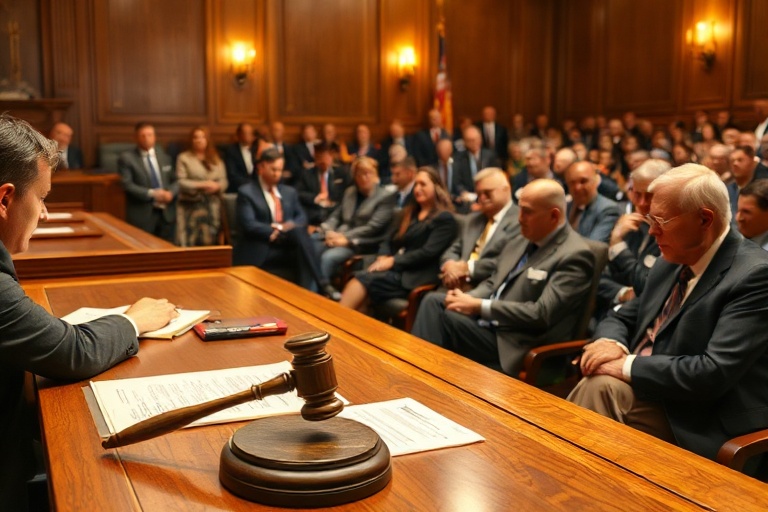
In a legal landscape often dominated by corporate giants, the Capital One class action lawsuit has emerged as a pivotal case for consumers seeking accountability. The lawsuit, which centers on allegations of deceptive practices and hidden fees, has drawn significant attention from both financial regulators and everyday account holders. With the potential to reshape how banks communicate fees and interest rates to customers, this case carries implications far beyond the courtroom.
The Origins of the Capital One Class Action Lawsuit
The roots of the lawsuit trace back to 2022, when a group of plaintiffs filed a complaint against Capital One, alleging that the financial institution engaged in unfair and deceptive practices. The primary accusations include:
- Failing to clearly disclose interest rate changes on credit card balances
- Improperly applying promotional APR terms to customer accounts
- Charging undisclosed fees for services like balance transfers and cash advances
According to court documents, these practices allegedly violated the Truth in Lending Act (TILA) and the Dodd-Frank Wall Street Reform and Consumer Protection Act. The lawsuit asserts that Capital One’s actions resulted in customers paying more than they anticipated, often without their explicit knowledge.
Capital One has denied any wrongdoing, arguing that its policies were clearly stated in customer agreements and that all fees and interest rates were disclosed in compliance with federal regulations. However, the plaintiffs contend that the bank’s disclosures were buried in fine print or presented in a way that obscured the true costs.
Key Legal Arguments and the Path to Certification
The lawsuit gained traction in early 2023 when a federal judge certified it as a class action, allowing thousands of Capital One customers to join the suit. This certification was a critical turning point, as it meant that the case would proceed on behalf of all similarly affected customers, rather than as individual claims.
The plaintiffs’ legal team argued that Capital One’s practices were systemic, affecting a broad swath of its customer base. They presented evidence, including internal bank documents and customer testimonies, to support their claims. For example, one plaintiff cited a credit card statement where the interest rate increased without prior notice, leading to unexpected charges.
The defense, meanwhile, emphasized the importance of contractual agreements. Capital One’s attorneys pointed out that customers agreed to the terms when they signed up for their accounts, and that the bank had provided disclosures in accordance with legal requirements. The bank also argued that the plaintiffs had not suffered any harm, as they had the option to opt out of certain services or close their accounts if they disagreed with the terms.
As the case unfolded, the judge focused on whether the plaintiffs could demonstrate that Capital One’s actions were materially misleading. This required proving that a reasonable consumer would have been deceived by the bank’s disclosures—a high bar to clear in financial litigation.
Potential Outcomes and Broader Implications
If the plaintiffs prevail, the consequences for Capital One could be substantial. A ruling in their favor might require the bank to:
- Issue refunds to affected customers for undisclosed fees and interest charges
- Revise its disclosure practices to ensure greater transparency
- Pay significant legal fees and potential damages to the class members
Beyond the financial impact on Capital One, the case could set a precedent for how other banks and financial institutions communicate with their customers. Regulators, including the Consumer Financial Protection Bureau (CFPB), are closely monitoring the outcome, as it may influence future enforcement actions against financial institutions.
For consumers, the lawsuit underscores the importance of carefully reviewing account agreements and statements. While banks are required to disclose terms, the fine print can often make it difficult for the average customer to fully understand the costs involved. This case may push financial institutions to adopt clearer, more straightforward language in their disclosures.
What This Means for Consumers and the Financial Industry
The Capital One class action lawsuit is more than just a legal battle; it reflects growing consumer frustration with hidden fees and opaque banking practices. In an era where trust in financial institutions remains fragile, cases like this highlight the need for greater accountability.
For customers who believe they have been affected by Capital One’s practices, joining the lawsuit or filing a complaint with the CFPB are viable options. The outcome of this case could also embolden other consumers to challenge similar practices at other banks, creating a ripple effect across the industry.
From a regulatory standpoint, the lawsuit serves as a reminder of the ongoing tension between financial institutions and consumer protection laws. Banks must balance profitability with transparency, while regulators must ensure that disclosures are meaningful and not designed to mislead. As the legal process continues, the broader implications for the financial industry will become clearer.
Conclusion: A Case with Far-Reaching Consequences
The Capital One class action lawsuit is a critical moment for consumer rights in the financial sector. Whether it results in a settlement, a court ruling, or further regulatory scrutiny, the case has already sparked important conversations about transparency, accountability, and the power dynamics between banks and their customers.
For now, the legal battle continues, with both sides preparing for what could be a protracted fight. But one thing is certain: the outcome will have lasting effects on how financial institutions operate and how consumers interact with them. As the case progresses, staying informed and advocating for clearer disclosures will be essential for anyone navigating the complex world of banking.
For more insights into financial litigation and consumer rights, explore our Analysis and Business categories on Dave’s Locker.