<!DOCTYPE html>
<html lang="en">
<head>
    <meta charset="UTF-8">
    <meta name="viewport" content="width=device-width, initial-scale=1.0">
    <title>Coquimbo Unido vs Tolima: A Clash of Styles and Ambitions</title>
</head>
<body>
    <article>
        <h1>Coquimbo Unido vs Tolima: A Clash of Styles and Ambitions</h1>

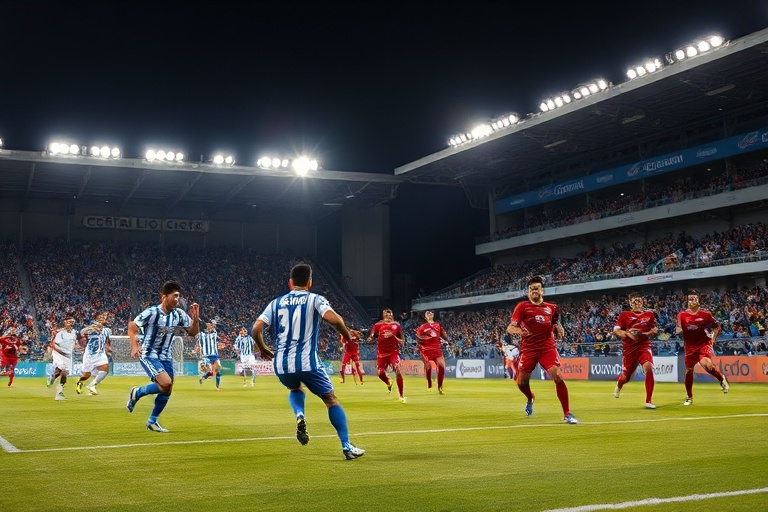
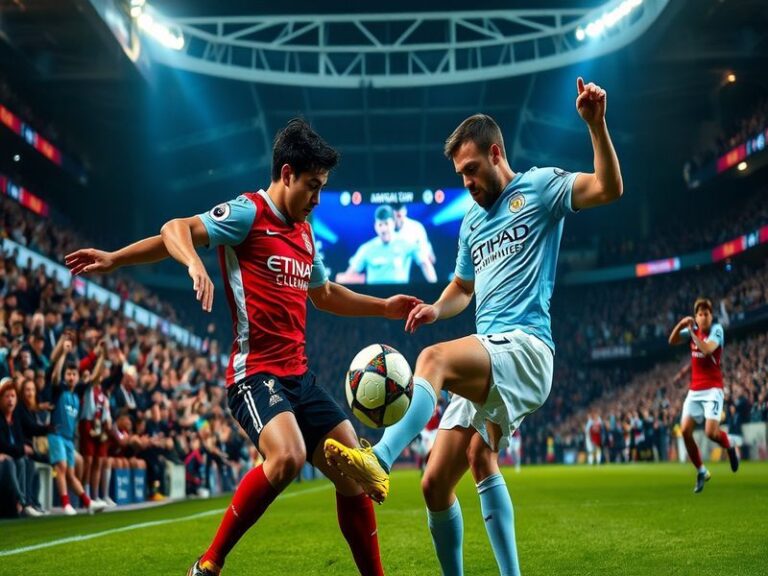
        <p>When Chilean Primera División side Coquimbo Unido faces Colombian Categoría Primera A outfit Tolima, the contrast in styles and ambitions becomes immediately apparent. The matchup isn’t just about three points—it’s about contrasting philosophies, tactical approaches, and the relentless pursuit of glory. Coquimbo Unido, a club with deep local roots but limited resources, often relies on defensive solidity and quick counterattacks. Tolima, meanwhile, prides itself on possession-based football and technical prowess, backed by financial backing that allows for more ambitious recruitment.</p>

        <p>Their most recent encounter in the Copa Libertadores highlighted these differences. Coquimbo Unido entered the match as underdogs, while Tolima arrived as a team with continental experience and a clear identity. What unfolded was a tactical chess match where moments of individual brilliance clashed with disciplined teamwork. For neutrals, it was a fascinating study in contrasts. For the teams involved, it was a high-stakes battle where pride and progression were on the line.</p>

        <h2>The Tactical Battle: Pragmatism vs. Possession</h2>

        <p>Tolima’s approach under manager Hernán Torres has become synonymous with controlled, possession-heavy football. The team averages upwards of 55% possession in most matches, using short passing and positional rotations to break down defenses. Their midfield trio—often composed of creative playmakers and box-to-box athletes—dictates the tempo, while their wingers stretch play and create overloads on the flanks. Defensively, Tolima presses high when out of possession, aiming to force turnovers and transition quickly into attack.</p>

        <p>Coquimbo Unido, under the guidance of veteran coach Cristian Maestri, presents a stark contrast. Known for their resolute defensive structure, the Chilean side typically sets up in a low block, absorbing pressure before launching rapid counters through their pacey forwards. Their fullbacks push high only when necessary, and their midfield operates as a compact unit, prioritizing recovery over creativity. The team’s offensive output relies heavily on individual moments—perhaps a long ball from the back or a sudden run in behind the defense.</p>

        <p>In their last meeting, Tolima dominated possession but struggled to carve open Coquimbo’s low block, particularly in the first half. Coquimbo, meanwhile, looked to exploit spaces behind Tolima’s high line, with striker Gastón Lezcano nearly scoring from a counterattack in the 28th minute. The tactical duel wasn’t just about formations—it was about mindset. Tolima wanted to control the game; Coquimbo wanted to survive and strike.</p>

        <h3>Key Tactical Elements in Play</h3>
        <ul>
            <li><strong>Pressing Intensity:</strong> Tolima’s high press forces Coquimbo into mistakes, but Coquimbo’s disciplined positioning limits dangerous turnovers.</li>
            <li><strong>Counterattacking Speed:</strong> Coquimbo’s forwards use quick transitions to exploit spaces left by Tolima’s aggressive fullbacks.</li>
            <li><strong>Midfield Battle:</strong> Tolima’s technical superiority in midfield often collides with Coquimbo’s physical presence and defensive organization.</li>
            <li><strong>Set-Piece Threat:</strong> Both teams are dangerous from dead-ball situations, with Tolima’s height advantage in defense and Coquimbo’s aerial threat in attack.</li>
        </ul>

        <h2>Recent Form and Season Context</h2>

        <p>Heading into their latest showdown, Coquimbo Unido sat mid-table in the Chilean league, clinging to a playoff spot. Their form had been inconsistent—strong at home, particularly at the Francisco Sánchez Rumoroso stadium, but struggling on the road. Their Copa Libertadores campaign had been equally challenging, with just one win in their opening five matches. Yet, there was a sense of resilience. Maestri’s side had pulled off notable results against higher-ranked opponents, proving their ability to frustrate more talented teams.</p>

        <p>Tolima, on the other hand, entered the match in imperious form. The Colombian side topped their Copa Libertadores group with ease, defeating Brazilian giants Palmeiras and grinding out results against weaker opposition. Domestically, they sat comfortably in the top four of the Categoría Primera A, with an attacking unit that had scored more goals than any other team in the league. Their continental experience gave them an edge in big moments, and their squad depth allowed them to rotate without losing intensity.</p>

        <p>The contrast in season trajectories underscored the broader narrative: Coquimbo Unido fighting for relevance, Tolima chasing titles. Yet, football has a habit of producing upsets. Coquimbo’s history includes an unlikely Copa Chile triumph in 2019, while Tolima boasts multiple league championships and a Copa Libertadores semifinal appearance in 2018. This matchup was more than a statistical footnote—it was a clash of identities.</p>

        <h2>Individual Battles That Could Decide the Game</h2>

        <p>While tactics set the stage, individual duels often determine the outcome. In the Coquimbo Unido vs. Tolima fixture, several key matchups stood out as potential game-changers.</p>

        <p>On the flank, Tolima’s winger Jhon Vásquez faced Coquimbo’s right-back Matías Fernández. Vásquez, known for his dribbling and crossing ability, had tormented defenses throughout the tournament. Fernández, a composed defender with good recovery pace, would need to stay disciplined while also preventing Vásquez from cutting inside onto his stronger left foot. A single mistake here could lead to a decisive chance.</p>

        <p>In midfield, Tolima’s playmaker Jorge Arias squared off against Coquimbo’s anchor midfielder, David Tati. Arias, a maestro of tempo and vision, often operates as the deep-lying creator. Tati, meanwhile, is a defensive-minded midfielder who excels in interceptions and long-range passing. The battle between creativity and containment would be pivotal—if Arias could receive the ball cleanly, he could unlock Coquimbo’s defense. If Tati could limit his influence, Coquimbo’s counters would have more space to operate.</p>

        <p>Up front, Tolima’s burly striker, Marco Pérez, tested Coquimbo’s backline with his physical presence and aerial ability. Opposite him, Coquimbo’s Lezcano brought speed and movement, constantly probing for gaps. Pérez’s ability to hold up play and bring teammates into the attack would be crucial, while Lezcano’s movement could drag Tolima’s center-backs out of position, creating channels for Coquimbo’s midfield runners.</p>

        <p>These individual battles weren’t just about skill—they were about mental resilience. In high-pressure moments, players like Arias and Tati would need to maintain composure, while forwards like Pérez and Lezcano would need to stay focused on their roles rather than the occasion.</p>

        <h2>What’s at Stake Beyond the Result</h2>

        <p>Beyond the immediate points or continental progression, this matchup carried broader implications for both clubs. For Coquimbo Unido, a positive result could reignite their playoff hopes and validate Maestri’s pragmatic approach. A strong performance against a continental heavyweight like Tolima would send a message to the league that they are more than just a mid-table side. It could also boost morale heading into a crucial run of fixtures.</p>

        <p>For Tolima, the game was about maintaining momentum. With a talented squad and continental ambitions, they are positioning themselves as a team to watch in South American football. A win would reinforce their status as title contenders both domestically and in the Copa Libertadores. More importantly, it would demonstrate their ability to handle pressure in away games—a crucial trait for any aspiring champion.</p>

        <p>There’s also the matter of prestige. Coquimbo Unido may not have the financial muscle of Tolima, but they represent the heart of Chilean football’s underdog spirit. Tolima, meanwhile, embodies the ambition of Colombian football, a league that has produced world-class talent and is now aiming to reclaim its place among South America’s elite. This clash was a microcosm of those broader narratives.</p>

        <h3>Long-Term Implications</h3>
        <ol>
            <li><strong>Coquimbo Unido:</strong> A strong result could attract more investment and interest in the squad, particularly if young players shine.</li>
            <li><strong>Tolima:</strong> Consistent performances in high-profile matches could elevate their continental profile and attract bigger sponsorships.</li>
            <li><strong>League Dynamics:</strong> A Coquimbo win could shake up the Chilean league standings; a Tolima victory could reinforce their dominance in Colombia.</li>
            <li><strong>Player Development:</strong> Standout performances could lead to transfer opportunities or increased interest from larger clubs.</li>
        </ol>

        <p>Ultimately, Coquimbo Unido vs. Tolima was more than just a football match. It was a collision of philosophies, a test of mental fortitude, and a reminder that in football, the underdog narrative often resonates just as loudly as the tale of the favorite.</p>

        <p>As the two teams prepare for their next encounter, one thing is certain: when these two styles meet, the result is rarely predictable. Coquimbo’s resilience against Tolima’s technical brilliance creates a compelling dynamic—one that keeps fans on the edge of their seats and underscores why football remains the world’s most beloved sport.</p>
    </article>

    <p><a href="https://www.daveslocker.net/sports">More sports analysis and match previews</a> can be found on our dedicated page.</p>
    <p>For deeper insights into tactical trends in South American football, visit our <a href="https://www.daveslocker.net/analysis">Analysis section</a>.</p>

    <!-- Metadata -->