corsica
“`html
Corsica: Europe’s Hidden Gem of Mountain and Sea
Nestled in the Mediterranean Sea, Corsica stands as a testament to nature’s artistry. Often overshadowed by its more famous neighbors, this French island offers a unique blend of rugged mountains, pristine beaches, and rich cultural heritage. Unlike the typical tourist hotspots, Corsica rewards those who venture beyond the surface with its untouched landscapes and authentic charm.
The island’s geography is its most striking feature. With over 1,000 kilometers of coastline, Corsica boasts some of the clearest waters in Europe. Yet, it’s the interior that truly captivates. The GR20, one of the world’s most challenging hiking trails, winds through the Corsican Mountains, offering breathtaking views that few destinations can match. This duality of coastal serenity and alpine adventure makes Corsica a rare find.
A Landscape of Contrasts
Corsica’s terrain is a study in contrasts. The island is divided into two distinct regions: the rugged, wild interior and the gentler, more developed coastline. The Corsican Mountains, part of the larger Corsican Massif, dominate the landscape. Peaks like Monte Cinto, the island’s highest point at 2,706 meters, provide a dramatic backdrop to the island’s valleys and villages.
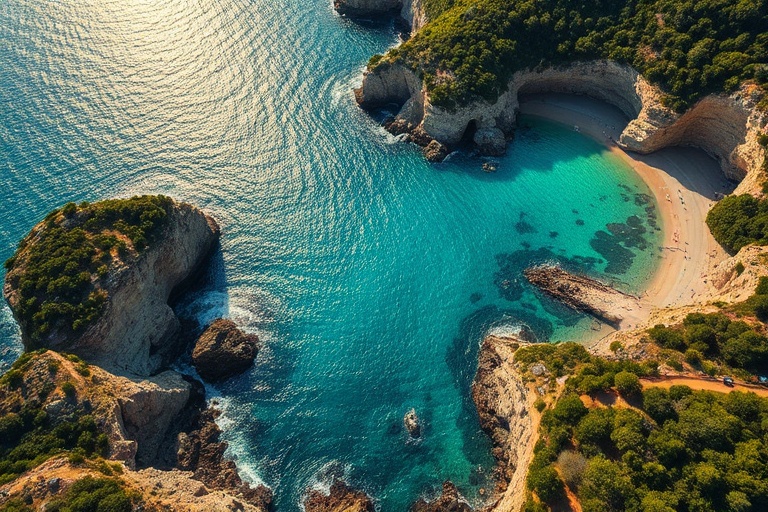
The coastline, by contrast, is a tapestry of hidden coves, sandy beaches, and dramatic cliffs. The Scandola Nature Reserve, a UNESCO World Heritage site, is a prime example. Its red cliffs and turquoise waters create a surreal, almost otherworldly scene. Meanwhile, the Desert des Agriates offers miles of golden sand dunes, untouched by mass tourism.
This juxtaposition of rugged mountains and serene beaches is what makes Corsica so appealing. It’s a place where adventure seekers can hike through alpine passes by day and unwind on secluded beaches by night. The island’s geography ensures that no two experiences are alike, whether you’re exploring the Gorges de la Restonica or sailing through the Lavezzi Islands.
Exploring the Interior: A Hiker’s Paradise
The Corsican interior is a haven for hikers and nature lovers. The GR20, often described as Europe’s toughest long-distance trail, stretches 180 kilometers from Calenzana to Conca. It passes through some of the island’s most remote and stunning landscapes, including glacial lakes, granite peaks, and alpine meadows. Completing the GR20 is a rite of passage for serious hikers, but even shorter trails offer incredible rewards.
For those who prefer a gentler pace, the Niolu Valley and the Vallée de la Restonica provide stunning day hikes. The Restonica Valley, in particular, is famous for its crystal-clear rivers and waterfalls, making it a popular spot for swimming and picnicking. The island’s maquis—a dense, aromatic shrubland—adds to the sensory experience, releasing its distinctive scent as you explore.
Villages like Soccia and Evisa offer a glimpse into Corsica’s rural life. These small settlements are often built into the mountainside, with stone houses clustered around a central church. The pace of life here is slow, dictated by the rhythms of agriculture and the seasons. Visiting these villages provides a stark contrast to the bustling coastal resorts and a deeper understanding of Corsican culture.
Cultural Riches and Culinary Delights
Corsica’s culture is as diverse as its landscape. The island has been shaped by a mix of Italian, French, and Genoese influences, reflected in its architecture, language, and cuisine. The Corsican language, a dialect of Italian, is still spoken by many locals, adding to the island’s unique character. Traditional festivals, such as the Fête de la Saint-Jean in June, celebrate Corsican heritage with music, dance, and fireworks.
Corsican cuisine is a celebration of local ingredients and rustic flavors. Dishes like wild boar stew, figatellu (a type of sausage), and brocciu (a fresh sheep’s milk cheese) are staples. The island’s chestnut flour is used in everything from bread to desserts, while its seafood—particularly lobster and sea urchin—is fresh and abundant. Pairing these dishes with a glass of Patrimonio or Ajaccio wine from the island’s vineyards completes the experience.
For a deeper dive into Corsican culture, visit the Musée de la Corse in Corte. The museum offers insights into the island’s history, from its prehistoric roots to its role in the French Revolution. It’s a great starting point for understanding how Corsica’s past has shaped its present identity.
A Culinary Journey Through Corsica
Food is a cornerstone of Corsican culture, and the island’s cuisine is a reflection of its landscape. The maquis, with its wild herbs like rosemary, thyme, and myrtle, infuses many dishes with a distinctive flavor. Here are some must-try Corsican specialties:
- Fiadone: A sweet ricotta cheesecake flavored with lemon zest and often infused with a local liqueur like myrtle or chestnut.
- Pulenda: A polenta-like dish made from chestnut flour, often served with a rich ragù or cheese.
- Cazzu di Furmintinu: A goat cheese wrapped in chestnut leaves, aged to perfection.
- Canistrelli: Buttery, anise-flavored biscuits that are perfect with coffee or dessert wine.
Markets are the best places to experience Corsican food culture. The Marché de Bastia and the Marché de Porto-Vecchio are vibrant hubs where locals and visitors alike can sample fresh produce, cheeses, and charcuterie. Don’t miss the opportunity to try brocciu, a versatile cheese that can be eaten fresh, grilled, or baked into dishes.
Preserving Paradise: The Challenges of Tourism
Despite its many charms, Corsica faces challenges in balancing tourism with environmental preservation. The island’s popularity has grown steadily, particularly among hikers and eco-tourists seeking alternatives to more crowded destinations. However, increased foot traffic on trails like the GR20 has raised concerns about erosion and habitat disruption.
Local authorities and conservation groups are working to mitigate these impacts. Initiatives like Leave No Trace principles and designated camping areas aim to protect the island’s fragile ecosystems. Meanwhile, sustainable tourism projects are encouraging visitors to support local businesses and respect the environment. For example, staying in family-run agriturismi (farm stays) or dining at locally sourced restaurants helps ensure that tourism benefits the community directly.
Another challenge is the seasonality of tourism. The coastal areas thrive in the summer, but the interior can feel deserted outside of peak months. This imbalance puts pressure on local economies during the off-season. Efforts are underway to promote year-round tourism, such as winter hiking and cultural festivals, to spread the benefits more evenly.
Visitors can play a role in preserving Corsica’s beauty by adhering to sustainable practices. Stick to marked trails, avoid littering, and support businesses that prioritize eco-friendly operations. By doing so, you help ensure that Corsica remains a pristine paradise for future generations.
Sustainable Travel Tips for Corsica
If you’re planning a trip to Corsica, consider these tips to minimize your environmental impact:
- Use public transport or carpool: Corsica’s buses and trains connect major towns, reducing the need for rental cars.
- Stay in eco-friendly accommodations: Look for lodgings that use renewable energy, recycle waste, and support local conservation efforts.
- Respect wildlife: Keep a safe distance from animals and avoid disturbing nests or habitats.
- Choose low-impact activities: Opt for guided hikes, kayaking, or cycling tours that emphasize sustainability.
- Support local businesses: Buy souvenirs and food from local artisans and markets to contribute to the island’s economy.
Why Corsica Deserves Your Attention
Corsica is more than just a destination; it’s an experience. Whether you’re drawn by the allure of its untouched landscapes, the richness of its culture, or the authenticity of its cuisine, the island offers something for every traveler. It’s a place where you can disconnect from the hustle of modern life and reconnect with nature and tradition.
For those seeking adventure, Corsica delivers with its challenging hikes, crystal-clear waters, and hidden trails. For food lovers, it’s a culinary adventure waiting to be explored. And for culture enthusiasts, the island’s history and traditions provide a fascinating narrative to uncover.
As tourism continues to grow, Corsica stands at a crossroads. The decisions made today will shape its future as a destination. By visiting responsibly and supporting sustainable practices, travelers can help preserve the island’s magic. Corsica may be Europe’s best-kept secret, but its time in the spotlight is well-deserved.
So, whether you’re planning your first trip or dreaming of returning, Corsica promises an unforgettable journey. Pack your hiking boots, your swimsuit, and an appetite for discovery—this Mediterranean gem is waiting.