Discovering the Geological and Cultural Richness of Death Valley
Exploring the Wonders of Death Valley
Death Valley, a striking desert landscape in California, is renowned for its extreme conditions and unique geological features. As one of the hottest places on Earth, it presents a fascinating study of resilience and adaptation in nature. Visitors flock to this national park to experience its surreal beauty, but there is more to discover beyond its harsh exterior.
Geological Marvels
The geological formations found in Death Valley are a testament to millions of years of natural processes. The valley is home to a variety of landscapes, including salt flats, sand dunes, and rugged mountains. Here are some key geological highlights:
- Badwater Basin: The lowest point in North America, sitting at 282 feet below sea level.
- Zabriskie Point: Famous for its stunning views of the golden badlands and eroded hills.
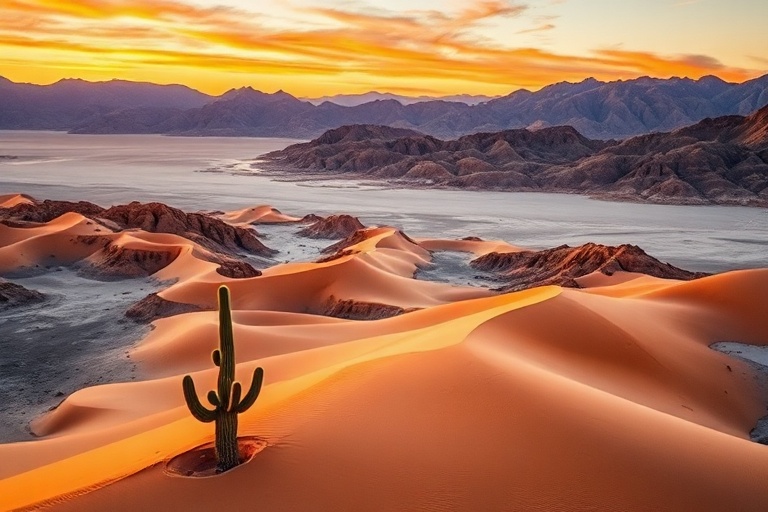
- Mesquite Flat Sand Dunes: The largest sand dunes in the park, known for their picturesque ripples.
- Devil’s Golf Course: A vast salt pan with sharp salt formations that create an otherworldly landscape.
Each of these features tells a story about the forces that shaped them, including volcanic activity, erosion, and climatic changes. The stark contrasts in the terrain highlight the dynamic nature of Earth’s geology.
Climate and Ecosystem
Death Valley’s climate is characterized by extreme heat, particularly during the summer months when temperatures can soar above 130°F. However, this harsh environment surprisingly supports a range of life forms. The park’s ecosystem includes:
- Flora: Despite the arid conditions, several plant species such as creosote bush and desert marigold thrive here.
- Fauna: Animals like the desert tortoise, bighorn sheep, and various reptiles have adapted to survive in this environment.
- Seasonal Changes: The park experiences rare wildflower blooms after significant rainfall, transforming the landscape.
The resilience of life in such an unforgiving climate is a reminder of nature’s adaptability. The unique flora and fauna contribute to the ecological diversity of the region, making it a vital area for conservation efforts.
Cultural Significance and Human Impact
Death Valley is not only a natural wonder but also a site of historical significance. Indigenous peoples, including the Timbisha Shoshone, have inhabited the area for thousands of years, utilizing its resources for survival. Their rich cultural heritage adds depth to the understanding of this landscape.
However, human activities have also left their mark. Mining operations in the 19th and early 20th centuries altered parts of the valley, and tourism continues to shape its future. The balance between conservation and accessibility is crucial. Efforts are underway to preserve the natural state of Death Valley while allowing visitors to appreciate its beauty.
Conclusion
Death Valley is a complex tapestry of geological wonders, unique ecosystems, and rich cultural history. Its extreme environment may seem inhospitable, yet it showcases the resilience of life and the intricate processes that shape our planet. With ongoing conservation efforts, there is hope for the preservation of this remarkable landscape for future generations. The juxtaposition of beauty and harshness in Death Valley serves as a powerful reminder of nature’s enduring spirit.
For those interested in exploring more about stunning landscapes and natural wonders, visit our Travel and Science categories.