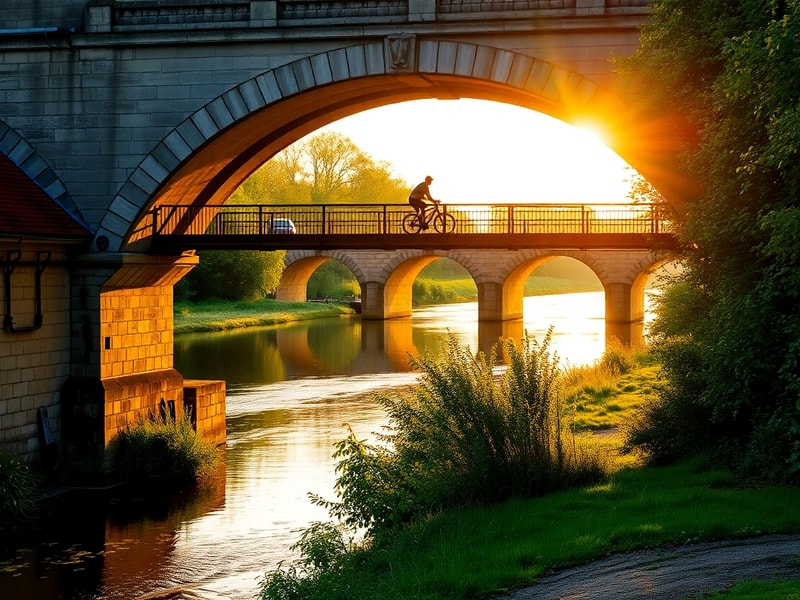
April in the United Kingdom arrives with a reputation for unpredictability. Often described as a month of transition, it bridges the gap between the lingering chill of winter and the tentative warmth of spring. While southern Europe begins to bask in Mediterranean sunshine, the UK remains caught in a meteorological tug-of-war, where sunshine and showers alternate with dizzying speed. This year, the pattern is no different—but with subtle shifts influenced by broader climatic trends.
The British Isles sit at a latitude where polar and tropical air masses frequently clash. April’s weather is defined by this tension, creating a dynamic that has shaped cultural rhythms for centuries. Farmers, festival planners, and even poets have long relied on folklore to predict conditions, though modern meteorology now offers more reliable insights. Understanding what April brings requires examining both historical trends and the latest forecasts.
The Long-Range Forecast: A Seasonal Transition
According to the Met Office, April 2024 is expected to begin with a mix of high-pressure systems and Atlantic lows, leading to a classic British blend of sunshine, showers, and occasional wind. Early April may see temperatures hover around the seasonal average—typically 10–14°C (50–57°F)—with milder spells in the south and cooler pockets in northern Scotland and Northern Ireland. Overnight frosts remain possible, particularly in rural areas, a reminder that winter’s grip isn’t fully relinquished.
By mid-month, longer daylight hours and stronger solar radiation begin to assert themselves. This often leads to more pronounced warming during daytime, especially in sheltered valleys and urban areas like London or Manchester. However, the jet stream’s position remains crucial. A southerly track can drag warm air from the Azores, while a northerly dip can pull in Arctic blasts, bringing unseasonal snow to higher elevations.
The Met Office’s three-month outlook suggests April may lean slightly milder than average, with rainfall close to or slightly below normal for most regions. Yet, as any Briton knows, such predictions come with caveats. April’s weather is notorious for defying expectations, and local microclimates—from the Lake District’s damp embrace to East Anglia’s drier air—play a defining role.
Cultural and Historical Context: April in British Life
April has long been woven into the cultural fabric of the UK. Easter, a movable feast tied to the lunar calendar, often falls in March or April, bringing with it traditions like egg hunts, Simnel cake, and church services. The holiday’s timing coincides with the first signs of spring growth, reinforcing themes of rebirth and renewal. Yet, Easter in Britain is just as likely to be celebrated under a hailstorm as under a clear sky—a reflection of the month’s mercurial nature.
April also marks the start of the outdoor event season. From village fêtes to music festivals like Coachella-style gatherings, organisers must navigate a minefield of weather risks. The famous 1967 Isle of Wight Festival began in August, but smaller-scale events have been known to relocate or cancel due to April downpours. Local councils and event planners increasingly rely on micro-forecasting tools to make last-minute decisions, a far cry from the days when farmers’ almanacs were the only guide.
Historically, April weather has influenced everything from agriculture to warfare. The Battle of Culloden in 1746 was fought in freezing conditions, while the Dambusters raid in 1943 required precise moonlight and calm winds. Even literature reflects this relationship—Thomas Hardy’s novels often use April’s unpredictability to mirror human fate, with characters caught between hope and hardship.
Regional Variations: From Cornwall to the Cairngorms
The UK’s weather varies dramatically from region to region in April, shaped by geography and proximity to the sea. A useful way to understand these differences is to group forecasts by landscape type:
- Southern England (e.g., London, Kent): Warmer and drier on average, with temperatures often reaching 14–16°C (57–61°F) during sunny spells. However, coastal areas like Brighton can experience sharp showers driven in from the Channel. Easter holidays here are popular with domestic tourists, though sudden cold snaps can disrupt plans.
- Wales and the West Country (e.g., Devon, Pembrokeshire): Known for high rainfall, especially in upland areas like Snowdonia. April is one of the wetter months, with frequent westerly winds bringing moisture from the Atlantic. The contrast between sheltered valleys and exposed ridges is striking.
- Northern England and the Midlands (e.g., Yorkshire, Lancashire): Cooler and more variable. Manchester and Leeds often see a mix of sunshine and showers, with temperatures struggling to exceed 12°C (54°F). The Pennines can still receive snow, particularly at night.
- Scotland and Northern Ireland: The most unpredictable of all. In the Highlands and Islands, April can feel like a continuation of winter, with frost and even snow possible. Edinburgh and Glasgow benefit from urban heat islands but remain vulnerable to cold easterly winds. Northern Ireland’s coastal areas, like County Down, are milder but prone to sudden changes.
These regional differences highlight why generalised forecasts often fall short. Local knowledge—whether from a farmer in Cumbria or a surfer in Cornwall—remains invaluable. It’s a reminder that in the UK, geography is destiny when it comes to weather.
How to Prepare: Tips for April in the UK
Whether you’re planning a garden party, a hiking trip, or a weekend getaway, April’s weather demands adaptability. Here’s a practical guide to staying ahead of the elements:
- Layer your clothing: A lightweight waterproof jacket is essential, paired with breathable base layers. Temperatures can swing by 10°C in a single day.
- Check forecasts daily: Use apps like the Met Office or BBC Weather for hourly updates. Sudden showers can appear without warning.
- Plan indoor alternatives: If you’re hosting an outdoor event, identify a nearby café, museum, or covered venue as a backup.
- Protect your garden: April’s warmth can trick plants into early growth, only for frost to return. Use fleece or cloches to shield tender blooms.
- Embrace the unpredictability: Instead of fighting the weather, let it guide your activities. A rainy morning can lead to a cosy afternoon with a book or a museum visit.
For those planning to travel within the UK in April, flexibility is key. Road conditions in upland areas can deteriorate quickly with rain or snow, while coastal routes may be affected by high winds. Trains and buses are generally reliable, but delays are not uncommon during sudden weather events.
Looking Ahead: April in a Changing Climate
Climate change is subtly reshaping April’s weather patterns. While no single event can be attributed to global warming, data from the Met Office suggests a trend toward milder Aprils, with fewer frost days and slightly higher average temperatures. This aligns with broader observations of earlier springs across Europe.
However, the UK’s position between the Atlantic and continental Europe means it remains vulnerable to extreme swings. The “Beast from the East” in 2018 brought heavy snow in late February and early March, a reminder that cold snaps can linger into spring. Similarly, the 2020 Easter heatwave saw temperatures exceed 20°C (68°F) in parts of the UK, a rare but increasingly plausible event.
Scientists warn that while average conditions may shift, variability will persist. April could become both milder and more erratic, with sudden heatwaves followed by Arctic incursions. This duality reflects the UK’s status as a climate change hotspot, where the effects are felt keenly but unevenly.
For now, April remains a month of contrasts—sunshine on the beach one day, hailstones on the garden the next. It’s a microcosm of the British character: resilient, adaptable, and always ready for a surprise.
As the days lengthen and the first swallows return, the UK steps into spring with cautious optimism. April’s weather may be unpredictable, but it’s also a testament to the land’s enduring ability to surprise.