Eurogamer: A Pillar of Gaming Journalism for Two Decades
Eurogamer stands as one of the most respected and long-standing voices in European video game journalism. Since its launch in 1999, the platform has grown from a modest UK-based website into a global network of regional editions, delivering reviews, news, features, and opinion pieces to millions of gamers across the continent and beyond. Its influence extends beyond mere coverage—Eurogamer has shaped how games are discussed, reviewed, and understood in a media landscape that has evolved dramatically over the past 25 years.
What began as a passion project by brothers John and Simon Parkin has transformed into a cultural touchstone for European gamers. Unlike many outlets that chase viral trends or corporate sponsorships, Eurogamer has maintained a reputation for independence, integrity, and thoughtful critique. Its editorial voice often balances enthusiasm with skepticism, a rare combination in an industry where hype cycles can overshadow nuanced discussion.
The Evolution of a Digital Media Institution
Eurogamer launched on September 4, 1999, during an era when gaming journalism was still finding its footing online. Early gaming sites were often tied to print magazines or focused on cheats and walkthroughs. Eurogamer distinguished itself by offering in-depth reviews, previews, and features written by gamers for gamers—without the jargon-heavy tone of many competitors. This approach resonated with a growing European audience eager for authentic perspectives on titles like The Sims, Deus Ex, and Half-Life.
By the mid-2000s, Eurogamer had expanded beyond the UK, launching dedicated regional sites in Germany, Italy, Spain, France, and the Nordic countries. This localization wasn’t just about language—it reflected a deep understanding of cultural differences in gaming preferences and consumption. For example, German players historically favored strategy and simulation games, while French audiences showed strong engagement with narrative-driven experiences. Eurogamer’s regional teams cultivated expertise in these distinctions, offering tailored content that resonated locally while maintaining a cohesive global identity.
The platform also pioneered long-form journalism in gaming media. Features like “The Making of…” series delved into the creative processes behind landmark titles, offering readers a rare glimpse into development studios and design philosophy. These pieces elevated Eurogamer from a review site to a publication capable of chronicling the artistry of gaming—a status it still holds today.
Editorial Philosophy: Independence and Depth
One of Eurogamer’s defining traits is its editorial independence. Unlike many gaming outlets that rely on advertising revenue from publishers or platform holders, Eurogamer has historically prioritized reader trust over corporate partnerships. This stance has occasionally put it at odds with the industry—most notably in 2015, when the site refused to participate in a pre-launch review program for a major console due to concerns about editorial bias.
The site’s review system is another hallmark of its approach. Eurogamer uses a 5-star rating scale but supplements it with detailed breakdowns of gameplay, design, narrative, and technical performance. This granularity allows readers to understand why a game earns a particular score, not just the final number. The platform also maintains a strict “no score before release” policy for most reviews, emphasizing playtime and context over first impressions.
Eurogamer’s opinion pieces and editorials tackle industry issues with a level of rigor often missing in gaming discourse. Topics range from the ethics of microtransactions and loot boxes to the cultural impact of esports and streaming. These discussions are framed not as rants or fan service, but as thoughtful analyses grounded in reporting and expert interviews. This commitment to depth has earned the site respect even from critics who disagree with its stance.
A Platform for Gamers, by Gamers
Eurogamer’s audience is as diverse as the games it covers. While its core readership skews toward 18-35-year-old enthusiasts, the platform attracts casual players, industry professionals, and even academics studying gaming culture. This breadth is reflected in its content mix: from hardcore analysis of game engines to beginner-friendly guides for newcomers to the medium.
The site’s forums have long been a hub for community discussion, though their activity has waned in the era of social media. Still, Eurogamer’s comment sections remain more civil and substantive than many alternatives, a testament to its moderation policies and engaged user base. The platform also hosts podcasts, video content, and live events, further diversifying its engagement strategies.
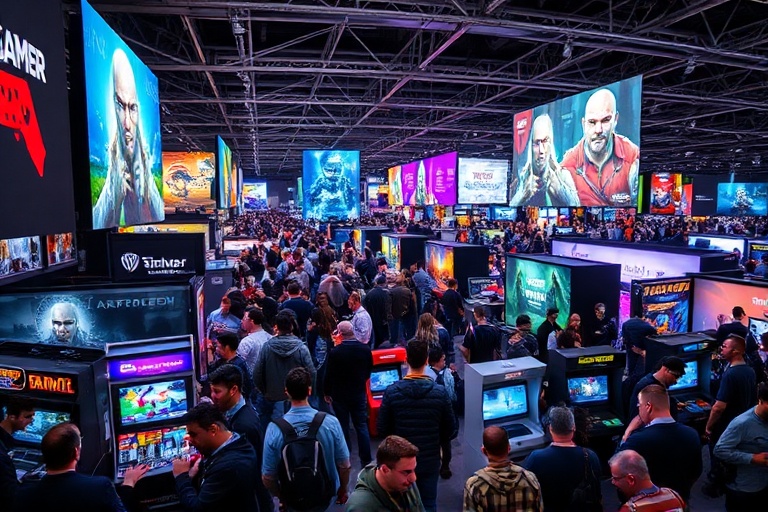
Eurogamer’s influence extends into the industry itself. Developers and publishers often cite positive reviews or features from Eurogamer as career-defining moments. The site’s annual “Eurogamer Expo” (later rebranded as EGX) became one of Europe’s largest gaming conventions, showcasing indie titles alongside AAA releases and fostering connections between creators and players.
Challenges and the Road Ahead
Like all media organizations, Eurogamer has faced challenges in the digital age. The rise of video-first platforms like Twitch and YouTube has shifted how gamers consume content, forcing traditional outlets to adapt. Eurogamer has responded by expanding its video output, though it has resisted the clickbait tactics that dominate YouTube’s gaming sphere. Its video reviews and event coverage prioritize substance over sensationalism, a choice that has earned both praise and criticism.
Financial sustainability is another ongoing concern. While Eurogamer has never been a corporate giant, its revenue model—relying on advertising, affiliate links, and reader donations—has become less reliable in an era of ad-blockers and algorithm-driven content distribution. The site has experimented with membership models and exclusive content, but balancing accessibility with monetization remains a delicate act.
Despite these hurdles, Eurogamer continues to thrive as a cultural institution. Its recent coverage of topics like AI in gaming, the ethics of virtual economies, and the global impact of cloud gaming demonstrates its relevance in an ever-changing landscape. The platform’s ability to evolve while staying true to its core values—honesty, depth, and independence—will determine its longevity in an industry that often prioritizes speed over substance.
Why Eurogamer Matters in the Global Gaming Ecosystem
Eurogamer’s legacy is more than just a collection of articles or a list of review scores. It represents a model of how gaming journalism can serve both players and the industry without sacrificing integrity. In an era where gaming is increasingly recognized as a legitimate art form and economic force, outlets like Eurogamer play a crucial role in contextualizing its cultural significance.
For European gamers, Eurogamer is more than a source of information—it’s a community hub, a critical voice, and a historical record of the medium’s evolution. Its regional editions ensure that local perspectives are never drowned out by a monolithic “global” perspective, a lesson other gaming media organizations would do well to heed.
As gaming continues to intersect with politics, technology, and social issues, the need for thoughtful, independent journalism has never been greater. Eurogamer’s commitment to this ideal, even in the face of industry pressures, makes it a vital institution—not just for gamers, but for anyone interested in the future of digital culture.