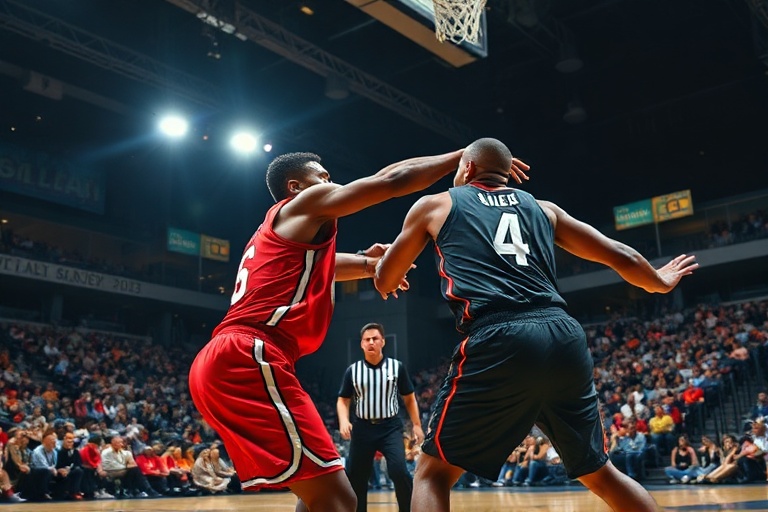
Flagrant Foul Rules Explained: When Aggression Crosses the Line
“`html
Flagrant Foul: The Gray Area Between Rough Play and Intentional Harm
The flagrant foul stands as one of the most debated rulings in competitive sports, straddling the line between aggressive defense and outright recklessness. Unlike routine fouls, which are expected in high-energy contests, a flagrant foul signals a violation so severe that it risks player safety or demonstrates disregard for the rules. Officials and leagues face constant pressure to interpret these calls consistently, especially as the physical demands of modern athletics push athletes to their limits.
While the term is most commonly associated with basketball, other sports like football and hockey also employ similar penalties to deter dangerous behavior. The consequences of a flagrant foul extend beyond immediate penalties—they can alter game momentum, influence officiating in subsequent plays, and even lead to suspensions depending on the league’s disciplinary policies. Understanding what constitutes a flagrant foul requires examining both the letter of the rules and the unwritten expectations of sportsmanship.
How Leagues Define a Flagrant Foul
Each major sports league outlines its own criteria for flagrant fouls, though the core principle remains consistent: unnecessary or excessive contact that endangers players. In the NBA, Rule 12 of the Official Playing Rules describes flagrant fouls as those involving “unnecessary contact” or “excessive contact beyond the scope of normal basketball play.” The league distinguishes between Flagrant Foul 1 (FF1) and Flagrant Foul 2 (FF2), with the latter resulting in immediate ejection and potential fines or suspensions.
The NFL uses the term “unnecessary roughness” to describe flagrant fouls, targeting hits that occur after the ball is dead or involve blows to defenseless players like quarterbacks or receivers. These calls often spark controversy, as officiating standards can vary based on the perceived intent behind the hit. Similarly, the NHL’s “major penalty” for boarding, charging, or fighting deemed dangerous can result in ejections and suspensions, reflecting a commitment to player safety amid a traditionally physical sport.
The enforcement of these rules has evolved alongside changes in player safety protocols. For example, the NBA introduced stricter guidelines in 2019 to address “load management” concerns and reduce injuries from reckless plays. This shift highlighted how leagues balance entertainment value with athlete welfare, often prompting rule adjustments in response to public scrutiny or high-profile incidents.
Key Differences Across Sports
While the intent behind flagrant fouls is uniform, the execution varies significantly by sport:
- Basketball: Focuses on contact that is unnecessary, excessive, or could cause injury. Examples include shoving, striking, or dangerous drives to the basket.
- Football: Targets hits on defenseless players or blows delivered after the play has ended. The NFL’s “defenseless player” rule specifically protects receivers and kick returners.
- Hockey: Penalizes boarding, charging, and hits from behind that endanger players near the boards or in open ice.
- Soccer: While not called “flagrant fouls,” reckless tackles or violent conduct can result in red cards and suspensions under FIFA’s disciplinary code.
These distinctions reflect the unique physical demands and traditions of each sport. In basketball, where speed and agility dominate, officials must differentiate between hard-nosed defense and gratuitous aggression. Football, with its high-impact collisions, prioritizes protecting players in vulnerable positions. Hockey’s icy battleground amplifies the risks of reckless plays, necessitating swift penalties to deter dangerous behavior.
The Controversy Surrounding Subjectivity
Few officiating decisions spark as much debate as flagrant foul calls—or the lack thereof. The subjectivity inherent in these rulings often leads to accusations of inconsistency, with fans, players, and analysts questioning whether certain plays warrant harsher penalties. For instance, a hard foul in the NBA might be deemed flagrant in one game but overlooked in another, fueling perceptions of bias or incompetence.
Technology has attempted to mitigate these issues. The NBA’s implementation of replay centers and expanded review protocols has improved the accuracy of flagrant foul assessments, particularly in identifying whether contact was intentional. However, technology cannot eliminate human judgment entirely. Officials must still interpret the “intent” behind a play, a task complicated by split-second decisions and the fast pace of modern sports.
The NBA’s 2023-24 season saw renewed scrutiny over flagrant foul enforcement, particularly in playoff games where physicality intensifies. Critics argued that certain rough plays were downplayed to avoid disrupting the flow of high-stakes contests, while others contended that stricter enforcement would stifle the competitive spirit. This ongoing tension underscores the challenges leagues face in maintaining fairness without eroding the intensity that defines their sports.
Player reactions to flagrant foul calls further illustrate the divide. Some athletes, like LeBron James, have advocated for stricter enforcement to protect players, while others, such as Charles Barkley, argue that basketball has become “too soft” and that officiating overreach is killing the physical nature of the game. These perspectives highlight the cultural schism between traditional views of toughness and the modern emphasis on safety.
Impact Beyond the Game
The repercussions of a flagrant foul extend far beyond the final score. For players, a flagrant foul can lead to fines, suspensions, or a tarnished reputation. The NBA’s discipline policy, for example, uses a points system to determine suspensions, with two flagrant fouls in a season resulting in a one-game suspension and escalating penalties thereafter. This system aims to deter repeat offenders while allowing some leeway for isolated incidents.
Teams also feel the ripple effects of these calls. A crucial flagrant foul in the closing minutes of a game can swing momentum, leaving one side at a disadvantage. Coaches must adapt strategies on the fly, often substituting players or altering defensive schemes to avoid further penalties. In extreme cases, a single flagrant foul can derail a team’s playoff aspirations or cost them a championship.
The financial implications are another consideration. Players suspended for flagrant fouls lose salary, and teams may face reputational damage if their athletes are repeatedly flagged for dangerous plays. Sponsors and fans may also react negatively to a culture of recklessness, particularly in sports where player safety is a growing concern. Leagues are increasingly aware of these stakes, leading to more rigorous enforcement and education campaigns for players.
Public perception plays a significant role in shaping how leagues handle flagrant fouls. High-profile incidents, such as the 2022 NBA Finals collision between Jayson Tatum and Miles Turner, often go viral, amplifying calls for stricter penalties. Social media amplifies these debates, with fans and analysts dissecting plays frame-by-frame to determine whether justice was served. This scrutiny pressures leagues to not only enforce rules consistently but also justify their decisions transparently.
Looking Ahead: The Future of Flagrant Foul Enforcement
As sports continue to evolve, so too will the interpretation and enforcement of flagrant fouls. The NBA’s recent emphasis on player safety, including the introduction of the “Targeting” rule in 2023, signals a broader trend toward reducing unnecessary harm. Other leagues are likely to follow suit, particularly as medical research sheds more light on the long-term effects of concussions and other injuries.
Technology will also play a larger role in shaping these decisions. Expanded use of player tracking, high-definition replays, and AI-assisted officiating could reduce subjectivity in flagrant foul calls. However, these advancements raise questions about the human element of officiating. Will machines eventually replace referees, or will leagues prioritize preserving the integrity of human judgment?
The cultural shift toward prioritizing player health over traditional toughness may redefine what constitutes a flagrant foul. As athletes become more vocal about mental health and injury prevention, leagues will face increasing pressure to adapt. This could lead to a reclassification of certain plays or even the introduction of new penalties for behavior previously deemed acceptable.
Ultimately, the flagrant foul remains a symbol of the ongoing tension between competition and safety. Leagues must strike a balance between preserving the intensity that fans crave and protecting the athletes who make the games possible. As rules evolve and technology advances, the definition of a flagrant foul may continue to shift—but its purpose will remain unchanged: to draw a clear line between hard play and harm.
For more insights into sports officiating and its broader impact, explore our Sports and News categories. These sections dive deeper into the intersection of rules, technology, and culture in modern athletics.