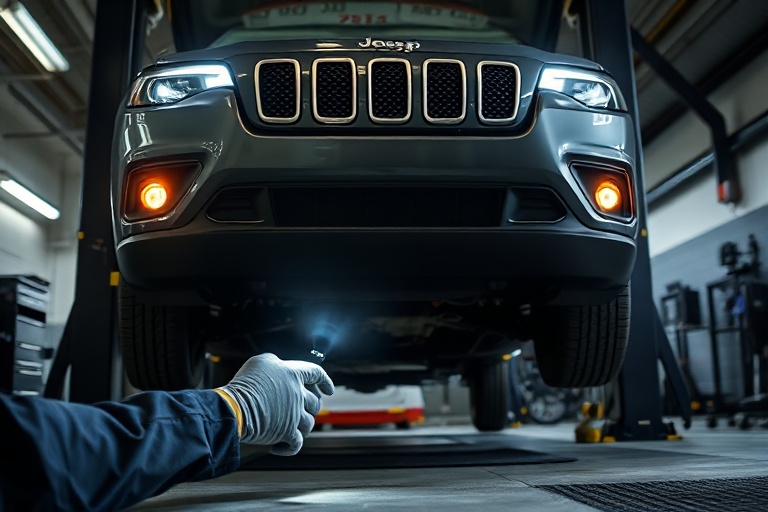
The Jeep Cherokee has long been a favorite among SUV enthusiasts for its off-road capability and family-friendly features. However, a persistent issue with the vehicle’s Power Transfer Unit (PTU) has led to a series of recalls affecting thousands of owners. The PTU, responsible for distributing power between the front and rear axles, has been prone to premature wear and failure, causing vibrations, unusual noises, and even complete breakdowns in some cases.
These problems often manifest after relatively low mileage, leaving many owners frustrated by unexpected repair costs. Jeep’s response to the issue has evolved over time, with multiple recall campaigns addressing different aspects of the PTU failure. For those who own or are considering purchasing a Jeep Cherokee, understanding the recall’s scope, affected models, and potential solutions is critical to making informed decisions.
Which Jeep Cherokee Models Are Affected?
The PTU recall primarily impacts Jeep Cherokee models produced between 2014 and 2020. This timeframe includes multiple model years that share the same platform and drivetrain components. Jeep has issued recalls covering specific VIN ranges within these years, though the exact cutoffs can vary depending on the recall campaign.
To determine if your vehicle is part of a recall, owners can use Jeep’s official recall lookup tool or contact a certified Jeep dealership. The company has also sent notification letters to affected owners, though some may have been lost in the mail or overlooked. Below is a breakdown of the most commonly affected model years and their corresponding recall campaigns:
- 2014-2016 Jeep Cherokee: Early recalls addressed excessive noise and vibration from the PTU, often attributed to insufficient lubrication or internal component wear.
- 2017-2019 Jeep Cherokee: Later recalls expanded to include models with updated PTU designs, though similar issues persisted due to manufacturing defects.
- 2020 Jeep Cherokee: Limited recalls were issued for early 2020 models, focusing on potential software updates to mitigate PTU stress during operation.
For a more detailed look at Jeep’s recall history, visit the Automotive section of Dave’s Locker, where we track manufacturer updates and industry trends.
Understanding the Root Causes of PTU Failure
The PTU’s role in the Cherokee’s drivetrain is straightforward: it ensures power is distributed appropriately between the front and rear wheels based on driving conditions. However, the unit’s design and manufacturing process have been points of contention among mechanics and owners alike. Several key factors contribute to the high failure rate observed in these vehicles:
- Inadequate Lubrication: Some early models were built with PTUs that lacked sufficient internal lubrication, leading to accelerated wear of gears and bearings.
- Defective Seals: Poorly manufactured seals allowed contaminants like water and debris to enter the PTU, corroding internal components and causing premature failure.
- Thermal Stress: The PTU operates under significant thermal stress, especially during towing or off-road use. Some units were not designed to handle these conditions, leading to overheating and component degradation.
- Manufacturing Defects: Reports from service technicians indicate that certain batches of PTUs were assembled with substandard materials or tolerances outside acceptable ranges.
Jeep has acknowledged some of these issues in its recall documentation, though the company has not publicly detailed every manufacturing defect. For owners experiencing persistent problems despite repairs, documenting symptoms and repair attempts may be necessary to escalate concerns with Jeep’s customer service or regulatory bodies.
What Should Owners Do If Affected?
If your Jeep Cherokee falls within the affected model years, the first step is to verify whether your vehicle is included in a recall. Jeep’s recall portal, accessible via their official website, requires only the VIN to check for open recalls. Owners who prefer in-person assistance can visit any authorized Jeep dealership, where technicians can inspect the PTU and perform necessary repairs at no cost.
Once a recall is confirmed, Jeep will typically cover the cost of parts and labor to replace or repair the faulty PTU. However, the process can vary depending on the dealership’s workload and the availability of replacement parts. Some owners have reported delays of several weeks for repairs, particularly in regions with high Jeep Cherokee populations. To minimize disruption, scheduling an appointment as soon as possible is advisable.
In cases where a recall campaign has been closed or the vehicle is no longer under warranty, owners may still have recourse. Jeep’s certified pre-owned (CPO) warranty or extended service plans could cover repairs, depending on the terms. Alternatively, some owners have pursued legal action or joined class-action lawsuits alleging that Jeep knowingly sold vehicles with defective PTUs. Consulting with an automotive attorney or lemon law specialist may provide additional avenues for resolution.
Long-Term Implications for Jeep Cherokee Owners
The PTU recall is more than a temporary inconvenience; it raises broader questions about Jeep’s quality control and commitment to customer satisfaction. While recalls are a standard part of the automotive industry, the frequency and severity of the Cherokee’s PTU issues have eroded trust among some owners. For those who rely on their vehicles for daily commuting or off-road adventures, the uncertainty of potential breakdowns adds unnecessary stress.
Resale values for affected Jeep Cherokees have also taken a hit, with some dealerships reporting lower trade-in offers or outright refusals to purchase these models. Prospective buyers should factor in the cost of potential repairs when negotiating prices, as ignoring a recall could lead to more expensive issues down the line. For current owners, maintaining detailed service records can help preserve the vehicle’s value and provide leverage in future transactions.
Jeep has made efforts to address the PTU problem, including software updates and revised manufacturing processes for newer models. However, the legacy of these recalls will likely linger for years, particularly among owners who have experienced firsthand the frustrations of a failing PTU. As the automotive industry shifts toward electrification, traditional drivetrain issues like the PTU failure may become less common, but for now, affected Jeep Cherokee owners must navigate these challenges with patience and diligence.
For further reading on automotive recalls and industry trends, explore Trending topics on Dave’s Locker, where we provide timely updates on the latest developments in the automotive world.