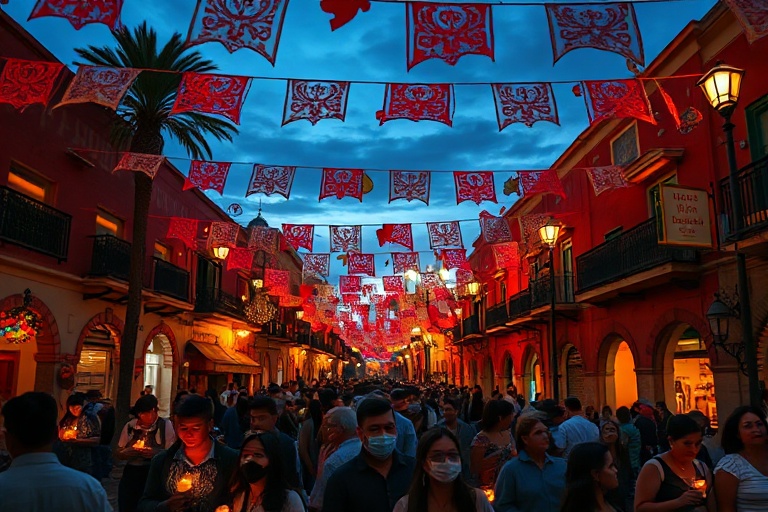
The concept of festividad transcends mere partying or cultural events. It embodies the collective human need to pause, reflect, and connect through joyous occasions. From religious processions to national holidays, festividades serve as the rhythmic heartbeat of societies worldwide. They are not just dates on a calendar but living traditions that evolve, adapt, and endure across generations.
The Anatomy of a Festividad
At its core, a festividad is more than a single day of celebration. It is a carefully constructed tapestry woven from historical significance, communal participation, and often, gastronomic indulgence. The structure of these events varies widely, but several key elements consistently emerge:
- Cultural Anchors: Most festividades are rooted in shared history or mythology. For example, Mexico’s Día de los Muertos honors ancestors with vibrant altars and marigolds, while Japan’s Hanami celebrates the fleeting beauty of cherry blossoms.
- Rituals and Routines: Repetitive actions—whether lighting candles, parading through streets, or exchanging gifts—create a sense of continuity. The predictability of these rituals provides comfort amid life’s chaos.
- Sensory Overload: Festividades engage all five senses. The smell of roasting chestnuts at a Christmas market, the rhythm of drums in a samba parade, or the texture of handmade papel picado in Mexico City all heighten the experience.
- Economic Ripples: These events drive tourism, support local artisans, and boost seasonal industries. In Venice, Carnevale generates millions annually, while India’s Diwali fuels a surge in gold sales and fireworks manufacturing.
Why Festividades Matter in a Fragmented World
In an era marked by digital isolation and political polarization, festividades offer a rare opportunity for unity. They force strangers to become temporary allies, if only for a day. Consider the unifying power of:
- Shared Vulnerability: Events like New Orleans’ Mardi Gras or Spain’s La Tomatina create controlled chaos where social norms temporarily dissolve. Participants laugh, stumble, and connect in ways they wouldn’t in everyday life.
- Nostalgia as Currency: Festividades often tap into collective memory. The song “Auld Lang Syne” sung at midnight on New Year’s Eve isn’t just a tune; it’s a time machine that transports people to childhood memories of midnight kisses and fireworks.
- Soft Diplomacy: International festividades can bridge cultural divides. The Edinburgh Festival Fringe, the world’s largest arts festival, attracts performers and audiences from over 100 countries, fostering dialogue through shared creativity.
Yet, this unity is not without tension. The commercialization of festividades—think Black Friday’s encroachment on Thanksgiving or the rise of “experience economy” travel—often dilutes their original purpose. When a local festival’s entry fee triples because Instagram influencers have branded it “insta-worthy,” the soul of the event risks being lost.
The Double-Edged Sword of Globalization
Globalization has accelerated the spread of festividades, but it has also sparked debates about cultural appropriation and authenticity. Consider the global phenomenon of Oktoberfest, which originated in Munich but now features in cities from Brisbane to Buenos Aires. While this export creates economic opportunities, it also raises questions:
- Who Owns Tradition? When a non-German brewery in Tokyo sells “Oktoberfest” beer brewed with local ingredients, is it honoring Bavarian culture or exploiting it?
- Homogenization vs. Hybridization: Festividades like Halloween, originally an Irish harvest festival, have morphed into a global consumer event. In some places, this leads to cultural erosion; in others, it sparks creative fusion. In Mexico, Día de los Muertos skulls now share shelf space with Halloween costumes, creating a hybrid tradition unique to the 21st century.
- Accessibility and Exclusion: As festividades become global, they risk becoming exclusive. A ticket to Rio’s Carnival can cost thousands, pricing out locals who once participated freely. Meanwhile, digital festividades—like virtual Diwali celebrations during the pandemic—excluded those without internet access.
The key lies in balance. Festividades must adapt to survive, but adaptation should not mean erasure. Indigenous communities in Canada, for example, have successfully revived traditional powwows by blending them with modern elements like livestreaming, ensuring their culture remains vibrant without being diluted.
Looking Ahead: The Future of Festividad
As climate change and political instability reshape the world, the role of festividades is evolving. Three trends are likely to define their future:
- Sustainable Celebrations: With environmental consciousness on the rise, festividades are going green. Sweden’s Midsommar now features plant-based feasts, while Bali’s Nyepi (Day of Silence) encourages a digital detox to reduce carbon footprints.
- Hyper-Localism: In contrast to globalization’s homogenizing effects, many communities are doubling down on hyper-local festividades. In Italy, the Festa della Rificolona—a lantern festival in Florence—remains a low-key, neighborhood affair, resisting tourist hordes.
- Digital and Hybrid Models: The pandemic proved that festividades can thrive beyond physical spaces. Virtual Diwali celebrations in 2020 united diaspora communities worldwide, while augmented reality (AR) is now being used to enhance traditional festivals. For example, AR filters overlay historical scenes onto modern-day parades in Edinburgh.
Yet, technology also threatens to commodify festividades further. The rise of “festividad influencers” who monetize participation—think influencers selling access to private Diwali dinners or influencer-guided tours of Venice’s Carnevale—risks turning celebration into content. The challenge will be preserving the spontaneity and sincerity that make festividades meaningful.
A Call to Preserve the Spirit of Festividad
Festividades are more than just parties; they are the glue that holds communities together. They remind us of our shared humanity, our creativity, and our resilience. As we move forward, it is crucial to approach these celebrations with respect—for their origins, their participants, and their purpose.
Whether you’re dancing in the streets of Salvador during Carnival or lighting a candle during Diwali, the act of celebrating is a radical one. It defies cynicism, fosters connection, and keeps traditions alive. In a world that often feels divided, festividades offer a glimmer of hope—a reminder that joy, when shared, is a universal language.
So the next time you attend a festividad, whether grand or humble, take a moment to appreciate its depth. Ask yourself: What stories does this celebration tell? Who is included, and who might be left out? How can I honor its spirit without exploiting it?
The best festividades are not just remembered; they are lived. And in living them, we keep the pulse of our humanity beating strong.
For more on cultural celebrations and their impact, explore our Culture and Travel categories.