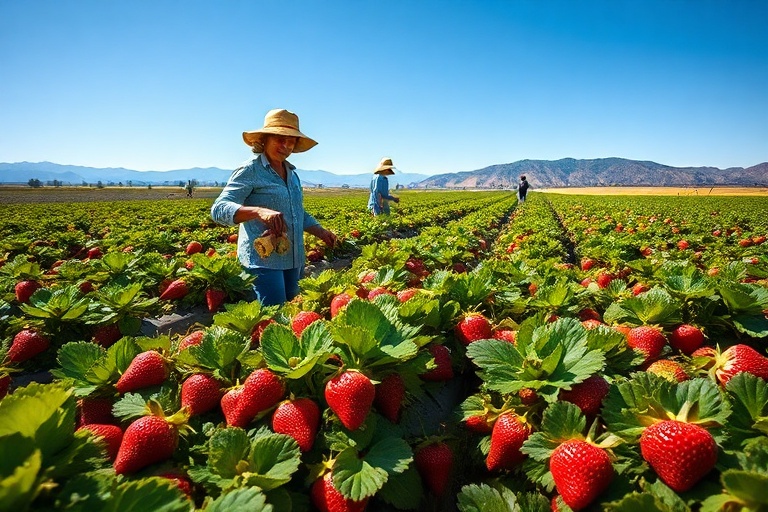
Latest News on Driscoll Strawberries: Sustainability and Challenges
Recent Developments in Driscoll Strawberries
Driscoll strawberries have long been a staple in the fruit market, known for their sweetness and quality. Recent news surrounding the company has brought attention to various aspects of its operations, including sustainability efforts, market expansion, and challenges faced in the agricultural sector. These updates not only impact consumers but also reflect broader trends in the agricultural industry.
Sustainability Initiatives
As consumers become increasingly conscious of environmental issues, Driscoll has taken steps to enhance its sustainability practices. The company has committed to reducing its carbon footprint and improving water management in its farming processes. Key initiatives include:
- Implementing advanced irrigation systems to conserve water.
- Utilizing renewable energy sources in production facilities.
- Investing in organic farming practices to reduce chemical use.
These initiatives are not merely a response to consumer demand; they also align with global efforts to combat climate change. By prioritizing sustainability, Driscoll aims to set a benchmark in the agricultural sector, influencing competitors to adopt similar practices.
Market Expansion and New Varieties
In addition to sustainability, Driscoll is actively exploring market expansion. The company has introduced new strawberry varieties that cater to different consumer preferences, such as flavor profile and size. This strategy is designed to capture a larger market share and meet the diverse demands of consumers.
Driscoll’s new varieties are often developed through extensive research and development, ensuring they maintain the quality that the brand is known for. The focus on innovation is evident in their recent collaborations with agricultural research institutions. These partnerships aim to enhance breeding techniques and develop more resilient plants.
Challenges in the Agricultural Sector
Despite its successes, Driscoll faces significant challenges, particularly regarding labor shortages and fluctuating market conditions. The agricultural industry has been grappling with a shortage of workers, which impacts the harvesting of strawberries. This situation has led to increased labor costs and concerns about meeting consumer demand.
Moreover, economic factors such as inflation and supply chain disruptions have affected pricing and availability. Driscoll must navigate these challenges carefully to maintain its market position. The company is exploring automation solutions to mitigate labor issues, although this transition may take time and investment.
Consumer Response and Future Outlook
Consumer response to Driscoll’s initiatives and products has generally been positive. The emphasis on sustainability resonates with a growing demographic that prioritizes ethical consumption. As more consumers seek out products that align with their values, Driscoll’s commitment to environmental stewardship could enhance brand loyalty.
Looking ahead, the future of Driscoll strawberries appears promising, provided the company can adapt to ongoing challenges. By continuing to innovate and prioritize sustainability, Driscoll can strengthen its position in the market. The agricultural sector is evolving, and companies like Driscoll must remain agile to thrive.
For more information on food trends and sustainable practices, visit our Food and News sections.